


 Crypto.
 Sobre
Sobre
 Passport
 Conference call
 send money
 Termos
 Privacidade
 Sierra market
Invisalign vs Braces: Which Is Right for You?
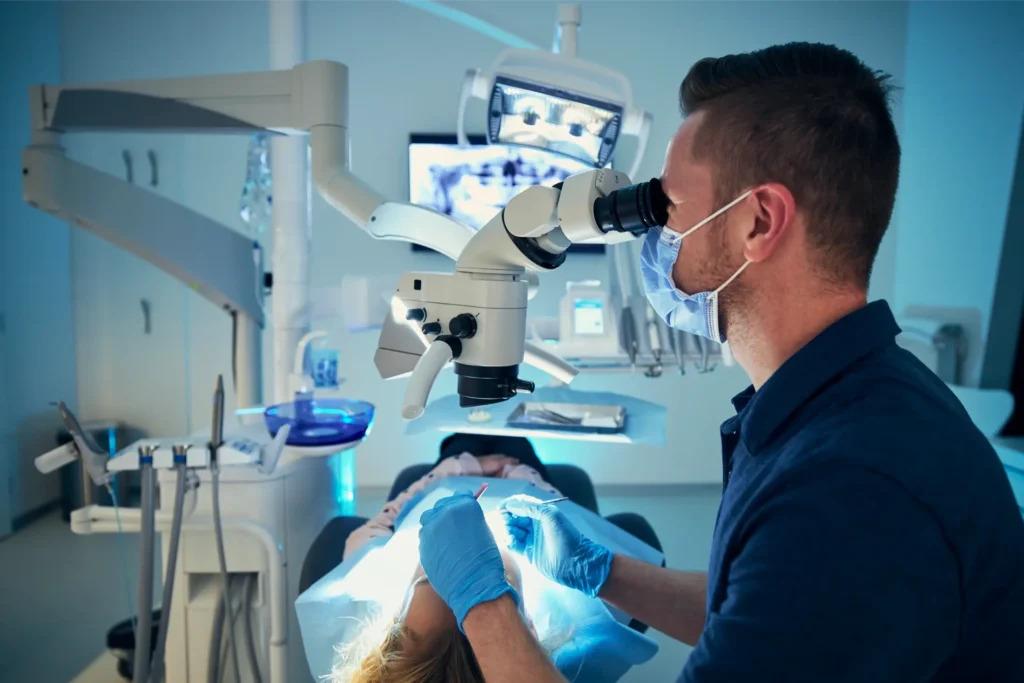
A straighter smile can improve more than just your appearance it can also make teeth easier to clean, improve your bite, and support long-term oral health. If you're considering orthodontic treatment, one of the biggest decisions you'll face is whether to choose Invisalign® or traditional fixed braces.
Both options are highly effective, but they work differently and suit different lifestyles, treatment needs, and personal preferences. Understanding the advantages of each can help you make an informed decision with guidance from your dentist or orthodontist.
How Does Invisalign Work?
Invisalign uses a series of custom-made, clear plastic aligners to gradually move your teeth into their planned positions. Each aligner is worn for around one to two weeks before progressing to the next in the series.
Patients considering Invisalign Bristol often appreciate that the aligners are virtually invisible and can be removed for eating, brushing, and flossing.
Invisalign may be suitable for treating:
-
Crowded teeth
-
Gaps between teeth
-
Mild to moderate bite issues
-
Relapse following previous orthodontic treatment
Success depends on wearing the aligners for the recommended number of hours each day.
How Do Fixed Braces Work?
Traditional braces use brackets attached to the teeth and connected by wires that are adjusted periodically to guide teeth into better alignment.
Because they remain fixed in place, braces work continuously without relying on patient compliance beyond maintaining good oral hygiene and attending appointments.
Fixed braces are commonly used to treat:
-
Moderate to complex crowding
-
Significant bite problems
-
Rotated teeth
-
More complex orthodontic cases
Invisalign vs Braces: Key Differences
Appearance
One of Invisalign's biggest advantages is its discreet appearance. The clear aligners are difficult to notice, making them popular with adults and older teenagers.
Braces are more visible, although modern brackets are generally smaller and less noticeable than in the past.
Comfort
Both treatments require an adjustment period as teeth begin to move.
Invisalign aligners have smooth edges that may reduce irritation to the cheeks and lips. Fixed braces can sometimes cause temporary rubbing after adjustments, although orthodontic wax often helps.
Eating and Drinking
With Invisalign, aligners are removed before eating and drinking anything other than water, allowing you to continue enjoying your usual diet.
Fixed braces require patients to avoid certain hard, sticky, or chewy foods that could damage brackets or wires.
Oral Hygiene
Keeping teeth clean is essential during orthodontic treatment.
Because Invisalign aligners are removable, brushing and flossing can usually continue as normal.
Braces require extra care around brackets and wires to prevent plaque build-up and reduce the risk of tooth decay or gum problems.
Treatment Time
Treatment length varies according to the complexity of each case rather than the appliance itself.
Some patients complete treatment within several months, while more complex cases may take considerably longer. Your dentist will provide an individual estimate following assessment.
Which Treatment Is More Effective?
Both Invisalign and braces can achieve excellent results when used appropriately.
Invisalign is highly effective for many orthodontic problems, while fixed braces may be recommended for more complex tooth movements or significant bite correction.
Patients exploring teeth straightening Bristol should remember that the best treatment depends on their individual dental needs rather than personal preference alone.
What Happens During an Orthodontic Consultation?
A comprehensive consultation helps determine which treatment is most suitable.
Your appointment may include:
-
Examination of your teeth and bite
-
Digital photographs
-
Digital scans or impressions
-
X-rays where appropriate
-
Discussion of treatment goals
-
Personalised treatment recommendations
Digital treatment planning allows your clinician to carefully map out tooth movements before treatment begins.
Retainers: Protecting Your New Smile
Once active orthodontic treatment is complete, retainers help maintain the new position of your teeth.
Without retainers, teeth naturally tend to move over time.
Your dentist will advise:
-
Which type of retainer is appropriate
-
How often it should be worn
-
How to clean and maintain it
-
When replacement may be required
Wearing retainers as instructed is one of the most important parts of successful long-term treatment.
Tips for Successful Orthodontic Treatment
Whichever option you choose, these habits can support the best possible outcome:
-
Brush twice daily with fluoride toothpaste.
-
Clean between your teeth every day.
-
Attend all scheduled appointments.
-
Follow your clinician's instructions carefully.
-
Wear aligners or retainers exactly as advised.
-
Limit sugary snacks and drinks to protect your teeth.
Good oral hygiene helps minimise the risk of decay and gum disease throughout treatment.
Frequently Asked Questions
Is Invisalign better than braces?
Neither treatment is universally better. The right option depends on your orthodontic needs, lifestyle, and ability to follow the treatment plan.
Can Invisalign treat complex cases?
Many cases can be treated successfully with Invisalign, although some complex orthodontic problems may be better suited to fixed braces. A professional assessment is essential.
Do braces work faster than Invisalign?
Treatment time depends on the complexity of the case rather than the appliance itself.
Will orthodontic treatment hurt?
Some temporary tenderness is common after adjustments or when changing aligners, but this usually settles within a few days.
How do I know which treatment is right for me?
Booking a consultation with an experienced orthodontist Bristol allows your teeth, bite, and smile goals to be assessed before recommending the most appropriate treatment.
Final Thoughts
Both Invisalign and traditional braces are effective ways to achieve a healthier, straighter smile. Invisalign offers a discreet and removable option that suits many adults and teenagers, while fixed braces remain an excellent choice for more complex orthodontic cases. The most suitable treatment depends on your individual dental needs, lifestyle, and treatment goals rather than one option being universally better than the other.
At BristolDent Harbourside, every orthodontic journey begins with a personalised assessment using modern digital technology and evidence-based treatment planning. If you're considering orthodontic treatment, booking a consultation is the best way to explore your options, understand what to expect, and receive expert advice tailored to your smile.
Bub
Do?

Categorias
Leia Mais
A recent academic investigation exposes concealed ties among numerous popular VPN applications, revealing shared technical foundations despite their separate branding. These interconnected apps exhibit similar security vulnerabilities, potentially compromising the safety of hundreds of millions of users worldwide. Hidden ownership links to entities in Russia and China have been identified...

The acupuncture market is no longer confined to niche wellness clinics—it has become an increasingly accepted part of global healthcare and pain‑management strategies. Rooted in traditional Chinese medicine, acupuncture is now used to treat chronic pain, stress‑related conditions, and even certain neurological and women’s‑health issues. The Acupuncture Market is expanding...
Tempête et stratégies L’affliction lunaire déchaîne les rafales Lorsqu’un ennemi subit une réaction de Dispersion, une marque de tranchante brise s’accumule. À quatre marques, une explosion de vent frappe la cible, consommant les cumuls. Une rafale peut surgir toutes les six secondes, Et les marques se forment à un rythme...
When it comes to investing in heavy machinery, tractors, lawn mowers, or any essential equipment for your farm, property, or business, the upfront cost can be significant. But what if there was a way to get the Equipment Financing Made Simple you need now, without having to wait or stretch your budget? That’s where equipment financing comes in making it easier and more affordable...

Online gaming platforms often face a series of problematic terms that signal trouble ahead. Words like "outage," "missing," and "unexpected" tend to spell trouble, especially when combined, indicating escalating issues. Recently, players of Guild Wars 2 experienced this firsthand following an unexpected service disruption that led to many losing access to their in-game items. The situation...
