Crypto.
 Sobre
Sobre
 Passport
 Conference call
 send money
 Termos
 Privacidade
 Sierra market
NP-Con-102 Certification Guide: Master Salesforce Agentforce Nonprofit Consultant Skills and Prepare for Exam Success
Nonprofit organizations rarely have simple data requirements. A single person may be a donor, volunteer, program participant, household member, and grant-related contact at the same time. Meanwhile, fundraising teams need gift information, program teams track services and outcomes, and leadership wants a clear picture of the organization's impact.
That complexity is what makes nonprofit consulting different from ordinary CRM administration. Salesforce's current certification guide describes the Agentforce Nonprofit Consultant as a professional who designs and implements scalable, maintainable solutions for nonprofit organizations and understands how Agentforce Nonprofit interacts with the wider Salesforce ecosystem.
What the Agentforce Nonprofit Consultant Really Does
For professionals preparing for NP-Con-102, the goal should be to understand business problems before thinking about configuration. Salesforce expects candidates to have nonprofit domain knowledge, implementation experience, data-management skills, problem-solving ability, and an understanding of the Salesforce Platform. The official guide recommends roughly two to five years of Salesforce experience in a nonprofit context.
Imagine a nonprofit that receives donations, provides community programs, manages grants, and supports people through case-related services. The organization does not want four disconnected databases. It wants one dependable picture of each stakeholder and the organization's interaction with that person.
The consultant has to turn that requirement into a practical solution.
Start With Nonprofit Implementation Strategy
Understand the Organization's Mission
The current exam gives 11% of its content to Nonprofit Implementation Strategy. Candidates are expected to understand common nonprofit requirements, strategies, business processes, project management, vision and value maps, and business value.
That means technical knowledge alone is not enough.
Suppose a nonprofit wants to reduce the time staff spend entering donation information. A consultant should first understand where the existing delays occur. Are gifts coming from several systems? Are employees manually reconciling records? Are duplicate constituent records common?
Only after understanding the problem should the consultant recommend a solution.
Manage Stakeholder Expectations
Nonprofit projects often involve executives, fundraising teams, program managers, finance staff, case workers, and volunteers. Their priorities can conflict.
A fundraising manager might want detailed donor information. A program manager may prioritize participant history. Finance needs reliable financial information.
A successful consultant finds the common ground and converts those needs into clear requirements.
Solution Design Is the Largest Domain
Salesforce's current exam guide assigns 32% to Solution Design, making it one of the most heavily weighted areas. This domain covers selecting appropriate Agentforce Nonprofit, Salesforce Platform, and third-party capabilities, aligning business processes with the data model, and determining when Industries Common Features should be used.
Choose the Simplest Appropriate Architecture
Consultants can easily over-engineer a Salesforce environment.
More objects, more automation, and more integrations do not automatically produce a better implementation. The solution should satisfy the requirement while remaining understandable and maintainable.
For example, Salesforce identifies technologies such as OmniStudio, Data Processing Engine, Action Plans, and Dynamic Assessments as Industries Common Features that may be appropriate in specific nonprofit scenarios.
The real question is not, “Can this feature do it?”
It is, “Is this the right tool for this requirement?”
|
Business Need |
Design Consideration |
|
Stakeholder relationships |
Data model and relationship structures |
|
Fundraising |
Gifts, commitments, acknowledgements |
|
Programs |
Participant and service management |
|
Case work |
Case and interaction processes |
|
Outcomes |
Goals, measures, and results |
|
Grantmaking |
Grant lifecycle and grantmaking sites |
|
Automation |
Flow, Data Processing Engine, or other appropriate tools |
Stakeholder Management and Data Modeling
Build a Clear View of People and Relationships
Nonprofit data is relationship-heavy.
A person can belong to a household, work for an organization, donate to a campaign, participate in a program, and volunteer at an event. Salesforce's current Agentforce Nonprofit setup objectives specifically include person accounts, relationship objects, and address management.
This is an area where poor design can create problems for years.
If relationships are modeled incorrectly, reports become unreliable and users may have to maintain duplicate information manually.
A consultant should therefore understand the difference between an individual stakeholder and the relationships surrounding that stakeholder.
Data Quality Comes First
Imagine importing five years of donor information into a new system. If the source contains duplicates, incomplete addresses, inconsistent names, and conflicting contact details, simply importing everything faster will not solve the underlying problem.
Good implementation includes data cleansing, mapping, validation, and migration planning.
Fundraising Management Requires Attention to Detail
Fundraising is a major part of the Agentforce Nonprofit feature configuration domain, which Salesforce currently weights at 35% overall. The exam guide specifically identifies Gift Entry, Gift Commitments, Outreach Source Codes, Soft Credits, and Gift Acknowledgements as areas candidates should understand.
Understand the Donor Journey
Consider a donor who makes a recurring contribution, later attends a fundraising event, and introduces another supporter to the organization.
A basic transaction table cannot tell the whole story.
The implementation should help the organization understand the relationship between the stakeholder, gifts, campaigns, acknowledgements, and engagement activities.
This is why concepts such as soft credits can matter. A person may influence a donation without being the person who actually submits the payment.
Business context matters.
Program and Case Management
Fundraising may bring money into an organization, but programs deliver its mission.
Salesforce's current exam objectives include Program Management, Case Management, and Outcome Management. The guide also calls out Action Plans, Care Plans, and Interaction Summaries.
Track Services and Outcomes
Suppose a nonprofit runs a job-training program. Recording only that someone attended tells management very little.
The organization may want to know whether the participant completed the program, received services, achieved a particular milestone, or progressed toward a defined outcome.
That distinction is important:
Activity is not the same as impact.
A consultant should help organizations structure data so they can measure both.
Grantmaking and the Funding Lifecycle
Grantmaking adds another layer to nonprofit operations.
A funding organization may need to manage applications, review processes, awards, requirements, payments, and post-award activities. Salesforce's current exam objectives specifically include Grantmaking Sites and capabilities supporting the grantmaking lifecycle.
A useful study exercise is to imagine a nonprofit receiving applications from several organizations. Ask how each stage should be represented and which information must remain available when the grant moves from application to award and eventually to post-award management.
Following that lifecycle makes the concepts easier to remember.
Setup, Permissions, and Administration
The current exam allocates 22% to Agentforce Nonprofit Setup. This includes enabling features, assigning permission sets and permission set licenses, and configuring stakeholder-management capabilities.
Security should never be an afterthought.
A volunteer coordinator may need access to volunteer information but not sensitive fundraising records. A grant manager may need application and award information but not unrestricted access to case data.
The consultant should design access around responsibilities.
Test Security From the User's Perspective
Do not test only whether an administrator can perform an action.
Create test users representing different roles and confirm what each person can see and modify.
That simple exercise often reveals issues that configuration inspection alone misses.
Testing, Adoption, and Troubleshooting
A Salesforce implementation can technically work and still fail organizationally.
If employees find the system cumbersome, they may avoid entering information. Over time, reports become incomplete and the organization loses trust in its own data.
Testing should therefore include:
-
Functional testing: Confirm that business processes work as designed from beginning to end.
-
Data testing: Verify that migrated and newly created records contain accurate information.
-
Security testing: Confirm that users have appropriate access based on their responsibilities.
-
User acceptance testing: Let real users perform realistic tasks before the solution is considered ready.
Salesforce explicitly recommends a combination of hands-on experience, training, Trailhead resources, and self-study for this certification.
A Practical Study Plan
Salesforce's official preparation Trailmix includes material covering nonprofit implementation strategy, stakeholder management, fundraising, program and case management, outcome management, grantmaking, setup, and Industries Common Features.
A focused preparation plan can look like this:
|
Study Stage |
Main Focus |
|
Foundation |
Nonprofit processes and terminology |
|
Data |
Stakeholders, relationships, and data quality |
|
Design |
Architecture and feature selection |
|
Fundraising |
Gifts, commitments, credits, acknowledgements |
|
Programs |
Services, cases, and outcomes |
|
Grantmaking |
Applications, awards, and lifecycle |
|
Setup |
Permissions and configuration |
|
Scenario practice |
End-to-end consulting decisions |
Do not study each feature as an isolated chapter. Build a fictional nonprofit and make it your case study.
Give the organization donors, volunteers, programs, grants, cases, and outcome targets. Then decide what the data model should look like, who should access which information, and how the organization should measure success.
That exercise is much closer to consulting work.
Connecting This Certification With Broader Salesforce Skills
Professionals who also study Plat-Con-201 should recognize that both certifications involve solution thinking, but their contexts differ. The nonprofit consultant credential focuses specifically on Agentforce Nonprofit and nonprofit business processes, while broader platform consulting involves designing solutions around Salesforce capabilities more generally.
Keeping those objectives distinct helps prevent preparation from becoming a blur of similar-looking configuration concepts.
Exam Format and Current Requirements
Salesforce's official exam guide currently lists 60 multiple-choice questions plus up to five unscored questions, with 105 minutes available. The listed passing score is 65%, and the prerequisite is the Salesforce Certified Administrator credential.
The exam objectives are weighted as follows:
|
Domain |
Weight |
|
Nonprofit Implementation Strategy |
11% |
|
Solution Design |
32% |
|
Agentforce Nonprofit Setup |
22% |
|
Agentforce Nonprofit Feature Configuration |
35% |
These percentages provide a useful study signal. Solution Design and Feature Configuration together account for 67% of the published exam content, so candidates should spend substantial time on them.
Final Thoughts
The strongest nonprofit consultants understand that technology is only useful when it supports the mission.
A donor record is not just a record. It represents a relationship. A program enrollment is not merely another transaction. It represents an attempt to create change. A grant is not simply a financial object; it is part of a longer funding relationship.
That perspective makes Salesforce implementation more meaningful.
For candidates preparing for NP-Con-102, the best strategy is to study the platform through realistic nonprofit scenarios. Start with the organization's goals, understand its people and processes, choose the appropriate capabilities, build clean data structures, protect sensitive information, and test the complete experience.
Salesforce's current certification framework reflects that approach by emphasizing implementation strategy, solution design, setup, and feature configuration.
The goal is not merely to know Salesforce.
It is to know how Salesforce should serve a nonprofit.
Frequently Asked Questions
What is the NP-Con-102 certification?
NP-Con-102 is associated with the Salesforce Certified Agentforce Nonprofit Consultant credential. Salesforce describes certified professionals as consultants who design and implement scalable, maintainable Agentforce Nonprofit solutions that meet nonprofit business requirements.
What topics are covered in the Agentforce Nonprofit Consultant exam?
The current exam covers Nonprofit Implementation Strategy, Solution Design, Agentforce Nonprofit Setup, and Agentforce Nonprofit Feature Configuration. Feature areas include stakeholder management, fundraising, program and case management, outcome management, and grantmaking.
What is the prerequisite for the Agentforce Nonprofit Consultant certification?
Salesforce's current exam guide lists the Salesforce Certified Administrator certification as the prerequisite.
How should I prepare for NP-Con-102?
Use Salesforce's official exam guide and Trailhead preparation resources, then practice realistic nonprofit scenarios. Pay particular attention to solution design, fundraising, program management, data modeling, permissions, grantmaking, and the relationships between Salesforce products. Salesforce recommends combining hands-on experience, training, Trailhead, and self-study.
Bub
Do?

Categorias
Leia mais
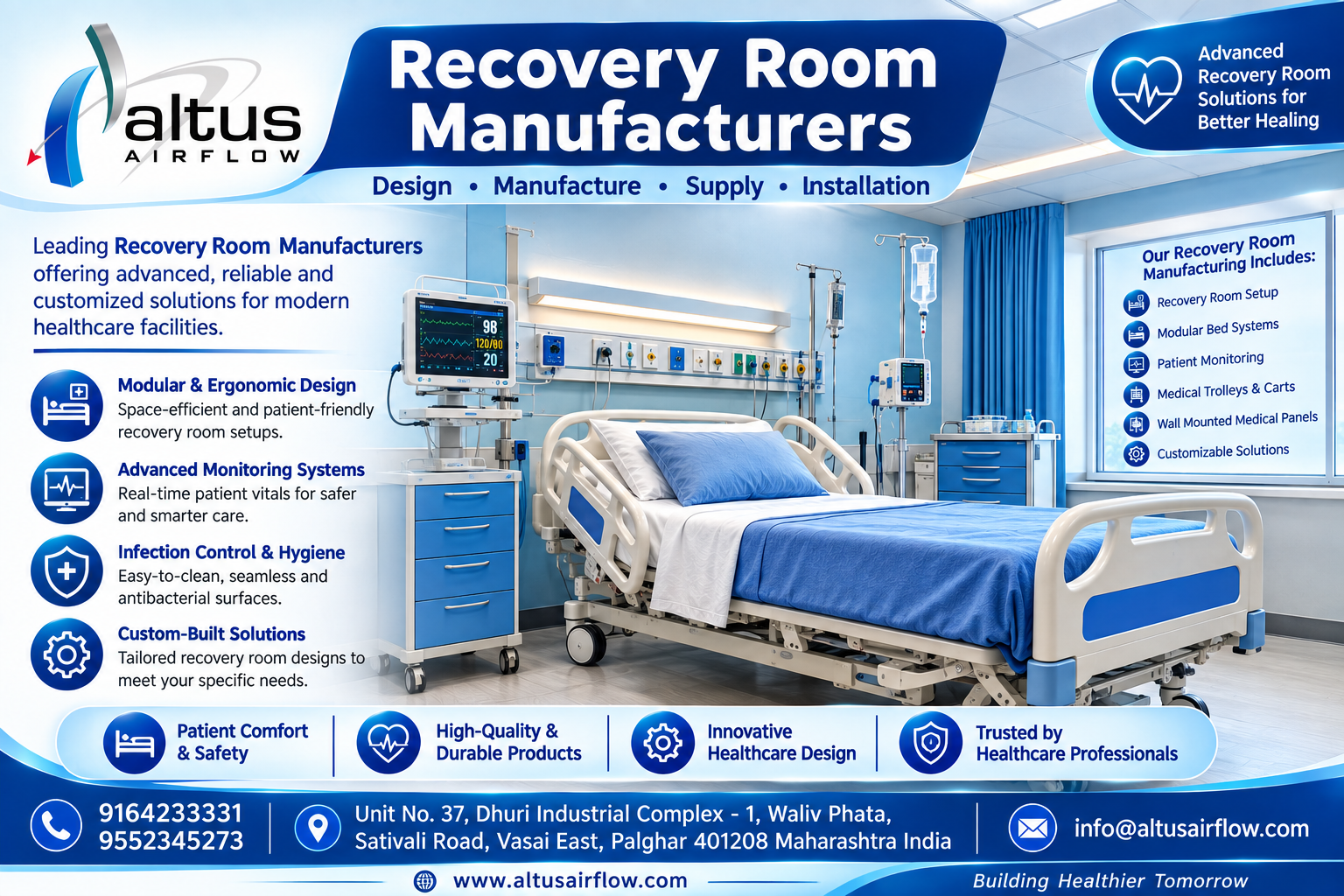
Introduction Choosing experienced Recovery Room Manufacturers is important for hospitals developing safe and efficient post-operative care areas. A recovery room should provide sufficient space for patient observation, staff movement, equipment access, privacy, emergency support, and organized workflow. Proper planning also helps ensure that essential equipment can be...
A recent developer discussion turned community whispers into direct dialogue confirming a quiet adjustment to a popular weapon's performance. This open acknowledgment shifted the narrative transforming player speculation into a clear developer rationale. The intention behind the change was explained aiming to preserve diverse combat roles and loadout choices. For many, the core gameplay rhythm...

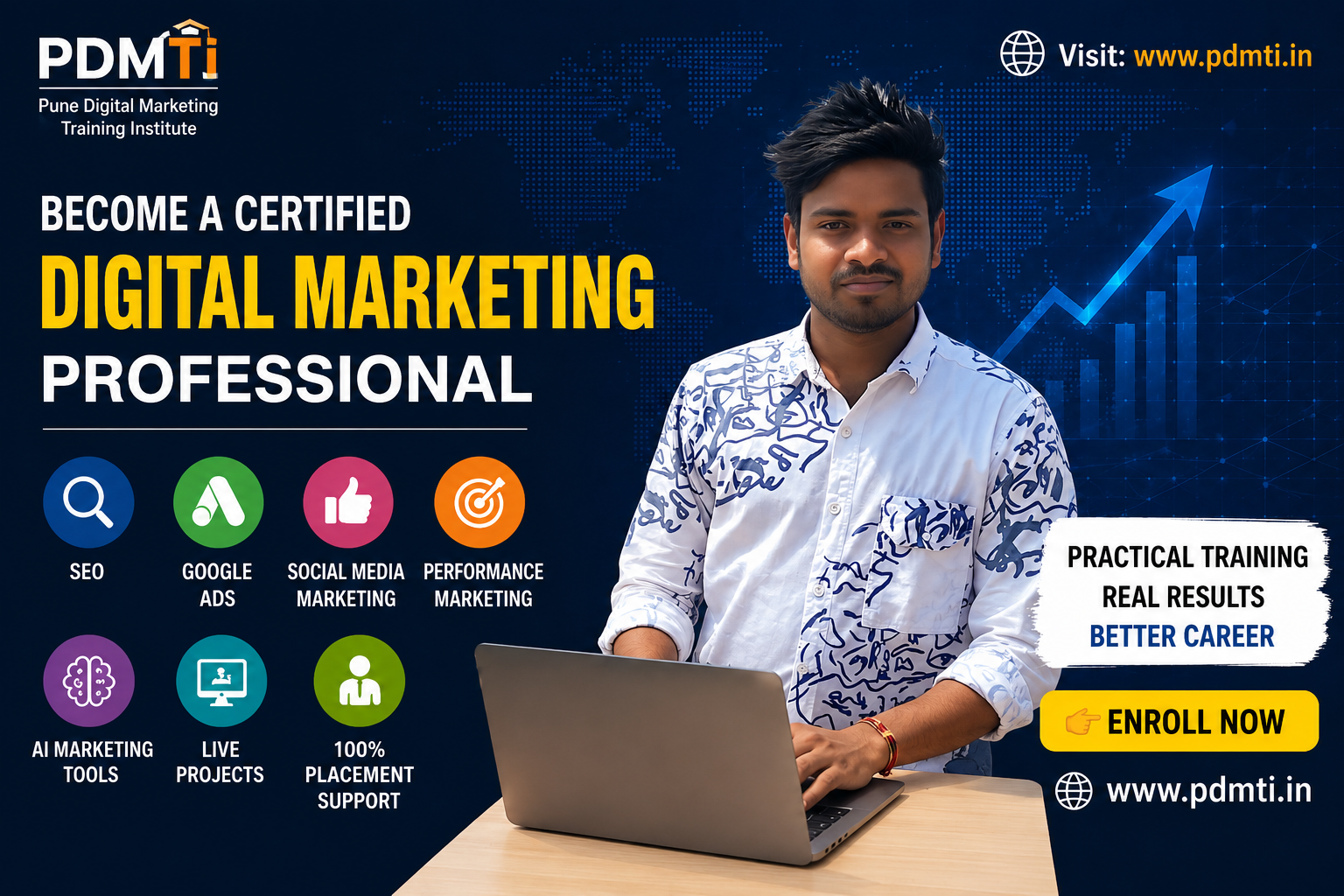
Digital Marketing Classes: Launch Your Career with Practical, Industry-Focused Training Introduction The digital landscape is transforming businesses across every industry. Whether it's attracting customers through Google Search, building brand awareness on social media, or generating leads through email campaigns, digital marketing has become a vital business function. As companies continue...
Major Update for Arc Raiders April 28 marks a major update for Arc Raiders — Embark dropped a massive patch that feels like the biggest single content injection since launch. Expect a coastal map, a hovering ARC foe that hasn’t been figured out yet, a new “beachcombing” map mechanic that forces you to scour the sand for buried items, fresh fall armor, a month-long event,...
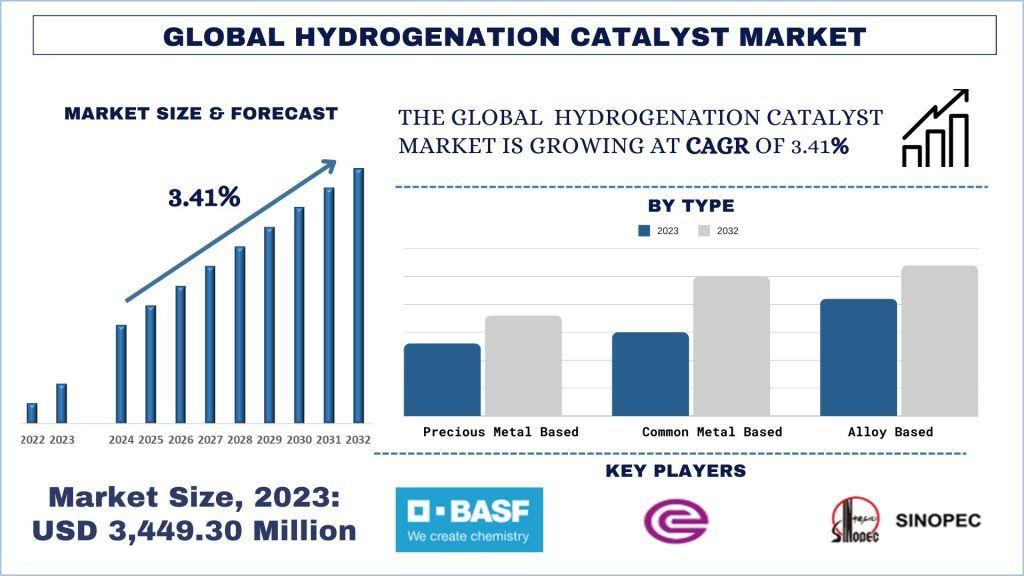
According to UnivDatos, the global hydrogenation catalyst market was valued at USD 3,449.30 million in 2023 and is projected to grow at a steady CAGR of approximately 3.41% during the forecast period (2024–2032). The market has experienced consistent growth, driven by the rising demand for cleaner fuels, sustainable chemical processes, and enhanced production efficiency across multiple...