Crypto.
 О нас
О нас
 Passport
 Conference call
 send money
 Условия использования
 Конфиденциальность
 Sierra market
Building a Healthier Mindset That Helps You Cope With Life’s Challenges and Everyday Stress

Life can bring stress, uncertainty, disappointment, and unexpected changes that can affect how we think and feel. Building a healthier mindset can help you approach these experiences with greater calm, flexibility, and confidence. Instead of allowing everyday pressure to control your emotions, you can learn practical ways to understand your feelings, manage stress, solve problems, and recover from setbacks. Developing this kind of inner strength does not mean avoiding difficult emotions—it means learning how to respond to challenges in healthier and more constructive ways.
Why Your Mindset Matters
Your mindset influences how you interpret everyday experiences. Two people can face a similar situation but respond very differently depending on their thoughts, expectations, habits, and emotional awareness.
A negative mindset may make a difficult situation feel impossible. Thoughts such as “I cannot handle this,” “Everything is going wrong,” or “Things will never improve” can increase feelings of stress and helplessness. On the other hand, a healthier perspective can help you recognize that challenges are temporary and that you have options for responding to them.
A healthy mindset does not require constant positivity. It means being realistic while reminding yourself that difficult circumstances can be managed one step at a time.
Learn to Recognize Your Emotions
One of the first steps toward better emotional health is understanding what you are feeling.
Stress, frustration, sadness, anger, fear, and disappointment are normal human emotions. Trying to ignore them completely can sometimes make them feel stronger. Instead, pause and identify the emotion without judging yourself for experiencing it.
Ask yourself:
- What am I feeling right now?
- What may have triggered this emotion?
- Is there something I can control?
- What do I need at this moment?
- What would be a healthier way to respond?
This simple practice can create space between an emotional reaction and your next action. Over time, greater emotional awareness can make it easier to communicate your needs, make thoughtful decisions, and manage stressful situations.
Focus on What You Can Control
Everyday life contains many things outside your control. Other people's opinions, unexpected events, changes at work, difficult conversations, and uncertain circumstances can all create stress.
Constantly worrying about things you cannot change can drain your energy. Instead, try separating your concerns into two categories: what you can control and what you cannot.
You may not control another person's behavior, but you can control how you communicate. You may not control an unexpected change, but you can decide how you prepare for it. You may not be able to eliminate stress completely, but you can choose healthier ways to manage it.
Focusing your attention on manageable actions can create a greater sense of control and reduce unnecessary worry.
Develop Healthy Ways to Manage Stress
Stress management is an important part of maintaining emotional balance. When stress becomes part of your everyday routine, taking care of yourself should not be treated as an unnecessary luxury.
Simple habits can make a meaningful difference. Regular physical activity, sufficient sleep, nutritious meals, time outdoors, relaxation exercises, hobbies, and meaningful social connections can all support your overall well-being.
Even small changes can help. Taking a short walk, practicing slow breathing, stepping away from your phone for a while, listening to music, or spending a few quiet minutes alone can give your mind an opportunity to reset.
The goal is not to remove every stressful experience from your life. Instead, it is to create healthy routines that help you respond to pressure more effectively.
Practice Flexible Thinking
Life rarely follows a perfect plan. Plans change, mistakes happen, relationships evolve, and unexpected obstacles appear.
Flexible thinking can help you adjust without immediately assuming the worst. If something does not work out, ask yourself what you can learn from the experience and what you could try differently next time.
Instead of thinking, “I failed, so I am not capable,” consider, “This did not work, but I can learn from it.”
This shift does not mean pretending that disappointment does not matter. It means looking at the situation from a broader perspective.
This ability to adapt, recover, and continue moving forward is an important part of Emotional Resilience. It allows you to acknowledge difficulties while still recognizing your ability to cope, learn, and grow.
Build Supportive Relationships
You do not have to handle every challenge alone. Healthy relationships can provide encouragement, perspective, comfort, and a sense of belonging.
Talking with someone you trust can sometimes make a stressful situation feel more manageable. A supportive friend, family member, mentor, or mental health professional may help you look at a problem from a different perspective.
Healthy relationships also involve boundaries. Being supportive of others does not mean constantly ignoring your own needs. Learning to say no when necessary, communicate clearly, and protect your personal time can help create healthier connections.
Social support can become especially valuable during periods of change, loss, uncertainty, or prolonged stress.
Replace Self-Criticism With Self-Compassion
Many people are much harder on themselves than they would ever be toward someone they care about.
When you make a mistake, try to avoid turning one difficult moment into a judgment about your entire character. Everyone experiences setbacks, emotional struggles, and imperfect days.
Self-compassion means treating yourself with patience while still taking responsibility for your choices. You can recognize that something went wrong without convincing yourself that you are a failure.
Try replacing harsh internal statements with more balanced ones:
- “I am having a difficult day, and I can take it one step at a time.”
- “Making a mistake does not define me.”
- “I can learn something from this experience.”
- “It is okay to ask for support.”
A kinder inner voice can help reduce unnecessary emotional pressure and encourage healthier problem-solving.
Strengthen Your Ability to Recover
Building Emotional Resilience is not about becoming unaffected by difficult experiences. Everyone can feel hurt, worried, disappointed, or overwhelmed at times.
The goal is to develop healthier ways to recover.
You can strengthen this ability by learning from previous experiences, maintaining supportive relationships, practicing healthy coping strategies, and reminding yourself of challenges you have successfully handled before.
Recovery may not always happen quickly. Some experiences require time, reflection, and professional support. Progress can sometimes look very small—a better night's sleep, reaching out to someone, completing an important task, or simply getting through a difficult day.
Every positive step matters.
Know When to Seek Professional Support
Sometimes stress, sadness, worry, or emotional difficulties become difficult to manage without additional support. If emotional challenges begin interfering with your daily responsibilities, relationships, sleep, work, or overall quality of life, speaking with a qualified mental health professional can be an important step.
Seeking support is not a sign of weakness. It can be a practical way to better understand what you are experiencing and explore appropriate strategies for moving forward.
Professional guidance can also help you develop healthier coping skills and recognize patterns that may be difficult to identify on your own.
A Path Forward
Building a healthier mindset is a gradual process rather than something that happens overnight. You do not need to eliminate stress, avoid difficult emotions, or have everything figured out. What matters is learning how to respond to life's challenges with greater awareness, flexibility, patience, and self-compassion.
Emotional Resilience grows through everyday choices: taking care of your body, recognizing your emotions, challenging unhelpful thoughts, maintaining healthy relationships, setting boundaries, and asking for help when you need it.
Remember that strength does not always look like feeling confident or positive. Sometimes strength means slowing down, admitting that something is difficult, and taking the next small step anyway.
A healthier mindset gives you room to learn from setbacks without allowing them to define your future. With consistent effort and the right support, you can develop healthier ways to manage stress, adapt to change, and approach life's challenges with greater confidence and balance.
Bub
Do?

Категории
Больше
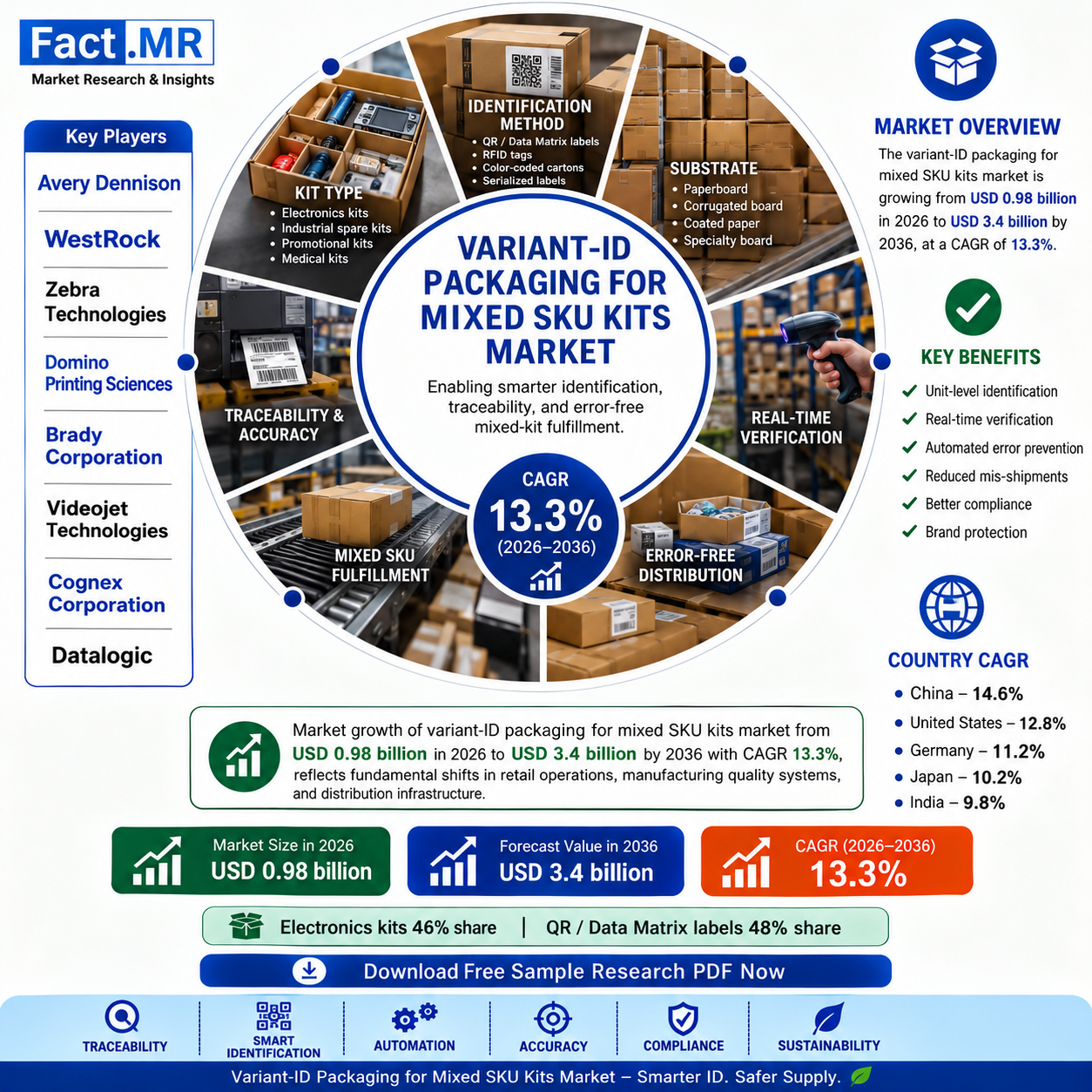
August 24, 2026: The global Variant-ID Packaging for Mixed SKU Kits Market is valued at USD 0.98 billion in 2026 and is projected to reach USD 3.4 billion by 2036, expanding at a 13.3% CAGR from 2026 to 2036, according to Fact.MR. The market is gaining importance as manufacturers, retailers, and fulfillment operators handle more customized orders and...
Netflix is bringing the remarkable story of Madam C.J. Walker to the screen. This limited series will explore her journey to become America's first black, self-made female millionaire. The project is led by Oscar-winner Octavia Spencer, who stars as the pioneering hair care mogul. Joining the cast are Tiffany Haddish, Carmen Ejogo, Blair Underwood, Garrett Morris, and Kevin Carroll. ' Haddish...

Market Overview The India biobanking market is experiencing significant growth as healthcare research expands, biological sample management demands increase, and specialized biobanking infrastructure enables precision medicine development, clinical research support, and improved healthcare outcomes for diverse populations requiring advanced biological sample storage and management. The India...
Honkai: Star Rail is gearing up for its highly anticipated 3.2 update, bringing a host of exciting features and rewards for players to enjoy. One of the most notable additions is a brand-new, exclusive five-star character that players can obtain for free, marking a significant milestone in the game's ongoing celebrations. As the game approaches its second anniversary, developers from Hoyoverse...
Transporting a motorcycle or scooter by train is a common option for people moving to another city. Whether you are relocating for a new job, college admission, business requirements, or personal reasons, understanding the expected transportation cost can help you plan your move. An IRCTC bike parcel charges calculator is useful for estimating the possible cost of sending a...