Crypto.
 About
About
 Passport
 Conference call
 send money
 Terms
Terms
 Privacy
 Sierra market
Are Fat Melting Injections Safe for You?

Fat Melting Injections have become a popular topic among people looking for ways to reduce small, stubborn pockets of fat without undergoing surgery. Often marketed as a convenient alternative to more invasive body-contouring procedures, these injections are designed to break down fat cells in specific treatment areas.
But are fat melting injections actually safe?
The answer depends on several factors, including what product is being used, where it is being injected, who is administering it, and whether the product is approved for that particular use. Not every injection marketed as a “fat melting” or “fat dissolving” treatment has been properly evaluated for safety and effectiveness.
For anyone considering this type of treatment, understanding the potential benefits, limitations, side effects, and safety considerations is more important than simply looking at before-and-after photographs or promotional claims.
What Are Fat Melting Injections?
Fat melting injections, also called injectable fat reduction or injection lipolysis, are treatments intended to reduce localized fat beneath the skin. Rather than physically removing fat through surgery, certain injectable medications work by disrupting fat cells so that the body can gradually clear the resulting cellular debris.
One important example is deoxycholic acid, an injectable substance used for reducing fat beneath the chin in adults. In the United States, the FDA has approved a prescription deoxycholic acid injection for improving the appearance of moderate to severe submental fat, commonly referred to as a double chin. The FDA specifically states that this approved product has not been evaluated for use on other body areas.
This distinction matters because the term “fat melting injections” can refer to several different products. Some products sold online or offered in aesthetic settings may contain ingredients such as phosphatidylcholine or sodium deoxycholate and may not have been approved by the relevant regulatory authority for cosmetic fat reduction.
The FDA has warned that unapproved fat-dissolving injections have been associated with serious complications, including infections, permanent scarring, skin deformities, cysts, and painful deep lumps.
How Do Fat Melting Injections Work?
The exact mechanism depends on the substance being injected.
With deoxycholic acid, the medication disrupts the membranes of fat cells in the treated area. The body then gradually processes and removes the cellular material. This is different from liposuction, where fat is physically removed through a surgical procedure.
Because the treatment works locally, it is generally intended for small, localized areas of unwanted fat rather than overall weight loss. Injectable fat reduction should therefore not be viewed as a substitute for a healthy diet, physical activity, or medically appropriate weight-management treatment.
Treatment results also do not necessarily appear immediately. Swelling and inflammation can temporarily make the treated area look fuller before the body begins to settle and the fat reduction becomes noticeable. The American Society of Plastic Surgeons notes that visible changes after injection lipolysis may take several weeks, and multiple treatments may sometimes be needed.
This gradual process is one reason realistic expectations are important.
Are Fat Melting Injections Safe?
Fat melting injections can be safe when an appropriately approved product is used for an approved indication and administered correctly by a qualified healthcare professional. However, no injectable cosmetic procedure is completely risk-free.
The biggest safety concern is that not all products marketed as fat-dissolving injections have undergone the same level of testing or regulatory review.
For example, the FDA states that an approved deoxycholic acid injection is intended specifically for fat under the chin in adults. Its safety and effectiveness for fat elsewhere on the body have not been established.
Unapproved products create additional uncertainty. Their ingredients, concentration, manufacturing quality, sterility, injection instructions, and clinical evidence may not have been adequately evaluated. The FDA has reported adverse reactions involving unapproved fat-dissolving injections and has advised consumers not to purchase such products online or inject them themselves.
Therefore, the phrase “fat melting injection” alone does not tell a person whether a treatment is safe. The specific medication and its approved use matter.
What Side Effects Can Occur?
Side effects vary according to the product and treatment area.
With approved deoxycholic acid treatment under the chin, common temporary reactions can include:
-
Swelling
-
Bruising
-
Redness
-
Pain or tenderness
-
Numbness
-
Firmness or hardness in the treated area
-
Temporary areas of uneven texture
These effects can be uncomfortable, but they often improve as the treatment area heals. The American Society of Plastic Surgeons also notes that swelling, bruising, pain, redness, and temporary hardness can occur after injection lipolysis.
More significant complications are possible. The FDA-approved labeling identifies risks such as injury to the marginal mandibular nerve, which can cause an uneven smile or facial weakness, as well as difficulty swallowing. The risk of these complications highlights why accurate knowledge of anatomy and proper injection technique are important.
With unapproved fat-dissolving injections, the risks may be substantially more unpredictable. The FDA has received reports of serious infections, permanent scars, skin deformities, cysts, and painful knots following the use of unapproved products.
Anyone experiencing severe pain, spreading redness, significant skin changes, pus, fever, worsening swelling, difficulty swallowing, facial weakness, or another concerning symptom after an injection should seek prompt medical evaluation.
Who May Be a Good Candidate?
Suitability depends on the person's health, anatomy, treatment goals, and the specific injectable being considered.
Fat melting injections are generally intended for localized fat reduction rather than major weight loss. Someone who is close to their desired weight but has a small, persistent area of fat may be interested in an injectable option.
For under-chin treatment, factors such as skin elasticity also matter. If a person has substantial loose skin, reducing fat alone may not create the desired contour. The American Society of Plastic Surgeons notes that people with loose skin or poor skin tone may not be suitable candidates for injection lipolysis.
A proper consultation should also consider previous procedures, allergies or sensitivities, current medications, existing skin problems, infections, and relevant medical history.
An active infection at the planned injection site is a contraindication for approved deoxycholic acid treatment.
Pregnancy, breastfeeding, previous surgery in the treatment area, and certain medical conditions may also require additional assessment. Rather than assuming a treatment is suitable based on an advertisement, an individual should receive personalized medical advice before proceeding.
How Can Someone Make Fat Melting Injections Safer?
The safest approach begins with product verification.
A person considering fat melting injections should ask exactly what substance is being injected, whether it is approved by the appropriate regulatory authority, and what areas it is approved to treat. This is particularly important when treatment is being offered for areas such as the abdomen, thighs, arms, back, or other parts of the body.
The FDA specifically warns against buying unapproved fat-dissolving products online and injecting them independently.
The qualifications of the person performing the procedure also matter. Injection lipolysis requires knowledge of anatomy, appropriate dosing, injection depth, treatment boundaries, sterile technique, and management of complications.
During a consultation, useful questions can include:
-
What exact product will be used?
-
Is it approved for this treatment area?
-
What side effects are possible?
-
How many treatment sessions might be needed?
-
What should be expected during recovery?
-
What symptoms would require urgent medical attention?
-
What alternatives are available if injections are not appropriate?
A reputable healthcare professional should be willing to answer these questions clearly rather than making unrealistic promises.
Fat Melting Injections vs. Other Fat-Reduction Options
Fat melting injections are only one option for localized fat reduction.
Other nonsurgical approaches may use cooling, radiofrequency, ultrasound, or other technologies to target fat cells. Surgical procedures such as liposuction can physically remove larger amounts of localized fat but involve a different level of invasiveness and recovery.
The best option depends on the amount and location of fat, skin quality, desired degree of change, overall health, and willingness to undergo surgery or downtime. The American Society of Plastic Surgeons describes injection lipolysis as one of several nonsurgical or minimally invasive fat-reduction approaches and emphasizes that these treatments are not replacements for liposuction.
A person should therefore avoid choosing a treatment solely because it is described as “non-surgical” or “quick.” Less invasive does not automatically mean risk-free.
What Should Be Expected After Treatment?
Recovery depends on the product and treatment area.
For approved under-chin injection lipolysis, swelling can be noticeable and may temporarily make the area appear larger. Bruising, tenderness, redness, and firmness may also occur. Results develop gradually rather than appearing immediately.
Following treatment instructions is important. A healthcare professional may provide guidance about activities, medications, skincare, and what symptoms should be monitored.
It is also important to understand that results vary. Some people may achieve noticeable improvement after a course of treatment, while others may see a more modest change. Multiple sessions may be recommended depending on the treatment plan and the individual's response.
Most importantly, expectations should remain realistic. Fat reduction does not necessarily produce dramatic body reshaping, and treating a small pocket of fat does not address the underlying causes of overall weight gain.
Frequently Asked Questions
1. Are fat melting injections completely safe?
No cosmetic injection is completely risk-free. Approved fat-reduction injections can have side effects and complications, while unapproved products may carry additional and unpredictable risks. Safety depends on the specific medication, treatment area, injection technique, and qualifications of the healthcare professional administering it.
2. Do fat melting injections help with weight loss?
Fat melting injections are generally intended for localized fat reduction rather than general weight loss. They may reduce a small pocket of fat in an appropriate treatment area, but they should not be considered a replacement for a medically appropriate weight-management plan.
3. Can fat melting injections be used on the stomach or thighs?
This depends on the specific product and local regulatory approval. In the United States, the FDA-approved deoxycholic acid injection is approved for reducing fat under the chin in adults, and the FDA states that its safety and effectiveness for other body areas have not been established.
4. How long does it take to see results?
Results usually develop gradually. Swelling and inflammation can occur shortly after treatment, and visible fat reduction may take several weeks. Some people may require more than one treatment depending on the area and their response.
5. What are the most common side effects?
Common reactions can include swelling, bruising, redness, tenderness, pain, numbness, and firmness in the treated area. More serious complications can occur, particularly when injections are improperly administered or when unapproved products are used.
6. Is it safe to buy fat-dissolving injections online and inject them at home?
No. The FDA specifically advises consumers not to purchase unapproved fat-dissolving injections online or inject them themselves. Such products may cause infections, scarring, skin deformities, cysts, and other serious complications.
Final Thoughts
Fat melting injections may offer a useful option for carefully selected people who want to reduce a small area of localized fat without surgery. However, the safety of the treatment depends heavily on using an appropriate, properly evaluated product and having it administered correctly.
The most important distinction is between an approved injectable treatment used for its approved purpose and an unapproved product promoted with broad fat-reduction claims. Consumers should not assume that every product labeled “fat dissolving,” “fat melting,” or “lipolytic” has been proven safe.
Anyone considering treatment should seek an individualized assessment from a qualified healthcare professional, verify the product being offered, understand the potential risks, and have realistic expectations about the results. When it comes to cosmetic treatments, informed decisions are generally safer than decisions based solely on promotional claims.
Read More About Fat Melting Injections: https://tanbat.com/articles/how-many-fat-melting-injections-do-you-need-kgmeg1
Bub
Do?

Categories
Read More
После выхода большого геймплейного трейлера пролога Neverness to Everness стали известны новые подробности ролевого экшена, выполненного в духе городской саги. Видео демонстрирует ключевые сюжетные кат‑сцены и динамичную боевую систему, в которой протагонист действует в окружении отряда компаньонов. Каждый спутник обладает уникальным боевым стилем — от ближнего боя до дистанционной магии...

Long-term relationships require continuous effort, emotional awareness, and physical intimacy to remain strong and fulfilling. Over time, couples may experience changes in desire, communication patterns, or emotional closeness that impact relationship harmony. Consulting a Sexologist in Riyadh offers professional guidance to help partners navigate these changes with confidence and...

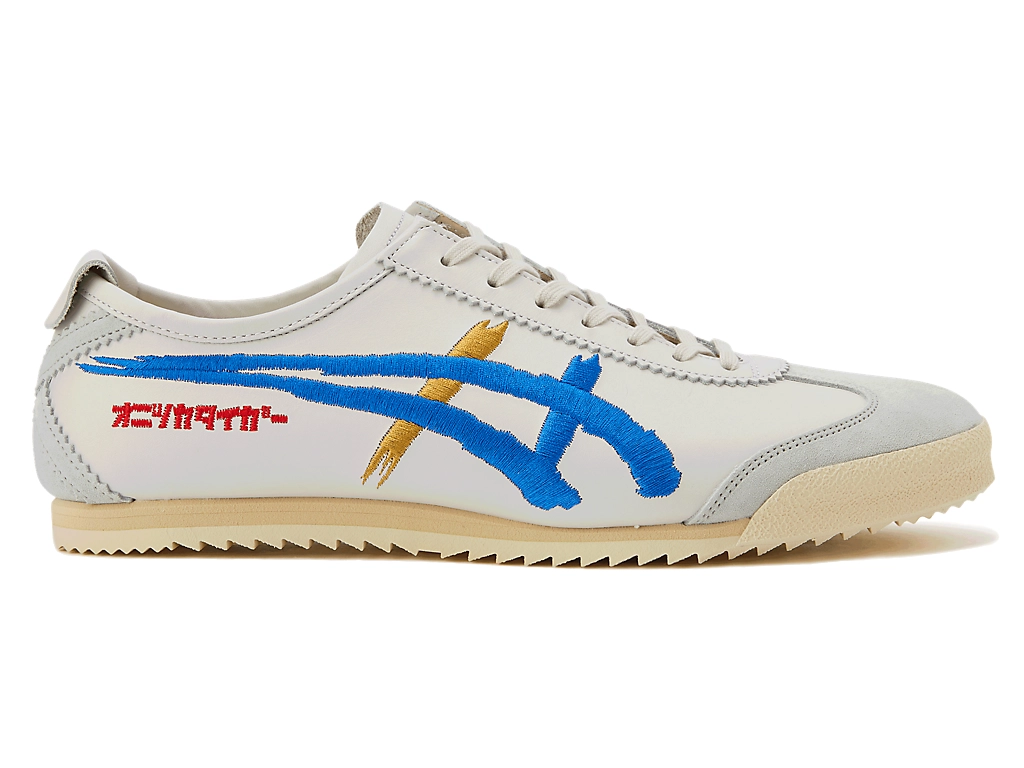
When we explore the world of distinctive footwear, we find that Onitsuka Tiger United States represents a compelling combination of Japanese heritage, timeless design, contemporary fashion, and everyday versatility. The brand has developed a strong identity by bringing classic athletic influences into modern wardrobes while maintaining the craftsmanship and visual character associated with...
As consumer electronics continue to shrink while offering greater functional capability, hardware engineers face the daunting challenge of packing complete radio front-end systems into ultra-compact footprints. Modern mobile phones, smartwatches, and wireless earbuds contain multiple radios handling cellular connectivity, Wi-Fi, Bluetooth, and GPS simultaneously. This high component density...

The future of healthcare is being built on a foundation of collaborative innovation. The traditional siloed approach to drug development is being replaced by a global network of interconnected service providers. This "virtual" pharmaceutical model allows companies to operate with minimal physical assets, focusing instead on intellectual property and portfolio management. The rise of...