


 Crypto.
 О нас
О нас
 Passport
 Conference call
 send money
 Условия использования
 Конфиденциальность
 Sierra market
Handheld Laser Welder: A Modern Approach to Precise Metal Joining
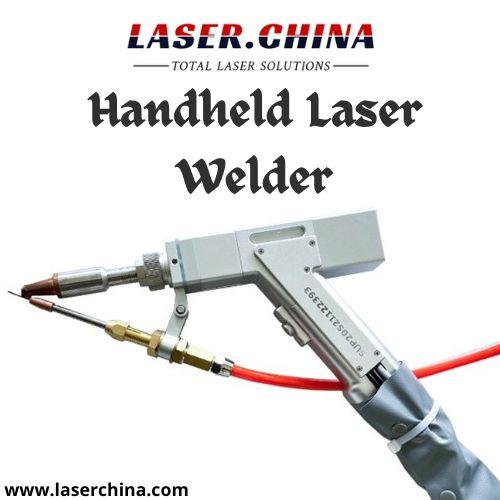
Metal fabrication continues to evolve as manufacturers look for cleaner, more accurate, and more practical ways to join different metal components. The handheld laser welder has become an important tool in modern workshops because it provides a controlled method for welding while allowing operators to work directly on different shapes and structures. From stainless steel fabrication to customized metal products, laser welding technology is being used across many industries where precision and consistent results are important.
Unlike traditional welding methods that often require extensive preparation and manual control, laser welding uses a concentrated beam of light to create a localized welding area. This approach allows the operator to focus energy precisely where the materials need to be joined. With the development of portable systems, laser welding has become increasingly suitable for workshops, production facilities, repair applications, and customized fabrication projects.
What Is a Handheld Laser Welder?
A handheld laser welder is a laser-based welding machine designed to allow an operator to guide the welding head manually. The system produces a concentrated laser beam that heats the metal surface and creates a controlled molten area. When the material cools, the joined sections form a strong weld.
The handheld design provides greater freedom when working with different workpiece shapes and sizes. Instead of positioning every component around a fixed welding system, an operator can move the welding head according to the structure being fabricated.
Modern systems are commonly used with metals such as stainless steel, carbon steel, galvanized steel, aluminum, and other suitable alloys. The appropriate settings depend on material type, thickness, joint design, and the specific welding application.
How Does Laser Welding Work?
Laser welding is based on concentrated thermal energy. The laser source generates a high-energy beam, which is directed through the optical system toward the welding area. When the beam reaches the metal surface, its energy is converted into heat.
The heat creates a small molten pool at the joint. As the operator moves the laser welding head along the seam, the molten material follows the welding path. After the laser passes, the material cools and solidifies, forming the joint.
The process requires careful control of parameters such as laser power, welding speed, focal position, and wire feeding when filler material is required. Correct parameter selection is important because different metals react differently to concentrated heat.
Applications in Metal Fabrication
The handheld laser welder can be used for a wide range of fabrication tasks. Stainless steel products are one common application, particularly where a controlled welding process is required for visible surfaces.
Manufacturers of metal cabinets, kitchen equipment, doors, windows, railings, furniture, and customized structures can incorporate laser welding into their production processes. Automotive component fabrication and industrial equipment manufacturing can also involve laser welding for suitable metal assemblies.
The technology is also relevant to repair and maintenance work. Workshops may use portable laser welding equipment when repairing metal components, filling small damaged areas, or joining parts that are difficult to position on conventional welding equipment.
Because handheld systems can be moved around larger workpieces, they can be particularly practical for projects involving frames, panels, enclosures, and fabricated structures.
Welding Stainless Steel
Stainless steel is widely used in commercial and industrial manufacturing because of its corrosion resistance and clean appearance. Welding stainless steel requires appropriate control of heat because excessive thermal input can affect the appearance and characteristics of the welded area.
A laser welding system provides a concentrated heat source, allowing the operator to follow the intended seam while controlling the welding parameters. Applications can include stainless steel cabinets, decorative structures, food-service equipment, architectural components, and custom fabrication.
The final result depends on material grade, thickness, joint preparation, machine settings, shielding gas, and operator technique. Proper testing and parameter adjustment should therefore be performed before beginning production work.
Working With Aluminum
Aluminum has different thermal characteristics from steel and requires suitable welding parameters. Its reflective surface and thermal conductivity can influence how laser energy interacts with the material.
For this reason, operators should select equipment and settings appropriate for aluminum applications. When properly configured, laser welding equipment can be incorporated into the fabrication of aluminum frames, components, enclosures, automotive parts, and other suitable products.
Material cleanliness is also important. Oil, dirt, oxidation, and other contaminants around the welding area can influence weld quality.
Portable Welding for Different Workpieces
One of the defining aspects of a handheld system is the ability to move the welding head around the workpiece. This can be useful when dealing with large structures or components that are difficult to move.
For example, an operator working on a large metal frame can position the component securely and guide the welding head along the required seams. This working method can simplify the handling of oversized parts and customized structures.
Portable laser welding systems can therefore fit into different workshop environments, provided that appropriate safety controls, ventilation, electrical requirements, and operating procedures are established.
Preparing Materials Before Welding
Good welding results begin before the laser is switched on. The surfaces should be clean and properly positioned. Rust, oil, paint, dust, moisture, and other contaminants should be removed according to the material and application.
Joint alignment is equally important. Gaps between components can affect the welding process, particularly when working with thin materials. Appropriate fixtures or clamps can help maintain the intended position during welding.
For production applications, manufacturers can establish standard preparation procedures so that operators follow consistent steps before beginning each welding task.
Choosing the Right Welding Parameters
There is no single setting that works for every metal or thickness. Laser power, welding speed, focus position, wire feed rate, and shielding gas must be selected according to the specific application.
Thicker materials generally require different processing conditions from thin sheets. Similarly, aluminum, stainless steel, and carbon steel require their own parameter ranges.
A practical approach is to begin with recommended settings from the equipment manufacturer and then conduct test welds on the same material and thickness used in production. Inspecting the test pieces can help determine whether the selected parameters require adjustment.
Safety Considerations
Laser welding involves concentrated optical energy and high temperatures, so workplace safety must be treated as an essential part of the operation. Operators should use equipment designed for the intended laser class and follow the manufacturer's safety instructions.
Suitable laser safety protection, protective clothing, eye protection, and appropriate ventilation should be provided according to the machine and application. The welding area should also be controlled to prevent unauthorized personnel from entering an active work zone.
Metal fumes and gases generated during welding require suitable ventilation or extraction. Operators should receive proper training before using the equipment, particularly when working with unfamiliar materials or new welding procedures.
Integrating Laser Welding Into Production
Businesses considering a handheld laser welder should first identify the types of materials, thicknesses, joint designs, and production volumes involved in their work. This information can help determine whether a particular laser welding system matches the intended applications.
A workshop producing customized stainless steel products may have different requirements from an industrial manufacturer working with thicker carbon steel components. Understanding these requirements before selecting equipment helps ensure that the machine is configured appropriately.
Training is another important part of implementation. Operators need to understand material preparation, machine settings, welding techniques, safety procedures, and routine equipment care.
Maintenance and Daily Operation
Regular maintenance helps keep welding equipment operating consistently. Operators should inspect the welding head, protective components, cooling system, cables, and other machine parts according to the manufacturer's maintenance schedule.
The optical components should be handled carefully because contamination can affect laser transmission and equipment performance. Consumables should also be checked and replaced when necessary.
Keeping records of machine maintenance and welding parameters can help production teams identify recurring issues and maintain consistent operating procedures.
The Growing Role of Handheld Laser Welding
As metal fabrication becomes increasingly focused on precision and efficient production methods, handheld laser welding continues to attract attention from workshops and manufacturers. Its portable working format makes it suitable for applications ranging from customized fabrication to industrial production.
The technology is not limited to one particular industry. Metal furniture, automotive components, architectural fabrication, kitchen equipment, machinery parts, stainless steel products, and repair work can all involve suitable laser welding applications.
Final Thoughts
The handheld laser welder represents an important development in modern metal fabrication, combining laser technology with a flexible manual welding format. Its application across stainless steel, aluminum, carbon steel, and other suitable metals makes it relevant to many different fabrication environments
Bub
Do?

Категории
Больше
Autoimmune Disease Treatment Market Regional Insights and Growth Dynamics The Autoimmune Disease Treatment Market is witnessing growth due to increased healthcare spending and rising patient awareness. According to MRFR, the adoption of advanced biologics and immunotherapies is fueling market expansion. Companies are focusing on personalized treatment approaches to improve efficacy while...

The digital era has significantly changed the way people communicate, access information, and enjoy entertainment. Smartphones and tablets have become essential tools that allow users to perform various activities directly from their mobile devices. From social networking and online learning to streaming and sports updates, mobile applications have transformed the user experience. As the demand...

The modern workforce demands payment solutions that match its pace and diversity. Prepaid cards are emerging as a pivotal tool, transforming how compensation is delivered across various sectors. For event-based or seasonal roles, where employment may last mere days, the ability to issue payments instantly upon job completion is revolutionary. It creates a clean, efficient break for both worker...

In a lighthearted promotional clip for this week's Saturday Night Live, "Heated Rivalry" star Connor Storrie showcases his impressive accent skills alongside SNL cast member James Austin Johnson. The video begins with Storrie chatting about "Heated Rivalry" with cast members Ashley Padilla and Marcello Hernandez. After Padilla mentions being "completely dehydrated" by the finale, Storrie...
As the holiday season approaches, many of us find ourselves rushing through busy shopping malls and online stores to complete our festive errands. From selecting the ideal gifts and preparing holiday meals to sending heartfelt greeting cards and coordinating travel plans, December is a whirlwind of activity. However, amidst the festive cheer, cybercriminals are also gearing up to exploit this...
