Crypto.
 Sobre
Sobre
 Passport
 Conference call
 send money
 Termos
 Privacidade
 Sierra market
What Packaging Do I Need for My Product? A Beginner’s Guide
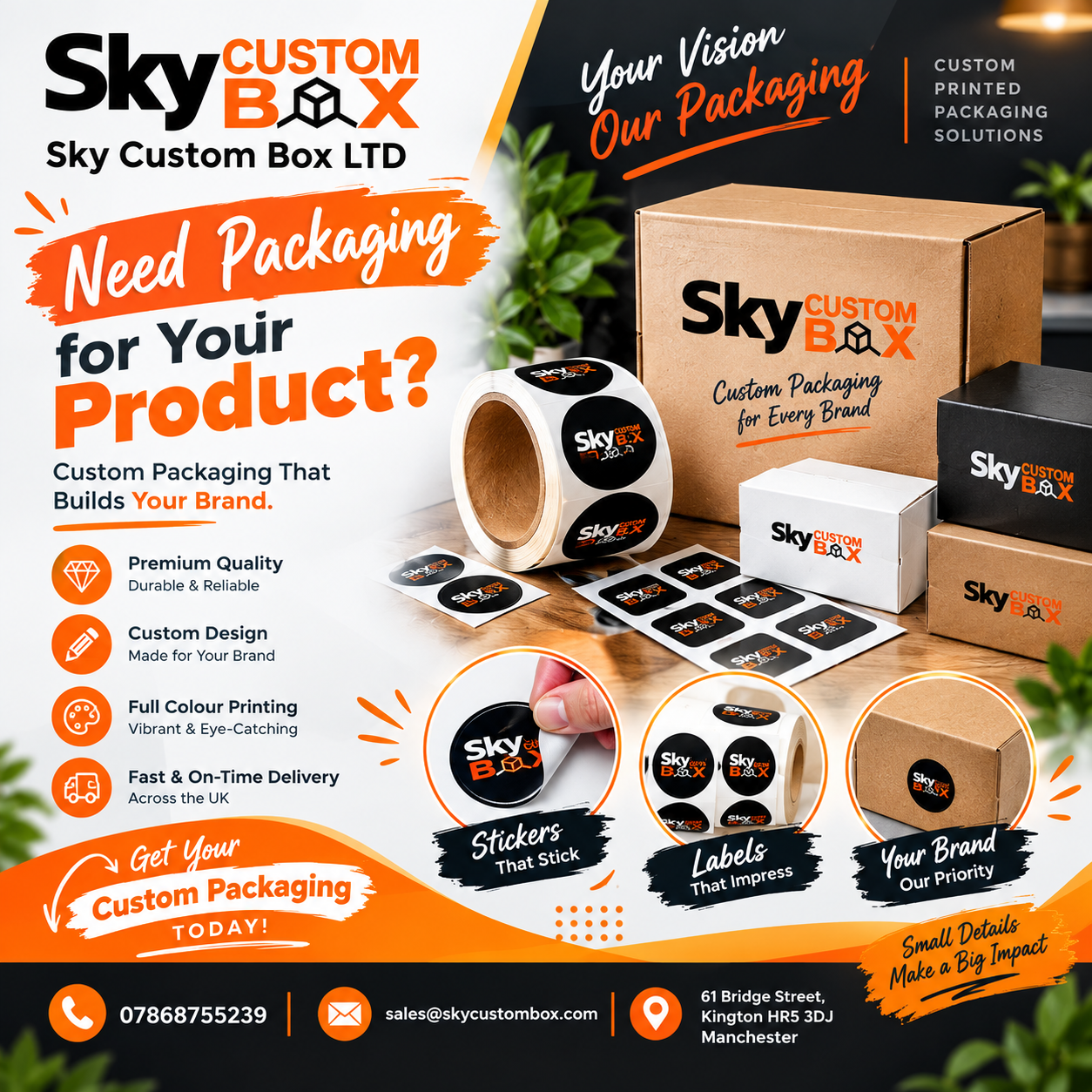
Choosing the right packaging can be one of the most important decisions a product-based business makes. Packaging protects products during storage and transportation, communicates important information, influences customer expectations, and can contribute to a consistent brand identity. For new businesses especially, deciding between cartons, rigid boxes, mailer boxes, pouches, sleeves, or other formats can feel complicated.
If you are asking, “I need packaging for my product”, the best starting point is not the appearance of the box. Instead, consider what the product needs to remain protected, how it will be transported, who will handle it, and how customers will interact with the package.
From product dimensions to materials, printing, sustainability, and shipping requirements, several factors should be considered before selecting a packaging format.
Start With the Product Itself
The first step in packaging selection is understanding the physical characteristics of the product. Different products require different levels of protection, structure, and presentation.
Consider questions such as:
- What are the product’s length, width, and height?
- Is it fragile, heavy, liquid, sharp, or easily damaged?
- Does it require cushioning or internal support?
- Is it sensitive to moisture, light, heat, or pressure?
- Will several products be placed inside one package?
- Does the product need to be presented immediately when the package is opened?
For example, cosmetics may require compact cartons with carefully positioned inserts, while clothing may work well with bags, mailers, or lightweight boxes. Fragile products such as glass bottles can require stronger outer packaging and protective internal components.
Accurate measurements are particularly important. Packaging that is too large can allow excessive movement and increase shipping material, while packaging that is too small may put pressure on the product.
A useful approach is to measure the product and then consider the space needed for protective material, inserts, labels, or other components.
Understand the Main Types of Product Packaging
Once the product requirements are clear, the next step is to compare packaging formats. There is no universal solution because the appropriate structure depends on the product, sales channel, budget, and customer experience.
Folding Cartons
Folding cartons are commonly used for retail products, cosmetics, food items, electronics accessories, and other relatively lightweight products. They are generally made from paperboard and can be printed with product information, branding, instructions, and regulatory details.
Their ability to fold flat before use can also make storage and transportation more efficient.
Rigid Boxes
Rigid boxes are constructed from thicker board and provide a more substantial structure. They are frequently used for premium products, gift packaging, electronics, jewellery, cosmetics, and products where presentation is an important consideration.
Rigid packaging can also accommodate features such as magnetic closures, removable lids, trays, and custom inserts.
Mailer Boxes
Mailer boxes are designed with shipping and e-commerce in mind. Their structure can provide protection while also creating a branded unboxing experience.
For online retailers, packaging needs to perform two jobs: survive the delivery process and present the product effectively when it reaches the customer.
Pouches and Flexible Packaging
Flexible packaging can be useful for clothing, food, personal-care products, accessories, and products that do not require a rigid outer structure.
It can reduce material volume and may be easier to store, although the appropriate barrier properties and durability should be considered for each product.
Sleeves and Inserts
Packaging does not always need to be a complete box. Sleeves can add branding or information around an existing container, while inserts can separate products, provide instructions, or prevent movement inside a package.
These components can also be combined with primary packaging to create a more structured presentation.
Consider Protection, Shipping and Retail Requirements
A visually attractive package is not necessarily a successful package if it cannot protect its contents.
Packaging should be evaluated across the entire product journey—from manufacturing and storage to shipping, retail handling, and final delivery.
For e-commerce products, businesses should think about:
- Impact protection: Can the package withstand drops and handling?
- Compression: Can stacked packages place pressure on the product?
- Movement: Does the product move excessively inside the package?
- Moisture: Could humidity or exposure to water affect the contents?
- Weight: Is the packaging strong enough without adding unnecessary weight?
- Shipping dimensions: Could package size affect transportation costs?
Testing sample packaging before placing a large production order can reveal practical problems that may not be obvious from a computer-generated design.
For example, a box may look perfectly sized on screen but prove difficult to assemble, provide insufficient room for an insert, or leave too much internal space around the product.
This is why physical prototypes and packaging trials can be valuable parts of the development process.
Choose Materials With Function and Sustainability in Mind
Material selection has become increasingly important as businesses and consumers pay greater attention to waste, recyclability, and resource use.
Common packaging materials include paperboard, corrugated board, rigid board, plastics, glass, and various flexible materials. Each has different properties and applications.
When evaluating materials, consider:
- Durability
- Weight
- Recyclability
- Recycled content
- Product protection
- Storage requirements
- Printing compatibility
- End-of-life disposal
- Transportation efficiency
Sustainable packaging does not simply mean choosing a material labelled “eco-friendly.” The complete packaging system should be considered.
For example, reducing unnecessary layers or eliminating oversized packaging may reduce material use. Designing a package that fits the product closely can also improve transportation efficiency.
At the same time, packaging should not be made so minimal that products are frequently damaged. Product replacement, returns, and wasted goods can create their own environmental and financial costs.
The goal is generally to find an appropriate balance between protection, material efficiency, usability, and end-of-life considerations.
Think About Branding Without Sacrificing Function
Packaging is often one of the first physical interactions customers have with a product. This makes it an important part of the overall customer experience.
Branding can be incorporated through:
- Logos
- Colour schemes
- Typography
- Product information
- Patterns
- Finishing techniques
- Printed inserts
- Custom labels
- Structural design
However, effective packaging does not necessarily require excessive decoration. A clear hierarchy of information can often be more useful than a crowded design.
Customers should be able to understand what the product is, who it is from, and any important information without searching through unnecessary visual elements.
For businesses developing custom packaging, providers such as Sky Custom Box can serve as an example of the type of specialist packaging supplier businesses may research when exploring custom box structures and printed packaging options.
The packaging design should ultimately support the product rather than compete with it.
Common Packaging Mistakes and How to Avoid Them
Businesses new to packaging often encounter similar problems. Understanding these issues before production can save time and reduce waste.
Choosing Based Only on Appearance
A beautiful box that does not protect the product can lead to damaged goods and customer complaints.
Solution: Test structure, materials, closures, and internal protection before finalising the design.
Ordering Before Confirming Measurements
Small measurement errors can result in packaging that is too tight or unnecessarily large.
Solution: Confirm product dimensions and allow for inserts, cushioning, and assembly tolerances.
Ignoring the Shipping Environment
Retail packaging may not be sufficient for direct-to-consumer delivery.
Solution: Consider the handling conditions and distribution route before choosing the structure.
Overusing Packaging Materials
Additional layers can sometimes create unnecessary waste without improving protection.
Solution: Evaluate each packaging component and determine whether it has a clear functional purpose.
Forgetting the Customer Experience
Packaging is opened by real people, not just machines.
Solution: Check whether the package is easy to open, intuitive to use, resealable when appropriate, and practical to dispose of.
A Simple Packaging Checklist for Beginners
If you are still thinking, “I need packaging for my product,” use this checklist before making a decision:
- Define the product's exact dimensions and weight.
- Identify potential risks during storage and transportation.
- Choose a suitable packaging format.
- Select materials according to protection and sustainability requirements.
- Decide whether inserts or internal supports are necessary.
- Consider shipping dimensions and weight.
- Plan the information customers need to see.
- Develop artwork that matches the product and brand identity.
- Request or create a physical prototype.
- Test packaging before committing to larger quantities.
- Review storage, assembly, and disposal requirements.
This process makes packaging selection more systematic and reduces the risk of choosing a format simply because it looks attractive.
Final Thoughts
The question “What packaging do I need for my product?” does not have one universal answer. The right solution depends on the product's physical characteristics, distribution method, protection requirements, customer experience, brand presentation, and sustainability objectives.
Read More:
What Is Compostable Packaging? Complete UK Guide
Bub
Do?

Categorias
Leia mais
In the evolving world of golf, equipment choices are no longer limited to individual players. Businesses, academies, event organizers, and retailers are increasingly paying attention to how they source gear in bulk without compromising on quality. Among these essentials, gloves hold a unique position because they directly influence performance, comfort, and durability. For those looking to...
Netflix Resurrects Cult Animated Comedy for New Audience In an exciting development for fans of adult animation, the critically acclaimed series "Digman!" will find a new home on Netflix beginning March 17, 2026. This Comedy Central creation, which has maintained a dedicated but limited fanbase since its 2023 debut, is set to reach its largest audience yet through the streaming giant. The...

Production Commences on Adam Wingard’s Netflix Adaptation of Death Note Filming Underway in North America In a significant development for fans worldwide, Netflix has announced the official start of principal photography for the highly anticipated film adaptation of the iconic manga series, Death Note. The project is helmed by acclaimed director Adam Wingard, known for his work on The...
The North America cigarette market remains a significant segment of the tobacco industry despite increasing regulatory scrutiny and growing awareness regarding smoking-related health concerns. The region continues to generate substantial revenue due to the presence of established tobacco brands, a mature retail network, and strong consumer demand among adult smokers. According to The...

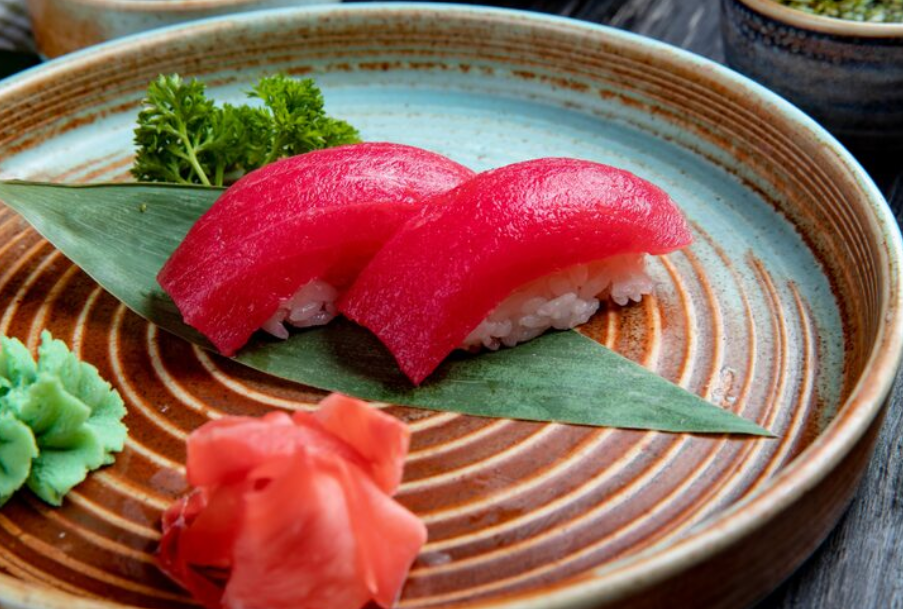
Sushi has become one of the most appreciated culinary experiences worldwide, blending precision, tradition, and freshness into every bite. In coastal Connecticut and surrounding areas, the demand for high-quality sushi continues to grow, especially among diners who value authenticity and premium ingredients. Two search phrases often associated with this elevated dining experience are nigiri...