Crypto.
 Über
Über
 Passport
 Conference call
 send money
 Bedingungen
 Datenschutz
 Sierra market
Glutathione Injections for Pigmentation: What Does Research Say?
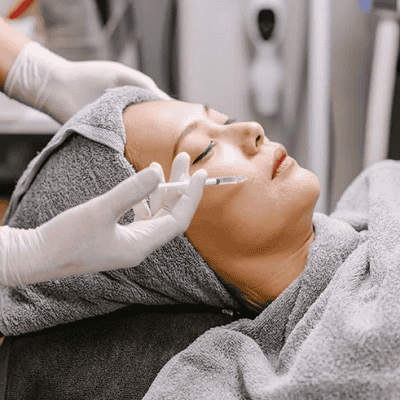
Skin pigmentation can be influenced by sun exposure, hormones, inflammation, acne, genetics, and a range of other factors. As people look for ways to achieve a more even complexion, glutathione has attracted considerable attention, particularly in the form of injections or intravenous treatments.
For people searching for Glutathione Injections in Muscat it is important to understand the difference between popularity and scientific evidence. Glutathione is a naturally occurring antioxidant found throughout the body, and laboratory research suggests that it can influence processes involved in melanin production. However, the evidence for injectable glutathione as a cosmetic pigmentation treatment remains limited.
Recent research has continued to examine glutathione's possible effects on skin pigmentation, while also highlighting unanswered questions about dosage, treatment duration, long-term effectiveness, and safety. A 2025 systematic review found evidence for some skin-lightening effects with topical and oral glutathione, but concluded that evidence for intravenous glutathione was inadequate and that safety concerns remain significant.
That makes informed decision-making especially important for anyone considering glutathione injections for pigmentation.
What Is Glutathione and How Could It Affect Skin Pigmentation?
Glutathione is a naturally occurring antioxidant made from three amino acids: cysteine, glutamic acid, and glycine. It plays an important role in protecting cells from oxidative stress and supporting several biochemical processes in the body.
Its connection with pigmentation is related partly to melanogenesis, the biological process through which melanocytes produce melanin. Melanin is the pigment responsible for much of the color of the skin, hair, and eyes.
Researchers believe glutathione may influence melanin production through several mechanisms. It may affect tyrosinase activity, an enzyme involved in melanin synthesis, and may influence the balance between different types of melanin. Its antioxidant activity may also affect oxidative pathways involved in pigmentation.
These mechanisms provide a scientific reason for investigating glutathione in pigmentation disorders. However, a plausible biological mechanism does not automatically mean that a treatment produces a reliable cosmetic result in real-world patients.
Clinical evidence has generally been more encouraging for topical and oral glutathione than for intravenous administration. A systematic review published in the International Journal of Dermatology in 2025 found several studies suggesting improvements in melanin measurements with oral and topical glutathione, but identified only one placebo-controlled study involving intravenous glutathione.
Therefore, claims that glutathione injections will reliably produce dramatic or permanent skin lightening are not supported by strong clinical evidence.
What Does Research Say About Glutathione Injections for Pigmentation?
The research surrounding glutathione and pigmentation is still developing. Earlier reviews found that some oral and topical studies reported reductions in melanin measurements, but the overall evidence was considered inconclusive because of small studies, differences in study design, and inconsistent results.
More recent evidence has not established intravenous glutathione as a proven cosmetic pigmentation treatment.
A 2025 systematic review examining glutathione for skin lightening and melasma found that randomized studies were available for oral glutathione and that some topical preparations showed potential benefits. In contrast, only one placebo-controlled study of intravenous glutathione was identified. The review concluded that the evidence for IV glutathione was insufficient and raised concerns about its safety and lack of demonstrated efficacy.
A 2026 narrative review reached a similar overall conclusion. It noted that available research on IV glutathione generally involves small sample sizes, differing treatment approaches, limited follow-up, and inconsistent outcome measurements. It concluded that the available evidence is currently too limited to justify routine IV glutathione for cosmetic skin lightening.
This distinction matters for anyone considering Glutathione Injections in Muscat. The existence of treatment services or positive individual experiences does not establish that injectable glutathione is clinically proven to treat every form of pigmentation.
Pigmentation itself also has many causes. Melasma, post-inflammatory hyperpigmentation, sun spots, and pigmentation associated with certain medical conditions can require very different treatment approaches. Identifying the cause is therefore an important first step.
Are Glutathione Injections Safe?
Safety is one of the most important considerations when discussing injectable glutathione.
Unlike a topical skincare product, an injection introduces a substance directly into the body. This means the quality of the injectable product, sterility, preparation method, source of the active ingredient, route of administration, and medical supervision all become important considerations.
Earlier FDA-reviewed clinical data identified adverse effects associated with IV glutathione, including infusion-site reactions, nausea, dizziness, gastrointestinal symptoms, abnormal liver-function tests, and, in one reported case, anaphylaxis. FDA materials also noted that long-term safety data for IV glutathione are lacking.
There is also a more recent quality-related safety concern. In August 2026, the U.S. Food and Drug Administration reported adverse events involving compounded IV glutathione and warned compounders against using dietary-supplement-grade glutathione to prepare injectable drugs. The reported events included fever, chills, pain, dizziness, hypotension, and symptoms consistent with excessive endotoxin exposure.
This does not mean that every glutathione injection is contaminated or unsafe. Instead, it highlights why injectable products require appropriate pharmaceutical-quality ingredients and sterile preparation.
Patients considering treatment should therefore ask qualified healthcare professionals about the product being used, its intended medical use, how it is prepared, and what safety monitoring is available.
What Should Someone Expect From Glutathione Injections in Muscat?
People considering Glutathione Injections in Muscat may encounter a variety of claims about skin brightening, pigmentation reduction, antioxidant benefits, or overall wellness.
Expectations should be realistic.
There is no well-established evidence showing that IV glutathione produces permanent, uniform skin lightening. Even studies reporting pigmentation changes have generally involved relatively short treatment periods and limited follow-up. Researchers continue to identify the need for larger, better-designed clinical trials and longer-term safety studies.
The response can also depend on the underlying cause of pigmentation. For example, pigmentation caused by repeated sun exposure may require consistent sun protection, while melasma can be influenced by hormonal factors and ultraviolet or visible light exposure. Post-inflammatory pigmentation may gradually improve after the original inflammation is controlled.
A healthcare professional may therefore recommend a broader pigmentation-management plan rather than relying on injections alone. Depending on the diagnosis, that plan could involve sun protection, topical treatments, procedures, or management of an underlying condition.
People should also be cautious about promises of rapid, dramatic, or permanent results. Cosmetic outcomes can vary considerably between individuals, and a treatment that produces a measurable change in a small research study may not produce the same visible result in every person.
Glutathione Injections vs. Other Approaches to Pigmentation
Glutathione is available in several forms, including topical products, oral supplements, and injectable preparations. These routes should not automatically be considered interchangeable.
Research has generally provided more evidence for topical and oral glutathione than for intravenous administration, although even those approaches require further research to establish how durable and clinically meaningful the effects are.
For pigmentation, the first consideration is usually identifying what is causing the discoloration. A person with melasma may need a different approach from someone with post-acne pigmentation or sun-induced spots.
Sun protection is particularly important because ultraviolet exposure can worsen many pigmentation disorders. Treatment plans may also include ingredients commonly used for hyperpigmentation, depending on the diagnosis and an individual's skin type and medical history.
In some cases, dermatological procedures may be considered. Their suitability depends on the specific pigmentation problem, skin tone, history of inflammation, and risk of developing additional pigmentation after treatment.
This is why a proper assessment can be more useful than choosing a treatment solely because it is popular online.
Important Questions to Ask Before Treatment
Anyone considering glutathione injections can benefit from asking several practical questions before proceeding.
First, it is useful to establish the diagnosis. Not every dark spot or uneven skin tone represents the same condition, and treating an incorrectly identified problem can lead to disappointment or complications.
Second, the person should ask about the evidence supporting injectable glutathione specifically for the intended cosmetic goal. Evidence for oral or topical glutathione should not automatically be presented as evidence for IV treatment.
Third, questions about product quality and sterile preparation are particularly important because injectable products have risks that ordinary skincare products do not.
It is also reasonable to ask about potential side effects, contraindications, alternative treatments, expected duration of results, and what happens if the treatment does not work.
People with existing medical conditions, allergies, pregnancy, breastfeeding, or those taking regular medications should discuss the treatment with an appropriately qualified healthcare professional before considering an injectable procedure.
Overall, the current research suggests that glutathione has an interesting biological role in pigmentation, but injectable glutathione should not be portrayed as a guaranteed or permanently effective skin-lightening treatment. The evidence remains limited, while safety and product-quality considerations deserve serious attention.
For those researching Glutathione Injections in Muscat, an evidence-based consultation can help separate established pigmentation treatments from treatments that remain investigational or insufficiently supported by clinical research.
FAQs About Glutathione Injections for Pigmentation
1. Can glutathione injections permanently lighten the skin?
Current research does not establish that glutathione injections can permanently lighten the skin. Some studies have reported changes in pigmentation measurements, but the evidence for IV glutathione remains limited, and long-term results have not been adequately established.
2. Are glutathione injections proven to treat melasma?
No. Although glutathione has been studied for melasma and other pigmentation concerns, the available evidence does not establish IV glutathione as a proven standard treatment. A recent systematic review found considerably more evidence for topical and oral forms than for intravenous glutathione.
3. Are glutathione injections safe?
Injectable glutathione can have risks, and long-term safety data are limited. Reported adverse effects in clinical data have included gastrointestinal symptoms, dizziness, infusion-site reactions, abnormal liver-function tests, and allergic reactions. Product quality and sterile preparation are also important safety considerations.
4. How quickly can pigmentation improve after glutathione injections?
There is no scientifically established timeline that applies to everyone. Studies have used different doses, treatment schedules, routes, and outcome measurements. As a result, claims promising a specific number of days or sessions for visible skin lightening should be viewed cautiously.
5. What should someone consider before getting glutathione injections in Muscat?
The person should first determine the cause of the pigmentation and discuss whether glutathione is appropriate for that particular concern. Questions about evidence, product quality, sterile preparation, potential side effects, alternatives, and expected outcomes are also important.
6. Is oral or topical glutathione the same as injectable glutathione?
No. The route of administration affects how a substance is absorbed and distributed in the body. Research findings from oral or topical glutathione should not automatically be applied to IV glutathione. Current reviews have generally found more supportive evidence for oral and topical approaches than for injectable skin-lightening use.
Read More About Glutathione Injections: https://tanbat.com/articles/can-glutathione-injections-be-used-during-summer-arnt0z
Bub
Do?

Kategorien
Mehr lesen
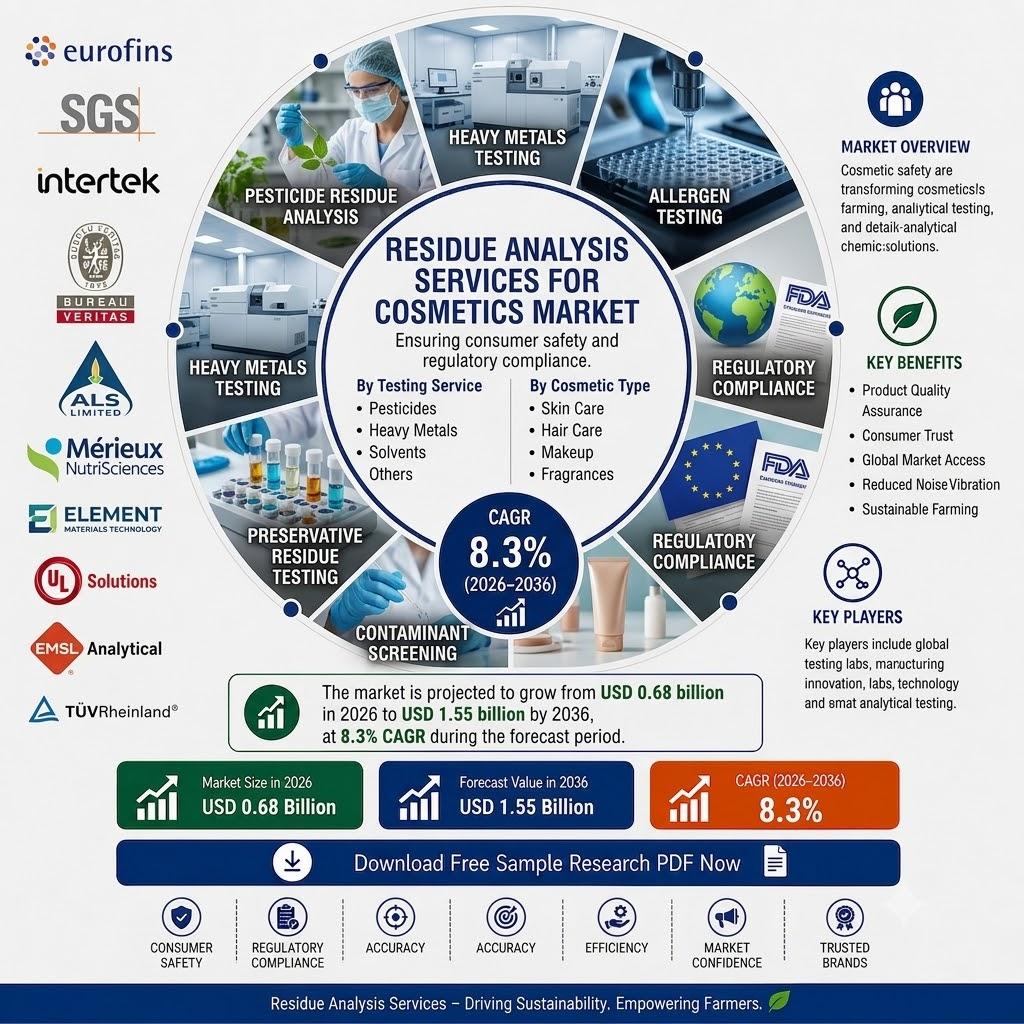
The global Residue Analysis Services for Cosmetics Market is projected to increase from USD 0.68 billion in 2026 to USD 1.55 billion by 2036, advancing at a CAGR of 8.3% during the forecast period, according to Fact.MR analysis. The market is expected to expand by 127.9% over the ten-year period, with preservatives and allergens testing accounting...
Since its debut on October 1st, Call of Duty: Mobile has swiftly established itself as a major player in the mobile gaming arena. Despite unexpected changes like the sudden removal of controller support, the game’s popularity shows no signs of waning. It has rapidly climbed the charts, surpassing well-known competitors such as Fortnite and PUBG Mobile. Industry analytics firm Sensor...

Controlled environments are essential in industries where precision, safety, and contamination control are critical. Advanced Clean Room Partition systems provide structural strength, seamless integration, and airflow management, creating stable conditions that meet regulatory and operational standards. Facilities adopting these solutions benefit from uninterrupted workflows and consistent...

The Pokémon TCG Pocket community is eagerly awaiting the launch of the upcoming mini set expansion, designated as a3b. Scheduled for release on June 26, 2025, at 6:00 am UTC, this set promises to introduce fresh gameplay options. Included with the release is a specially themed booster pack that highlights Eevee and its evolutions, along with additional new cards designed to bolster the...
How are we presently 10 months during this NFL year?And how are the Patriots at the moment sitting down at 82? With street wins higher than the Payments and Buccaneers?I'll convey to yourself how: which include Tony Romo reported inside yesterday's broadcast, this personnel is D.T.F.I have on't recall what Romo crammed out individuals letters with Made the decision, Gifted, Instant? Deep,...