


 Crypto.
 About
About
 Passport
 Conference call
 send money
 Terms
Terms
 Privacy
 Sierra market
Diablo II: Resurrected – The Endless Hunt for Rune Words and Terror Zones
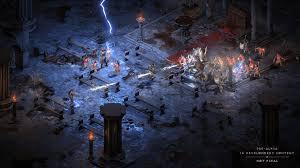
Some games are remembered fondly but left in the past. Others refuse to stay there.diablo2 resurrected is the latter. Blizzard Entertainment’s remaster of the 2000 action RPG classic has proven that great gameplay is timeless. The graphics have been modernized, the sound has been remastered, and the online infrastructure has been rebuilt. But the soul of the game remains unchanged. Two systems, more than any others, keep players grinding Sanctuary for thousands of hours: the transformative power of Rune Words and the dynamic challenge of Terror Zones.
Rune Words are the secret language of power in Diablo II. Scattered across Sanctuary are small stones called runes. Alone, they offer minor bonuses. An Eth rune reduces enemy defense. A Tir rune restores mana after each kill. The real magic happens when you combine them. Insert runes into a grey-quality socketed item in a specific sequence, and you create a Rune Word. The results are often game-breaking. The rune word Spirit (Tal + Thul + Ort + Amn) turns a simple sword or shield into a caster’s best friend, granting faster cast rate, increased mana, higher vitality, and bonus resistances. The rune word Insight (Ral + Tir + Tal + Sol) gives your mercenary an aura that regenerates your mana almost instantly, freeing spellcasters from chugging potions every few seconds.
At the highest level, Rune Words become the most valuable items in the game. Enigma (Jah + Ith + Ber) gives any class the ability to teleport, a skill once exclusive to Sorceresses. This single item changes how you play, allowing you to skip walls, reposition instantly, and farm bosses in seconds. Grief (Eth + Tir + Lo + Mal + Ral) is the melee weapon of choice for Paladins and Barbarians, adding massive flat damage that ignores most enemy defenses. The hunt for the high runes required for these items—Ber, Jah, Lo, and Zod—is the true endgame. Drop rates are brutally low. You can clear the Chaos Sanctuary, the secret cow level, and Baal’s throne room thousands of times without seeing a single high rune.
This scarcity fuels a vibrant player-driven economy. Runes become currency. Players trade items for runes, break high runes into lower ones for exact change, and haggle over values on trading forums. A single Ber rune can buy you a full set of gear for a new character. The thrill of seeing a red Ber rune drop from a random monster in the River of Flame is unmatched in modern gaming.
Terror Zones arrived in a later patch and revitalized the endgame. Before Terror Zones, high-level players had limited options. You ran Baal, Diablo, or Mephisto repeatedly. You cleared the same level 85 areas like The Pit or Ancient Tunnels. It worked, but it grew repetitive. Terror Zones fixed this by rotating every hour. A different area of Sanctuary becomes a Terror Zone. Monsters in that zone scale to your character level or higher, granting increased experience and improved drop rates. Most importantly, Terror Zones can drop Sunder Charms.
Sunder Charms break immunities. In Hell difficulty, most monsters have immunity to at least one damage type. A fire Sorceress cannot damage fire-immune enemies. A lightning Amazon is useless against lightning-immune ghosts. Before Sunder Charms, you had to build hybrid characters or rely on a mercenary. Sunder Charms change this. A Flame Rift Sunder Charm reduces fire immunity to resistance, allowing your fire Sorceress to damage every enemy in the game. This one change dramatically increases build diversity.
Diablo II: Resurrected is not a nostalgic relic. It is a living game with seasonal ladders, balance patches, and an active community. Whether you are hunting for a Ber rune or farming Terror Zones for a perfect Sunder Charm, the grind never ends. Sanctuary is waiting. The chase continues.
Bub
Do?

Categories
Read More
The world of modern agriculture depends heavily on versatility, efficiency, and the ability to switch between multiple implements quickly. One of the most important innovations that makes this possible is the 3 point tractor hitch system. When paired with a reliable John Deere attachment, this system becomes a powerful solution for farmers, landowners, and equipment operators who need...
As per Market Research Future analysis, the Dry Sweetener Market Size was estimated at 3.421 USD Billion in 2024. The Dry Sweetener industry is projected to grow from 3.558 USD Billion in 2025 to 5.273 USD Billion by 2035, exhibiting a compound annual growth rate (CAGR) of 4.01% during the forecast period 2025 - 2035. Rising demand for reduced-sugar bakery products,...
Using a Vanilla gift card for online shopping is straightforward once you understand what’s required. These cards run on the Visa network, so you can use them on any site that accepts Visa debit or credit cards, as long as the merchant allows prepaid cards. Before you start, confirm that the store you’re shopping from supports prepaid payments—some websites restrict them for...

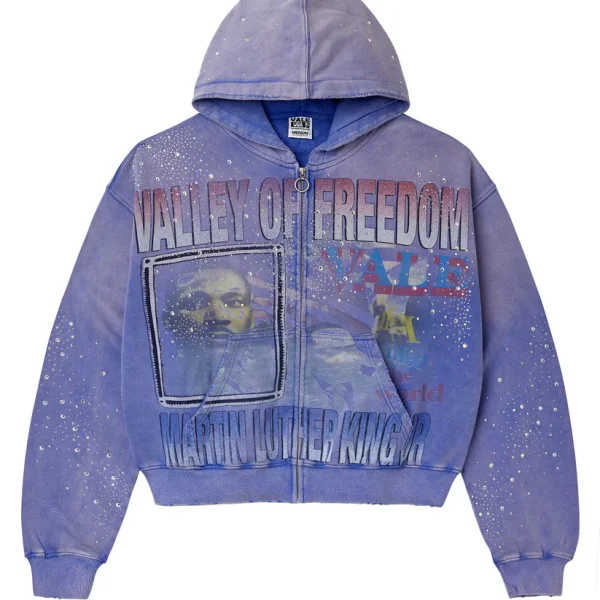
Vale Forever and the Everyday Confidence of Modern Streetwear Modern streetwear has become a practical way for people to express confidence without sacrificing comfort. Relaxed silhouettes, layered combinations, useful accessories, and carefully chosen colors can create outfits that feel natural while still appearing intentional. Vale Forever can be explored within this modern approach, where...
Film Adaptation of Novel Edward Berger's cinematic journey continues with his latest literary adaptation, bringing Lawrence Osborne's 2014 novel to life on the silver screen. Following his acclaimed work on "All Quiet on the Western Front" and "Conclave," the German filmmaker now delves into the shadowy world of high-stakes gambling. Colin Farrell steps into the role of Lord Doyle in this...
