


 Crypto.
 Σχετικά
 Passport
 Conference call
 send money
 Όρους
Όρους
 Ιδιωτικότητα
 Sierra market
Q-Switched Laser for Acne Scars: Myth or Effective Solution?
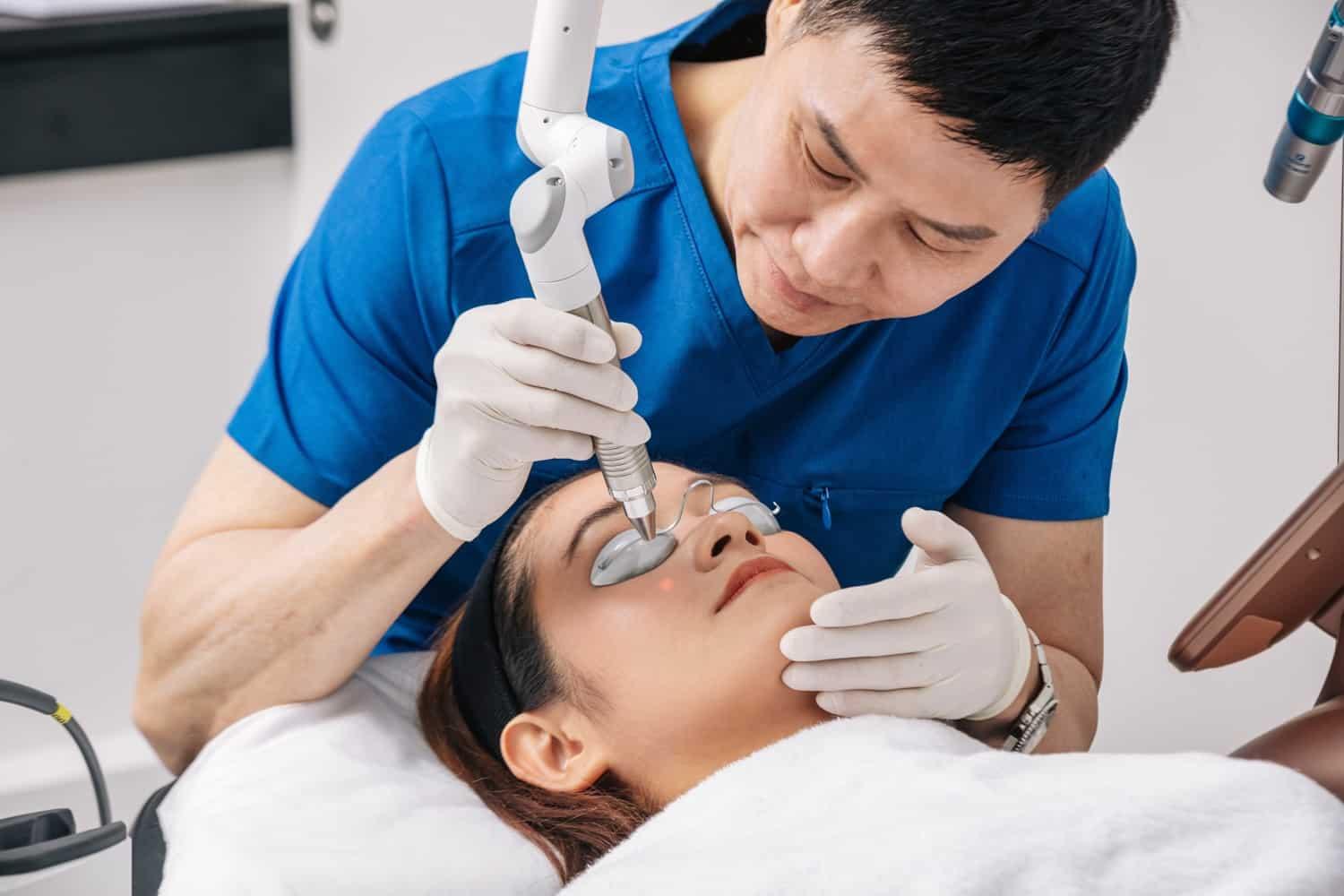
Acne scars can be persistent and emotionally frustrating, leading many people to explore advanced dermatological treatments. One option often discussed is Q-switched Laser Treatment Riyadh, a procedure widely known for targeting pigmentation and skin imperfections. But when it comes to acne scars specifically, the question remains: is it truly effective, or just another overhyped cosmetic solution? Understanding how this laser works and what types of scars it can improve is essential before deciding if it fits your skincare goals.
Understanding Acne Scars and Their Types:
Acne scars are not all the same, and their structure plays a major role in how well they respond to laser treatments. Some scars affect only pigmentation, while others involve deeper texture changes in the skin. Q-switched lasers interact primarily with pigment rather than deeply reshaping skin tissue, which makes their effectiveness dependent on the type of scarring present. The main types include:
- Post-inflammatory hyperpigmentation (dark marks left after acne).
- Atrophic scars (depressed or pitted scars).
- Hypertrophic scars (raised scar tissue).
- Mixed scars combining texture and pigmentation changes.
Understanding these differences helps determine whether a Q-switched laser is appropriate or if a combination treatment approach is needed.
How Q-Switched Laser Works on Skin:
Q-switched lasers deliver short, high-energy pulses that break down pigment particles in the skin without causing extensive damage to surrounding tissue. This makes them highly effective for discoloration but less impactful on deep structural scarring. The laser energy is absorbed by melanin or ink particles, which are then gradually cleared by the body’s natural processes. Its precision allows for controlled treatment, making it a common choice in modern dermatology for pigmentation-related concerns.
Can Q-Switched Laser Treat Acne Scars?:
The effectiveness of Q-switched lasers for acne scars depends on whether the scars are pigment-based or texture-based. While it is not primarily designed for deep pitted scars, it can significantly improve post-acne pigmentation and skin tone irregularities. In many cases, it is used as part of a combination treatment plan rather than a standalone solution. Patients seeking Q-switched Laser Treatment Riyadh often see the best results when pigmentation is the main concern rather than deep structural damage.
Benefits for Acne-Related Skin Concerns:
Although not a complete solution for all acne scars, Q-switched laser technology offers several benefits for acne-affected skin. These include:
- Reduction in dark acne marks and pigmentation.
- Improvement in overall skin brightness and tone.
- Minimal downtime compared to more aggressive resurfacing treatments.
- Non-invasive approach with no surgical intervention.
- Gradual enhancement of skin clarity over multiple sessions.
- Suitable for various skin types when properly adjusted.
Limitations You Should Know:
Despite its advantages, Q-switched laser treatment has certain limitations when addressing acne scars. It does not significantly remodel deep collagen damage, which is often responsible for pitted or indented scars. Because of this, results may be modest for severe scarring unless combined with other treatments. Key limitations include:
- Limited effect on deep atrophic scars.
- Multiple sessions may be required for visible improvement.
- Not a standalone solution for severe texture irregularities.
- Results vary depending on skin type and scar severity.
- Requires realistic expectations for long-term outcomes.
Ideal Candidates for Treatment:
Not everyone with acne scars will benefit equally from Q-switched laser procedures. Ideal candidates are typically those with pigmentation issues rather than deep structural scarring. A professional consultation is necessary to evaluate skin condition and treatment suitability. Suitable candidates often include:
- Individuals with post-acne dark spots.
- Patients with mild textural irregularities.
- Those seeking overall skin brightening.
- People who prefer non-invasive procedures.
- Individuals with realistic expectations about gradual improvement.
What to Expect During Sessions:
A Q-switched laser session is generally quick and straightforward. The skin is cleansed, protective eyewear is provided, and laser pulses are applied to targeted areas. Patients may feel a light snapping sensation during treatment, but discomfort is usually minimal. Depending on the area size, sessions typically last between 10 to 30 minutes. Mild redness or warmth may appear afterward but usually subsides within a short period.
Side Effects and Recovery:
Recovery after Q-switched laser treatment is generally mild, making it a convenient option for many individuals. However, temporary side effects can occur, especially in sensitive skin types. These may include:
- Slight redness immediately after treatment.
- Mild swelling in treated areas.
- Temporary darkening of pigmentation before fading.
- Minimal peeling or dryness.
- Increased skin sensitivity for a short period.
Proper aftercare, including sun protection and hydration, plays a key role in ensuring smooth healing.
How Many Sessions Are Needed?:
The number of sessions required depends on the severity of pigmentation and overall skin condition. While some patients notice improvement after a few sessions, others may need a longer treatment plan for optimal results. Factors influencing session count include:
- Depth and type of acne scars.
- Skin tone and sensitivity.
- Individual healing response.
- Treatment goals and expectations.
- Combination with other dermatological procedures.
Consistency is important for achieving gradual and lasting improvement.
Combining Q-Switched Laser With Other Treatments:
For deeper acne scars, dermatologists often recommend combining Q-switched laser therapy with other procedures to achieve more comprehensive results. This multimodal approach helps address both pigmentation and texture concerns. Common combination treatments include:
- Microneedling for collagen stimulation.
- Fractional laser resurfacing for deeper scars.
- Chemical peels for surface renewal.
- Topical retinoids for skin texture improvement.
- PRP therapy for enhanced healing and regeneration.
Such combinations significantly improve overall skin quality compared to single-treatment approaches.
Final Thoughts:
Q-switched lasers are not a miracle cure for all types of acne scars, but they are highly effective for treating pigmentation and improving overall skin tone. When used appropriately, they can play a valuable role in a broader acne scar treatment plan. Individuals considering Q-switched Laser Treatment Riyadh should have realistic expectations and understand that the best outcomes often come from combination therapies tailored to their specific skin needs. With proper assessment and consistent care, noticeable improvement in acne-related skin concerns is achievable.
Bub
Do?

Κατηγορίες
Διαβάζω περισσότερα
I’ve been spelunking through Pharloom for months now, and even in 2026, Hollow Knight: Silksong still finds ways to knock the wind out of me. The sheer density of secrets in this game is absurd – every crumbly wall, every shimmering crevice, every suspiciously quiet room holds something that could flip your entire playthrough on its head. But after countless hours farming Rosaries...

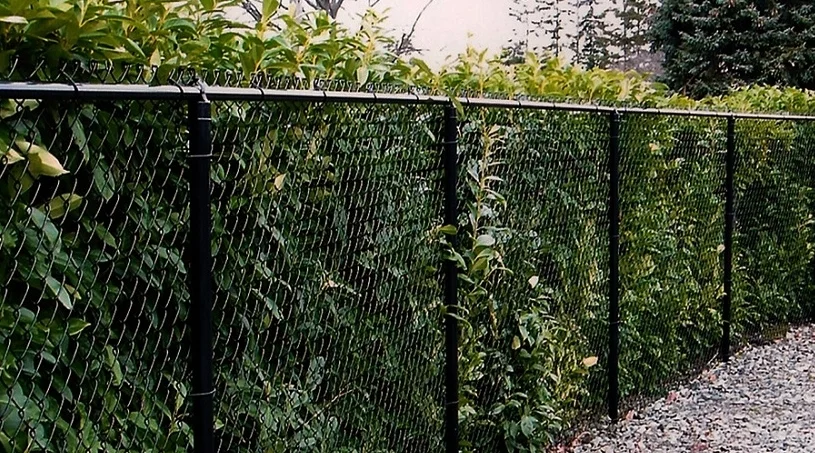
What Makes Galvanized Chain Link Fencing a Practical Choice? Chain Link Galvanized Asheville fencing is a practical solution for property owners who want a durable, functional, and attractive boundary without choosing a complicated fencing system. Galvanized chain link is coated with zinc to help protect the steel from moisture, rust, and everyday outdoor exposure. This protective coating...
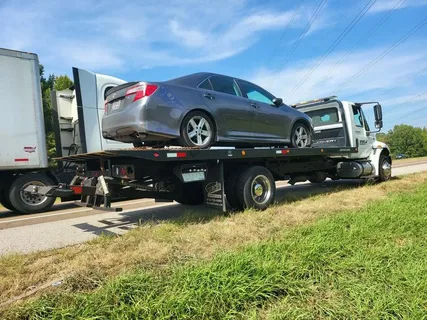
Unexpected vehicle problems can create stress, especially when drivers are worried about expensive service costs. Finding Cheap Towing Edmonton options helps customers receive professional assistance without exceeding their budget. A reliable towing company can provide affordable solutions while maintaining safety and quality. When searching for Cheap Towing Edmonton, drivers want more than...
Am 27. Februar steht der Pokémon Day ganz im Zeichen großer Überraschungen und neuer Enthüllungen. Neben der Veröffentlichung der beiden klassischen Pokémon-Spiele für die Konsole wird ein spezieller Stream ab 15 Uhr deutscher Zeit ausgestrahlt, der spannende Einblicke in die Zukunft des Franchises verspricht. Nintendo hält sich bislang bedeckt und...
The cybersecurity landscape remains stubbornly stagnant, according to recent vulnerability management data. Half-lives for security flaws persist at roughly one month, with critical vulnerabilities plateauing at 5-10% prevalence rates. Healthcare and manufacturing sectors lag significantly in patch deployment effectiveness. The vulnerability ecosystem shows alarming persistence: 60% of top-20...
