Crypto.
 Über
Über
 Passport
 Conference call
 send money
 Bedingungen
 Datenschutz
 Sierra market
Office Building Window Washing: Why Clean Windows Matter for Modern Workplaces
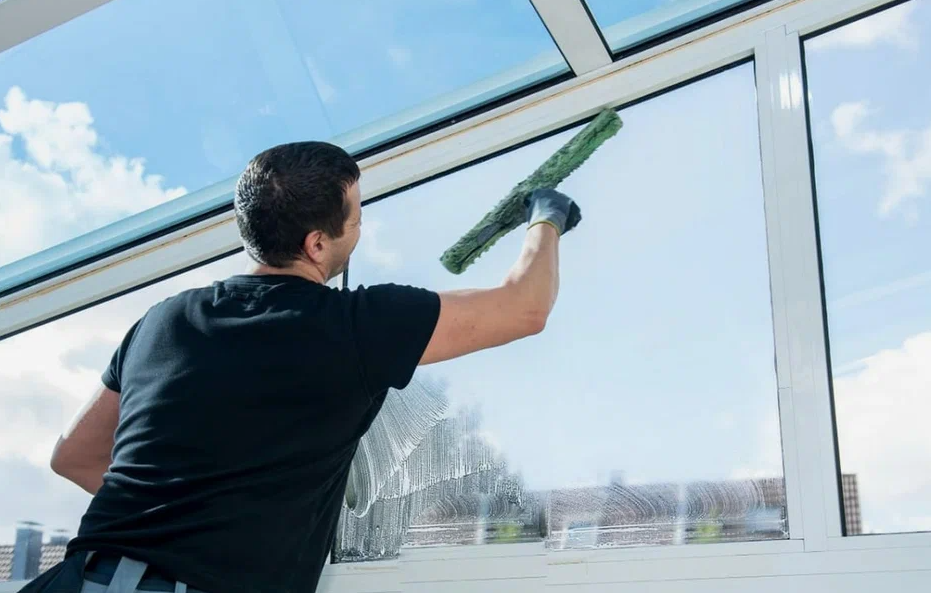
Clean windows are an important but often overlooked part of maintaining a professional office building. Over time, exterior glass collects dust, pollen, pollution residue, water spots, and other debris that can make a property look neglected. Interior glass can also accumulate fingerprints, smudges, and airborne residue. Regular office building window washing helps maintain a cleaner appearance while allowing more natural light to enter workspaces. For businesses, property managers, and facility teams, properly maintained windows can contribute to a more inviting environment for employees, clients, and visitors.
Window maintenance is especially important for office buildings with large glass façades, multiple floors, conference-room windows, entrance glass, and difficult-to-reach surfaces. Unlike residential windows, commercial properties often have a much larger number of panes and may require specialized equipment and carefully planned scheduling. A professional approach can make the process more efficient while reducing disruption to normal business activities. Understanding the key considerations involved in office window maintenance allows building owners and managers to develop a practical cleaning strategy.
Why Clean Windows Are Important for Office Buildings
The condition of a building's windows can influence how the entire property is perceived. Clean glass can make an office exterior appear more organized and well maintained, while heavily stained or dusty windows may create the opposite impression. Inside the building, clear windows allow natural daylight to pass through without being obscured by layers of grime. This can make work areas feel brighter and more welcoming. Windows are also part of the customer experience when clients visit an office, particularly in reception areas, conference rooms, and executive spaces. Regular cleaning therefore supports both property presentation and everyday workplace comfort. Rather than waiting until glass becomes noticeably dirty, facility managers can establish a recurring schedule based on the building's location, exposure, window design, and level of foot traffic.
Understanding the Challenges of Commercial Window Washing
Office buildings can present significantly more complicated cleaning requirements than smaller properties. A commercial building may have several floors, expansive glass panels, narrow access points, skylights, glass doors, and windows positioned above landscaping or other obstacles. Exterior surfaces may also experience different levels of buildup depending on their orientation and exposure to wind, rain, dust, and nearby traffic. Access is one of the most important considerations because cleaning elevated windows requires appropriate equipment and careful procedures. Professional crews may need to work with extension tools, specialized access systems, or other commercial equipment depending on the structure. Weather conditions can also influence scheduling and cleaning quality. Planning around these factors helps prevent unnecessary interruptions and allows the cleaning team to work methodically across the property.
How Often Should Office Windows Be Cleaned?
There is no universal schedule that works for every office building. A property located near a busy roadway may accumulate exterior residue more quickly than a building in a quieter setting. Similarly, offices surrounded by trees may experience greater exposure to pollen, leaves, and organic debris. Interior windows near entrances, employee common areas, and frequently used doors may require more frequent attention because they are exposed to fingerprints and everyday contact. Many businesses benefit from establishing a recurring cleaning schedule rather than relying on occasional service. Some properties may require more frequent exterior cleaning, while interior glass may be maintained on a different timetable. Facility managers should evaluate the building's appearance, environmental exposure, occupancy, and customer traffic when determining an appropriate interval.
Safety Should Be a Priority in Commercial Window Washing
Safety is one of the most important aspects of office building window washing, particularly when workers must access elevated or difficult-to-reach glass. Commercial properties can involve ladders, lifts, specialized access equipment, wet surfaces, electrical hazards, landscaping obstacles, and pedestrian traffic. A professional cleaning plan should account for these conditions before work begins. Appropriate equipment and established safety procedures can help reduce risks to workers, occupants, and visitors. Scheduling can also be arranged to minimize interaction between cleaning activities and normal office operations. For example, certain exterior work may be more practical outside peak business hours, while interior cleaning can be coordinated around meetings and high-traffic periods. Treating safety as part of the service rather than an afterthought creates a more organized and responsible maintenance process.
The Value of Professional Window Cleaning for Businesses
Hiring professionals can be particularly useful when an office building has a large number of windows or surfaces that are difficult for employees to access. Commercial cleaning teams typically have the equipment and experience needed to handle larger properties efficiently. Professional service can also produce more consistent results across an entire building, which is difficult to achieve when cleaning is performed irregularly or by different individuals. Another benefit is time. Employees and administrative staff can focus on their primary responsibilities instead of spending hours attempting to clean large areas of glass. Professional maintenance can also reduce the likelihood of improper cleaning techniques that leave streaks or potentially damage delicate surfaces. For property managers, outsourcing this specialized task can simplify facility planning and provide a clearer maintenance routine.
Preparing an Office Building for Window Washing
Preparation can make commercial window cleaning smoother and less disruptive. Building managers should communicate access requirements, identify sensitive areas, and inform occupants about scheduled work when necessary. Interior areas near windows may need to be cleared of small objects, paperwork, or equipment so cleaners can reach the glass safely. Security procedures should also be communicated when cleaning teams need access to restricted areas. For exterior work, managers may need to coordinate parking areas, entrances, pedestrian routes, or landscaping access. Identifying unusual window features in advance can also help the cleaning company prepare appropriate tools. Clear communication between the facility team and service provider reduces delays and allows both parties to understand what will be cleaned and how the work will be completed.
Choosing the Right Commercial Window Washing Service
Selecting a window cleaning provider should involve more than comparing basic prices. Building managers should consider experience with commercial properties, safety practices, equipment capabilities, scheduling flexibility, and the scope of services offered. It is helpful to determine whether the provider can handle both interior and exterior glass, multiple floors, glass doors, screens, frames, or other related areas when required. Communication is equally important. A dependable service provider should be able to explain the proposed process, identify potential access challenges, and establish realistic expectations regarding timing and results. Businesses should also look for consistency because commercial window maintenance is usually an ongoing responsibility rather than a one-time project. Choosing a provider based on reliability and suitability for the building can create a more effective long-term maintenance arrangement.
Long-Term Benefits of Consistent Window Maintenance
Regular window washing supports the overall appearance and upkeep of an office building. Clean glass can help a property maintain a professional presentation throughout the year instead of requiring major cleaning efforts after long periods of neglect. Routine service also creates opportunities to notice issues such as damaged frames, deteriorating seals, cracked panes, or other visible concerns that may require separate attention. While window cleaning does not replace professional inspection or repair, clean surfaces can make developing problems easier to recognize. Consistent maintenance can also help facility managers plan expenses and scheduling more effectively because cleaning becomes part of a predictable building-care routine. For companies that want their workplaces to consistently look organized and professional, regular window maintenance is a relatively straightforward aspect of broader property management.
Conclusion
Office building window washing is an important component of commercial property maintenance, combining appearance, convenience, safety, and practical upkeep. Clean windows can create a stronger first impression, improve the visual quality of workspaces, and help businesses maintain a consistently professional environment. Because commercial buildings vary greatly in size, design, accessibility, and exposure to outdoor contaminants, the most effective approach is to develop a cleaning schedule based on the property's specific needs. By prioritizing professional methods, appropriate safety practices, clear communication, and dependable scheduling, building owners and facility managers can keep their windows looking clean while minimizing disruption to daily operations. A well-planned window maintenance program ultimately supports a cleaner, more welcoming, and better-presented workplace.
Bub
Do?

Kategorien
Mehr lesen
Market Overview The Rat Antibody Market is a fundamental and stable segment of the life sciences tools industry, providing essential reagents for a vast array of research and diagnostic applications. Rat monoclonal and polyclonal antibodies are invaluable tools for studying proteins, identifying disease markers, and developing new therapies. Their high specificity and versatility make them...

Daybreak Games recently surprised the EverQuest II community by announcing the revival of the retired Nagafen server as a free-for-all PvP seasonal beta. Borrowing heavily from the earlier Deathtoll server, this iteration features scoreboards, free trade, a one-character-per-account limit, and rebalanced stats. The plan was to launch the server for subscribers on February 5, but a last-minute...
Introduction: TOTW 20 Overview and Key Highlights TOTY and its honourable mentions have dominated recent promotions, so expectations for this week's TOTW were modest. Despite this, several standout players could make the cut. Maignan is in line for his second in-form card, while Dimarco's performance may earn him a coveted Gullit Gang status. Additionally, both Toney and Endrick are strong...
The Quantum Distribution QKD Market analysis highlights the increasing adoption of quantum-based security solutions as organizations worldwide seek protection against advanced cyber threats. Quantum Distribution QKD Market Size was valued at 520 USD Million in 2024, with expectations of reaching 8 USD Billion by 2035. The market is projected to expand from 670 USD Million in 2025,...
It also took 400 hours to create the white strapless gown worn by Amanda, complete with a dramatic stole. Get to remix your closet because the styling trick of the season was all about making a great pair. It's well known by now that the bulk of fashion emissions are classified as Scope 3 indirect emissions throughout a brand's whole supply chain making it an area prime for innovation. This is...