


 Crypto.
 About
About
 Passport
 Conference call
 send money
 Terms
Terms
 Privacy
 Sierra market
Can an IV Drip Help With Dehydration?
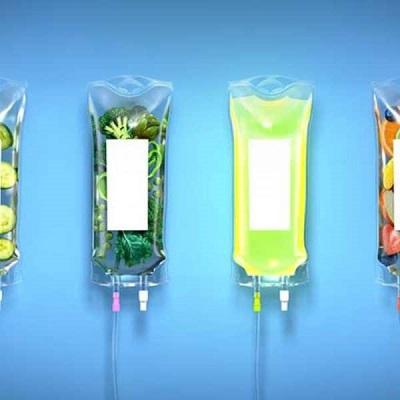
Dehydration happens when the body loses more fluids than it takes in. It can develop after intense exercise, hot-weather exposure, illness, vomiting, diarrhea, or simply not drinking enough water throughout the day. Mild dehydration can often improve with increased fluid intake, but more significant dehydration may require medical attention.
An IV Drip is one treatment option that can help restore fluids directly into the bloodstream. Because intravenous fluids bypass the digestive system, they can be useful when someone cannot drink enough or is unable to absorb fluids effectively.
However, an IV Drip is not necessary for every case of dehydration. The right approach depends on the severity and cause of fluid loss, as well as the person's overall health.
What Is Dehydration and Why Does It Happen?
Dehydration occurs when the body loses more water and electrolytes than it replaces. Water plays an important role in almost every bodily function, including regulating temperature, supporting circulation, helping the kidneys work properly, and maintaining normal cellular activity.
Common causes of dehydration include:
-
Heavy sweating during exercise or hot weather
-
Fever
-
Vomiting
-
Diarrhea
-
Insufficient fluid intake
-
Prolonged physical activity
-
Certain illnesses
-
Some medications that increase fluid loss
Mild dehydration may cause thirst, dry mouth, darker-than-usual urine, tiredness, headache, and dizziness. As dehydration becomes more severe, symptoms can become more concerning. Confusion, fainting, very little urination, rapid heartbeat, severe weakness, or difficulty staying awake can indicate a situation that requires prompt medical evaluation.
Recognizing dehydration early is important because the body needs adequate fluid and electrolyte levels to function normally.
How Can an IV Drip Help With Dehydration?
An IV Drip delivers fluids through a small catheter placed into a vein. Instead of passing through the digestive system, the fluid enters the bloodstream directly.
Depending on the person's needs, intravenous fluids may contain water along with electrolytes such as sodium and chloride. The specific type and amount of fluid should be determined by an appropriately qualified healthcare professional.
This direct delivery can be particularly helpful when dehydration is more significant or when oral fluids are difficult to tolerate. For example, someone experiencing repeated vomiting may struggle to keep water down. In such circumstances, intravenous hydration can provide a practical way to restore fluids while the underlying problem is assessed.
An IV Drip may also be considered when fluid losses are substantial and oral hydration alone is not sufficient. The treatment does not simply replace "water"; it can help restore the body's fluid balance in situations where medical professionals determine that intravenous therapy is appropriate.
When Is an IV Drip Considered for Dehydration?
Not every dehydrated person needs intravenous fluids. Mild dehydration is generally managed by drinking appropriate fluids and addressing the cause of fluid loss.
An IV Drip may be considered when dehydration is more pronounced or when oral hydration is not practical. Situations that may require medical assessment include:
Persistent Vomiting or Diarrhea
Repeated vomiting or diarrhea can cause significant fluid and electrolyte losses. If a person cannot keep fluids down, healthcare professionals may consider intravenous hydration.
Significant Fluid Loss
People who have experienced substantial sweating, illness, or other forms of fluid loss may sometimes require more rapid fluid replacement.
Difficulty Drinking
Certain illnesses or medical circumstances can make drinking enough fluid difficult. In those cases, intravenous fluids may be considered under professional supervision.
More Serious Dehydration Symptoms
Severe weakness, confusion, fainting, markedly reduced urination, or other concerning symptoms should not be treated as a routine hydration issue. They can indicate a more serious condition requiring urgent medical evaluation.
An IV Drip should therefore be viewed as a medical treatment rather than simply a faster version of drinking water.
IV Drip vs. Drinking Fluids: Which Is Better?
For ordinary mild dehydration, drinking fluids is usually the simplest and most appropriate approach. Water and suitable oral rehydration solutions can provide hydration without the need for an intravenous procedure.
An IV Drip has a different role. It can deliver fluids directly into the bloodstream when oral hydration is insufficient, poorly tolerated, or medically inappropriate.
The difference can be summarized simply:
Oral hydration:
Drinking fluids allows the digestive system to absorb water and electrolytes. It is convenient, non-invasive, and suitable for many everyday cases of mild dehydration.
IV hydration:
An IV Drip delivers fluids directly into a vein. It may be useful when dehydration is more significant or when someone cannot adequately drink or retain fluids.
Neither option is universally "better." The appropriate choice depends on the person's symptoms, fluid losses, medical history, and ability to drink.
What Happens During an IV Drip for Dehydration?
When intravenous hydration is considered appropriate, the process generally begins with an assessment. A healthcare professional may review symptoms, recent fluid losses, medical history, medications, and other relevant factors.
The IV line is then placed into a vein, commonly in the arm or hand. The selected fluid is delivered gradually through the line while the person is monitored.
The duration can vary depending on the type and amount of fluid being administered and the individual's circumstances. Some people may notice improvement in symptoms as their fluid balance begins to recover, but the underlying cause of dehydration still needs attention.
For example, if dehydration resulted from vomiting, treating the dehydration alone does not necessarily resolve the reason the vomiting occurred. Likewise, dehydration caused by an infection, heat illness, or another medical condition may require additional care.
A healthcare professional may also determine whether electrolyte replacement or further investigation is appropriate.
Are There Risks or Side Effects of an IV Drip?
Although IV hydration can be beneficial when medically indicated, it is not completely risk-free.
Possible issues can include discomfort or bruising where the IV is inserted, irritation of the vein, infection, or leakage of fluid into the surrounding tissue. More importantly, giving too much fluid or using an inappropriate fluid composition can cause complications, particularly in people with certain heart, kidney, or other medical conditions.
This is why intravenous hydration should be administered by appropriately trained healthcare professionals rather than treated as a routine wellness procedure for everyone.
People with underlying medical conditions should provide a complete medical history before receiving IV fluids. Professional assessment helps determine whether an IV Drip is appropriate and what type of fluid is suitable.
It is also important to seek urgent medical care when dehydration symptoms are severe. An IV Drip should not delay evaluation for a potentially serious underlying condition.
How to Prevent Dehydration
Preventing dehydration is often easier than treating it after it develops. Regular fluid intake is particularly important during hot weather, exercise, travel, illness, or any situation involving increased fluid loss.
Several practical habits can help:
-
Drink fluids regularly rather than waiting until extreme thirst develops.
-
Increase fluid intake during prolonged physical activity or hot conditions.
-
Replace fluids lost through heavy sweating.
-
Consider appropriate oral rehydration solutions when significant fluid and electrolyte losses occur.
-
Pay attention to urine color and frequency as general indicators of hydration.
-
During illness, take small, frequent sips if drinking large amounts is difficult.
-
Seek medical advice when vomiting or diarrhea persists.
People who are older, very young, physically active, or living with certain medical conditions may need to pay particular attention to hydration.
The most important point is that hydration needs vary. There is no single amount of fluid that is ideal for every individual in every situation.
Frequently Asked Questions
1. Can an IV Drip treat dehydration?
Yes, an IV Drip can help restore fluids and electrolytes in people with dehydration when intravenous treatment is medically appropriate. It is particularly useful when someone cannot drink enough, cannot keep fluids down, or has more significant fluid losses. Mild dehydration can often be managed with oral fluids instead.
2. How quickly can an IV Drip help with dehydration?
Some people may begin to feel better as fluids are administered, but the timing varies according to the severity and cause of dehydration. Symptoms such as dizziness or weakness may have several possible causes, so improvement should not be assumed to come from hydration alone.
3. Is an IV Drip better than drinking water?
Not necessarily. Drinking water or appropriate oral fluids is usually sufficient for mild dehydration and avoids the risks associated with an IV procedure. An IV Drip has a more specific role when oral hydration is inadequate or unsuitable.
4. How often can someone receive an IV Drip for dehydration?
There is no universal schedule. The need for IV fluids depends on why dehydration is occurring and the person's medical condition. Repeated dehydration should be evaluated rather than routinely treated with IV fluids without identifying the underlying cause.
5. Are IV Drips safe for everyone?
IV fluids can be safe when appropriately selected and administered, but they are not suitable for everyone. People with certain heart, kidney, or other health conditions may require special consideration. A qualified healthcare professional should assess whether intravenous hydration is appropriate.
6. When should someone seek medical help for dehydration?
Medical attention is important when dehydration is severe, symptoms are worsening, fluids cannot be kept down, urination becomes very limited, or symptoms such as confusion, fainting, severe weakness, or unusual drowsiness occur. These signs can indicate a more serious medical problem requiring prompt assessment.
Final Thoughts
An IV Drip can be an effective way to restore fluids when dehydration is significant or when drinking fluids is not possible or sufficient. Because intravenous hydration delivers fluid directly into the bloodstream, it can be useful in carefully selected situations.
However, an IV Drip is not automatically the best solution for every case of dehydration. Mild dehydration can often be managed with appropriate oral fluids, while more serious dehydration may require professional assessment and treatment.
The safest approach is to consider the cause and severity of dehydration rather than focusing only on replacing fluids. Anyone experiencing severe or persistent symptoms should seek appropriate medical care, particularly when vomiting, diarrhea, fainting, confusion, or markedly reduced urination is involved.
Read More About IV Drip: https://tanbat.com/articles/iv-drip-for-fatigue-benefits-and-expectations-7onrcl
Bub
Do?

Categories
Read More
Gas supply infrastructure is evolving towards more flexible and decentralized models, with virtual pipelines becoming a critical component of the modern energy logistics system, enabling rapid response to changing supply and demand dynamics. Industry observations from Market Research Future highlight that the virtual pipelines market is projected to grow from USD 2.575 billion in 2025 to...

Capcom cut a 'phantom' Chapter 2 from Resident Evil: Requiem during development, according to director Koshi Nakanishi. In an interview with Denfaminicogamer, Nakanishi drew a parallel to a similar cut from Resident Evil 7's development, noting that the studio frequently revises or removes content early in the process. The director declined to specify what the excised chapter would have shown...

Ultra Beast Drop Event Guide Participating in the Ultra Beast Drop Event offers players a fantastic opportunity to obtain exclusive alternate art cards from Promo Pack A Series Vol. 9 without any cost during the event window. To maximize your rewards, engage in a series of limited-time solo battles, which not only grant valuable prizes but also help you accomplish special battle objectives....
Honing Your Gaming and Community Engagement Sharing options include copying the link, or posting to platforms like Facebook, X, WhatsApp, Reddit, Pinterest, Flipboard, and email. Engage with the community by joining the conversation and following us for updates. Add us as a preferred source on Google to stay connected. Subscribe to the PC Gamer newsletter to receive curated stories and...
Self Balancing Mobility Market Summary “The global Self Balancing Mobility Market is expected to reach to USD 33.5 billion by 2032, growing at a CAGR of 33.5% during 2025 to 2032” The TrendBridge Insights Research report, “Global Self Balancing Mobility Market Report 2025 – Future Opportunities, Latest Trends, In-depth Analysis, and Forecast To 2032”,...
