


 Crypto.
 Sobre
Sobre
 Passport
 Conference call
 send money
 Termos
 Privacidade
 Sierra market
LEI Renewal: Process, Requirements, Benefits and Compliance Guide
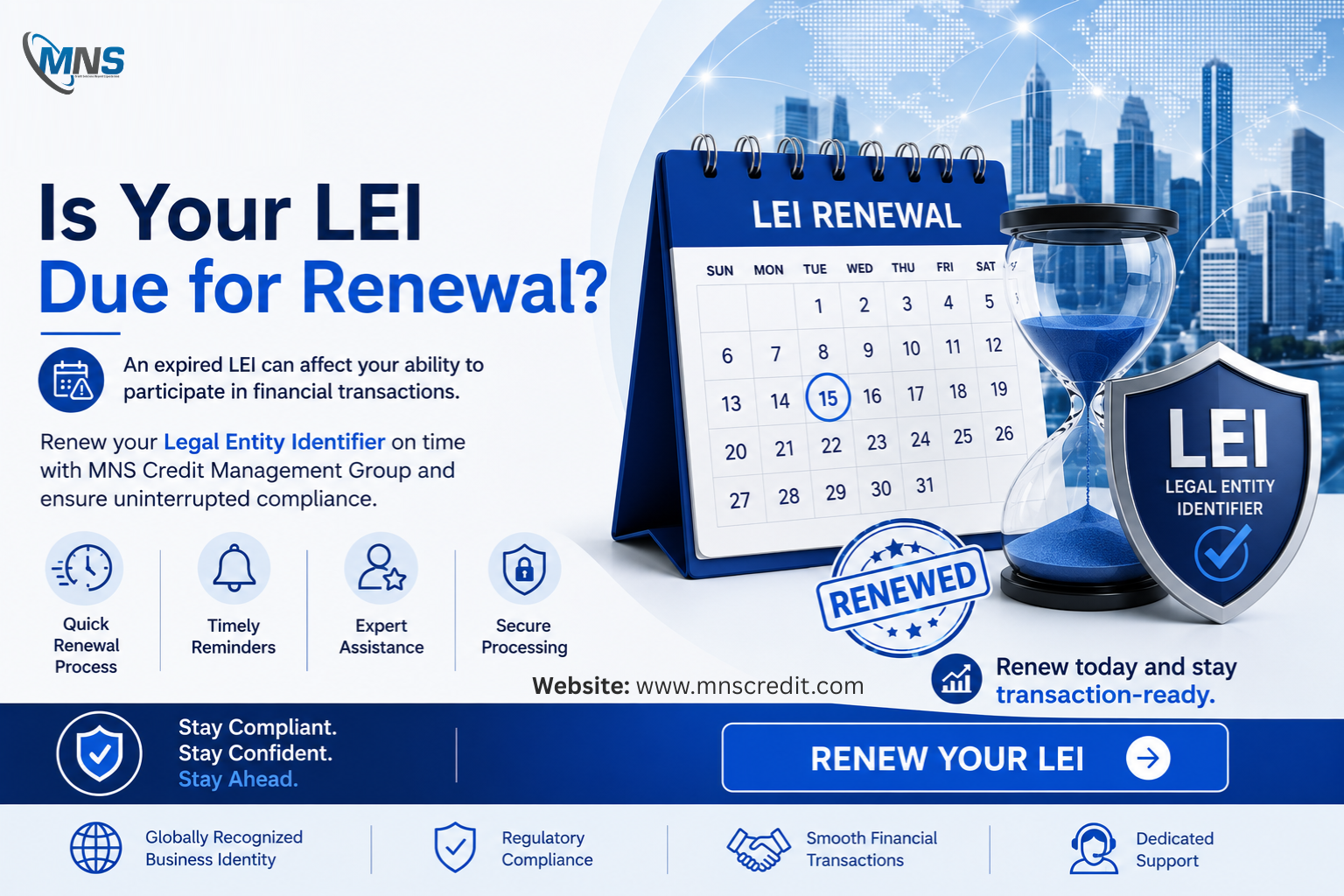
A Legal Entity Identifier (LEI) is an important global identifier used to identify businesses and other legal entities participating in financial transactions. Since LEI information can change over time, entities must keep their records current through LEI Renewal. An expired or lapsed LEI can create compliance issues and may affect access to certain regulated financial transactions.
For organizations involved in banking, capital markets, securities trading, lending, investment, or cross-border financial activities, timely LEI renewal helps maintain accurate entity information and supports regulatory requirements.
What Is LEI Renewal?
LEI Renewal is the process of updating and validating an existing Legal Entity Identifier so that its registration remains active and its associated entity information stays current.
An LEI generally has a one-year validity period. During renewal, the registration details are reviewed and, where necessary, updated. The renewal process confirms that the legal entity continues to exist and that the information associated with its LEI remains accurate.
The renewal may involve reviewing details such as:
- Legal entity name
- Registered address
- Registration number
- Entity status
- Parent or ownership information, where applicable
- Other reference data maintained in the LEI system
Why Is LEI Renewal Important?
Maintaining an active LEI is important for organizations subject to regulations or financial-market requirements that rely on LEI identification.
Maintains Regulatory Compliance
Certain financial transactions and reporting requirements may require an active LEI. Timely renewal helps businesses avoid issues caused by an expired registration.
Keeps Business Information Updated
Companies can experience changes in their registered address, legal name, ownership structure, or other corporate information. Renewal provides an opportunity to verify and update these records.
Supports Smooth Financial Transactions
Banks, financial institutions, trading platforms, and other counterparties may use LEI information to identify legal entities. An active LEI can help reduce delays caused by outdated registration information.
Improves Business Transparency
An updated LEI record provides counterparties and regulators with reliable information about the legal entity, supporting greater transparency in financial markets.
When Should You Renew an LEI?
LEI renewal is generally required annually. Businesses should not wait until the registration has already expired before starting the renewal process.
Planning the renewal in advance gives the organization sufficient time to:
- Review existing LEI information
- Correct outdated company details
- Provide supporting information if required
- Complete the renewal payment
- Resolve verification issues
Businesses managing multiple legal entities should maintain an internal LEI renewal calendar to prevent accidental lapses.
LEI Renewal Process: Step-by-Step
The exact process can vary depending on the registration provider, but the general procedure is straightforward.
Step 1: Check LEI Status
First, verify whether the existing LEI is active, expired, or requires an update.
Step 2: Review Entity Information
Check the legal name, registered address, registration details, and other information linked to the LEI.
Step 3: Submit the Renewal Request
Submit the renewal application through an authorized LEI registration provider or Local Operating Unit (LOU).
Step 4: Complete Verification
The provider validates the entity information against reliable reference sources and applicable LEI records.
Step 5: Pay the Renewal Fee
The applicable LEI renewal fee is paid according to the provider's pricing and renewal period.
Step 6: Renewal Confirmation
Once the information has been validated and the renewal is completed, the LEI record is updated and its validity period is extended.
What Happens If an LEI Expires?
An expired LEI may create operational and compliance complications, particularly when an active identifier is required for a financial transaction or regulatory reporting.
Possible consequences include:
- Transaction delays
- Additional verification requirements
- Compliance concerns
- Difficulty with certain counterparties
- Outdated entity information remaining in records
For this reason, organizations should treat LEI Renewal as a recurring compliance responsibility rather than a one-time registration task.
Documents and Information Required for LEI Renewal
The requirements depend on the entity type and registration provider. Businesses may need to provide or confirm information such as:
- Certificate of incorporation
- Company registration details
- Legal entity name
- Registered office address
- Registration number
- Authorized representative details
- Parent entity information, where applicable
In many cases, renewal can be completed using existing records if the entity information has not changed. However, any changes should be reported accurately.
LEI Renewal for Businesses in India
Indian companies and financial entities participating in activities covered by applicable regulatory requirements may need to maintain an active LEI. Depending on the transaction and regulatory framework, LEI requirements can apply to areas such as banking, financial markets, and certain high-value transactions.
Businesses should therefore review the requirements applicable to their specific entity and transaction type rather than assuming that every organization has the same LEI obligations.
Company Information and LEI Verification
Before renewing an LEI, businesses should ensure that their corporate information is accurate and consistent across relevant records. Company registration details, legal name, registered address, ownership information, and other corporate data may be reviewed during the verification process. Reliable company information reports and corporate databases can help organizations identify inconsistencies before submitting an LEI renewal request. This is particularly useful for businesses managing multiple entities or undergoing changes in ownership, structure, or registration details.
LEI Renewal Services by MNS Credit Management Group
MNS Credit Management Group provides LEI Registration and Renewal support for businesses that need assistance maintaining their LEI records. Its credit management and business information expertise can help organizations navigate the renewal process, review entity information, and maintain accurate corporate records. For companies involved in domestic or international financial activities, professional support can simplify recurring LEI compliance requirements and reduce the risk of avoidable administrative delays.
Best Practices for LEI Renewal
Businesses can make the renewal process easier by following a few practical measures:
Track Renewal Dates
Maintain a centralized record of LEI expiry dates for every legal entity.
Review Information Regularly
Do not wait for annual renewal to identify changes in company information.
Use Authorized Providers
Work with recognized LEI registration providers to ensure the renewal is handled through the appropriate process.
Maintain Supporting Documents
Keep incorporation, registration, ownership, and other corporate records organized and readily available.
Monitor Regulatory Requirements
LEI requirements can differ depending on the nature of financial activities and applicable regulations. Businesses should monitor relevant requirements regularly.
Conclusion
LEI Renewal is an important part of maintaining an active and reliable Legal Entity Identifier. Timely renewal keeps entity information current, supports regulatory compliance, and can help businesses avoid unnecessary transaction or verification delays.
Rather than treating LEI renewal as a yearly administrative task, businesses should include it within their broader compliance and corporate-data management process. By monitoring renewal dates, reviewing company information, and addressing changes promptly, organizations can maintain accurate LEI records and support smoother financial operations.
Bub
Do?

Categorias
Leia Mais
Team Composition Strategy Strategic team composition is essential for victory in Last War: Survival. Success depends heavily on selecting the right combination of heroes to outmaneuver opponents, whether facing AI-controlled enemies, rival players, or challenging missions. The game features three primary hero categories: tanks, missile vehicles, and aircraft. Each category offers unique...

A vehicle problem can happen when you least expect it. Maybe you are heading home after work, driving through Scranton during a busy afternoon, or starting an early morning trip when your vehicle suddenly refuses to cooperate. Towing Scranton PA can provide valuable assistance when you need a safe way to get yourself and your vehicle off the road. Working with a Dependable tow truck company...

Hey everyone, Week 2 of Celestial Guardians just wrapped with Ursiiday’s Pocket Weekly #28 pulling in 941 players. And let me tell you, this format is evolving at warp speed. The variety is insane—over 270 decks were lumped into “Other.” So let’s break down what happened, which builds are worth your time on the ladder, and what you should keep an eye on. The Big...
Production resumes on Guy Ritchie's criminal saga with cameras rolling for The Gentlemen Season 2. Netflix's acclaimed series expands its scope dramatically, venturing beyond British manor houses into the sun-drenched landscapes of the Italian lakes. Eddie Horniman (Theo James) and Susie Glass (Kaya Scodelario) solidify their partnership atop a volatile criminal empire. Their fragile...
Netflix has forged an exclusive, multi-year partnership with the visionary creators of the global phenomenon 'Dark'. This landmark agreement marks Netflix's first overall series deal in Europe. The creative duo, Jantje Friese and Baran Bo Odar, will develop and produce new series and projects exclusively for the streaming service. Erik Barmack, Netflix's Vice President of International...
