Crypto.
 About
About
 Passport
 Conference call
 send money
 Voorwaarden
 Privacy
 Sierra market
The Business Case for Commercial Hydroseeding Services: Cost, Speed, and Quality
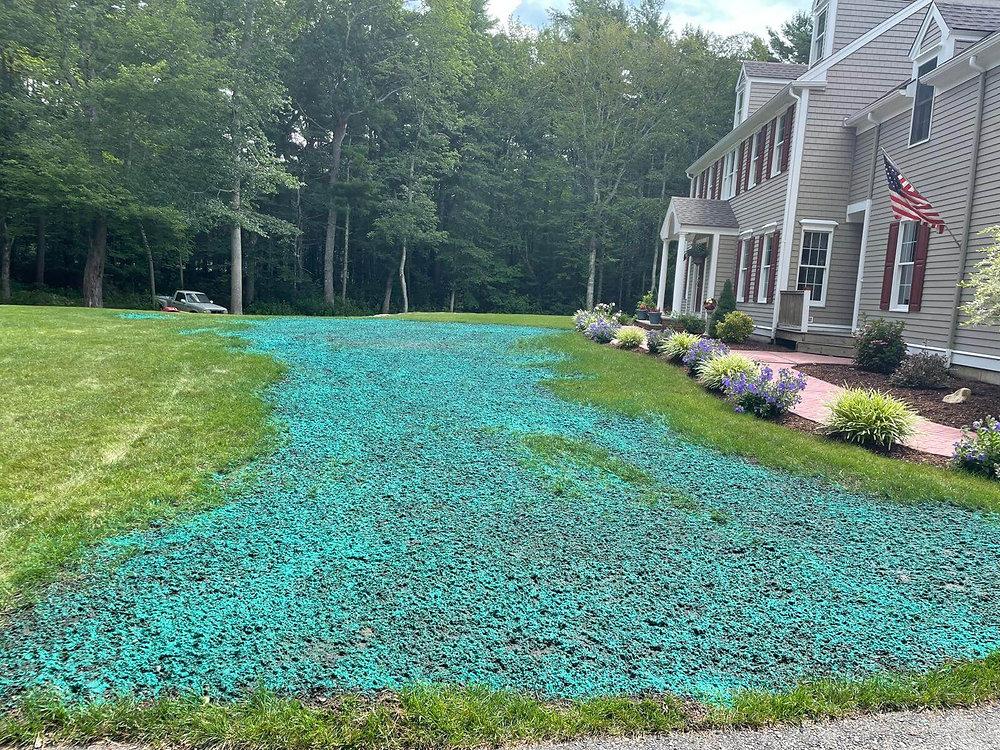
Commercial landscaping projects require practical solutions that deliver consistent results, control costs, and meet demanding deadlines. Establishing healthy grass across large areas can be challenging when traditional seeding methods require significant labor, careful material distribution, and ongoing maintenance. Commercial hydroseeding services offer an efficient alternative by applying a specially prepared mixture of grass seed, water, mulch, and other suitable ingredients to prepared soil. This process helps contractors, property developers, and commercial property owners establish vegetation across expansive landscapes. Understanding the financial advantages, installation speed, and long-term quality of hydroseeding can help businesses make informed decisions about their landscaping investments.
Understanding Commercial Hydroseeding Services
Depending on project requirements, the mixture may also include fertilizer, soil amendments, or tackifiers that help improve establishment and reduce seed movement. Commercial hydroseeding services use specialized equipment to spray a slurry containing grass seed, water, mulch, and other selected materials across prepared ground. The application method allows contractors to distribute seed across large areas, including roadside embankments, construction sites, industrial properties, business parks, and newly developed commercial landscapes. Compared with broadcasting dry seed by hand, hydroseeding offers greater control over coverage when performed by experienced professionals using appropriate equipment.
For commercial projects, the primary advantage is the ability to treat substantial areas efficiently without sacrificing attention to site conditions. Professional contractors evaluate soil preparation, drainage, slope, seed selection, and local growing conditions before beginning the application. These factors influence how successfully grass establishes and how much maintenance the property will require afterward. Businesses can also select grass varieties suited to their intended use, whether the goal is an attractive lawn, functional green space, or vegetation that helps stabilize exposed soil. A properly planned hydroseeding project supports both immediate landscaping objectives and longer-term property management needs.
The Cost Advantages of Commercial Hydroseeding
Budget management is a major consideration for developers, construction companies, municipalities, and commercial property owners. Traditional sod installation can produce an immediate green appearance, but purchasing, transporting, and laying mature turf can substantially increase project expenses. Conventional seeding may cost less in some situations, although large sites can require considerable labor and careful follow-up to achieve consistent coverage. Commercial hydroseeding services provide a middle-ground option by combining seed distribution, moisture-retaining mulch, and efficient mechanical application into a single process. The final price depends on site size, accessibility, seed specifications, ground preparation, and the condition of the existing soil.
Another financial benefit comes from the potential to reduce labor requirements on expansive properties. Specialized hydroseeding equipment allows trained crews to apply the seed mixture across substantial areas without manually distributing every component. This can make the process more practical for large construction sites, commercial developments, roadside projects, and open spaces that would otherwise demand extensive manual work. However, businesses should compare complete project estimates rather than focusing exclusively on the initial application price. Soil preparation, erosion-control measures, irrigation, follow-up treatments, and establishment maintenance can all affect the total investment.
Long-term value also depends on choosing the appropriate seed mixture and preparing the ground correctly. A low-cost application may become more expensive if poor soil conditions, inadequate drainage, unsuitable grass varieties, or insufficient watering lead to weak establishment. Professional planning helps identify potential problems before they result in additional expenses. Businesses should request detailed estimates outlining the scope of work, materials, preparation requirements, and any recommended maintenance services. Evaluating these details makes it easier to compare contractors fairly and select a solution that balances affordability with dependable landscaping performance.
Faster Installation and Improved Project Efficiency
Commercial construction and landscaping projects frequently operate under tight schedules. Delays in establishing vegetation can affect site presentation, project handovers, and compliance with erosion-control requirements. Commercial hydroseeding services help address these challenges by allowing contractors to cover large areas efficiently once the soil is ready. Instead of installing sod piece by piece or spreading seed manually over extensive ground, crews use specialized machinery to distribute the prepared mixture across the designated surface. The application process can often be completed quickly, although project duration depends on acreage, terrain, equipment access, weather, and preparation requirements.
Speed of application should not be confused with immediate lawn establishment. Hydroseeded grass generally needs time to germinate, develop roots, and produce sufficient coverage, with results varying according to grass species, temperatures, soil moisture, and seasonal conditions. Many grass varieties begin germinating within approximately one to three weeks under favorable conditions, but complete establishment can take considerably longer. Businesses should account for this biological process when planning construction schedules, property openings, or landscape inspections. Appropriate watering and maintenance after application are essential to achieving the expected results.
Efficient scheduling also depends on coordinating hydroseeding with other construction activities. Contractors should ensure that grading, soil preparation, drainage installation, and necessary utility work are completed before the seed mixture is applied. Applying hydroseed too early can expose the treated area to unnecessary disturbance from heavy equipment or subsequent construction activities. A coordinated approach reduces the likelihood of rework and helps protect the investment in seed, materials, and labor. When incorporated into a well-managed project timeline, hydroseeding can provide an effective way to establish vegetation without creating unnecessary delays.
Quality, Coverage, and Erosion Control Benefits
Quality landscaping begins with uniform application, suitable seed selection, and proper soil preparation. Commercial hydroseeding services can help distribute grass seed across broad surfaces, including irregular terrain and areas that are difficult to seed manually. The mulch component helps maintain moisture around the seed and can reduce the impact of rainfall on exposed soil. When combined with appropriate site preparation and erosion-control planning, these characteristics can support germination and help establish vegetation across vulnerable areas. Nevertheless, results depend on selecting the right materials and adapting the application to the property's specific environmental conditions.
Hydroseeding can also contribute to erosion management on construction sites, roadside slopes, drainage areas, and commercial developments. Exposed soil is vulnerable to rainfall, runoff, and wind, particularly when vegetation has been removed during grading or excavation. A suitable hydroseeding mixture can help establish protective plant cover that gradually improves soil stability as roots develop. On steep slopes or highly vulnerable sites, additional measures such as erosion-control blankets, wattles, drainage improvements, or specialized stabilization products may be necessary. Businesses should work with qualified professionals to determine which combination of measures suits their site's slope, soil characteristics, and regulatory requirements.
Consistent quality requires more than simply spraying a seed mixture onto the ground. Experienced contractors assess soil compaction, nutrient availability, pH, drainage, and existing vegetation before recommending an appropriate treatment. They also consider whether the selected grass can tolerate the site's sunlight exposure, expected foot traffic, and regional climate. Following application, watering must maintain suitable moisture without creating runoff or washing seed away. By addressing these practical requirements, property owners can improve the likelihood of establishing healthy turf and reduce the risk of patchy growth or repeated applications.
Commercial Hydroseeding Versus Traditional Seeding and Sod
Choosing between hydroseeding, conventional seeding, and sod installation depends on the property's objectives, budget, and deadline. Traditional seeding can be a cost-effective option for smaller areas or sites where equipment access is limited, but distributing seed evenly over extensive or sloped ground may require additional labor. Sod provides an established grass surface almost immediately, making it useful when a project requires an instant green appearance or faster access to a usable lawn. However, sod typically involves higher material, transportation, and installation costs, and it still requires careful watering while the roots establish.
Hydroseeding offers an attractive balance between application efficiency and initial cost for many large-scale landscaping projects. It is particularly suitable for new commercial developments, business campuses, roadside improvements, open spaces, and areas where conventional seeding may be difficult to distribute evenly. Its mulch-based mixture can support moisture retention and improve seed placement when applied correctly. However, hydroseeding is not automatically the best option for every site. Small lawns with limited access, projects requiring immediate finished turf, and areas with severe erosion challenges may benefit from alternative or combined approaches.
Property managers should compare each method according to the same criteria, including installation costs, expected establishment time, maintenance needs, site suitability, and the required final appearance. Contractors should explain the benefits and limitations of their recommended approach rather than promising identical results across different properties. Reviewing previous projects, understanding the proposed seed mixture, and discussing post-installation care can help businesses evaluate the likely outcome. A decision based on site conditions and measurable project requirements is more reliable than choosing a method solely because it has the lowest initial price.
Choosing a Reliable Hydroseeding Contractor
Selecting an experienced contractor is an important step toward achieving reliable landscaping results. Businesses should look for providers who understand commercial site requirements, soil preparation, grass varieties, equipment capabilities, and erosion-control practices. A qualified contractor should be able to explain how the proposed seed mixture suits the property, what preparation work is necessary, and which conditions could affect establishment. Ask for examples of comparable completed projects and references from previous customers when available. These checks help businesses assess practical experience and determine whether the contractor can manage the project's scale and complexity.
Before signing an agreement, request a written estimate that clearly describes the work included in the price. The estimate should identify the proposed seed blend, mulch and additives where applicable, site preparation, application area, and any additional erosion-control measures. It should also explain which services are excluded and whether follow-up inspections or maintenance are available. Businesses should verify relevant licensing, insurance, and local requirements where applicable, particularly for projects involving construction sites or regulated stormwater management. Clear communication at the beginning helps reduce misunderstandings and supports more effective project planning.
Residential property owners can apply similar evaluation principles when searching for residential hydroseeding near me. Although residential lawns are usually smaller than commercial sites, the same fundamentals apply: appropriate seed selection, proper soil preparation, suitable watering, and realistic expectations about establishment time. Comparing local providers based on their experience, service descriptions, customer feedback, and written estimates can help homeowners identify a suitable contractor. Whether the project involves a private lawn or a large commercial development, professional guidance can improve planning and help avoid preventable landscaping problems.
Why Hydroseeding Is a Smart Investment for Commercial Properties
Commercial hydroseeding services provide businesses with a practical way to establish grass across large areas while managing labor, installation schedules, and landscaping costs. Their value comes from the combination of efficient mechanical application, adaptable seed mixtures, and mulch that supports moisture retention during germination. When the method is matched to suitable soil conditions and followed by appropriate maintenance, it can help create attractive, functional green spaces that support the overall appearance of commercial properties. These benefits make hydroseeding worth considering for developers, contractors, property managers, and organizations responsible for extensive outdoor areas.
The strongest results come from treating hydroseeding as part of a complete landscaping strategy rather than a standalone application. Careful site preparation, suitable materials, realistic scheduling, effective watering, and ongoing monitoring all contribute to successful establishment. Businesses should evaluate contractors according to their technical knowledge, transparency, and ability to tailor recommendations to specific project requirements. By comparing the total cost of ownership instead of the initial price alone, decision-makers can identify an approach that supports both immediate project goals and long-term property value. With proper planning and professional execution, hydroseeding can be a cost-effective solution for creating healthier commercial landscapes.
Bub
Do?

Categorieën
Read More
Nouveautés et stratégies de Genshin Depuis la mise à jour 4.7 de Genshin Impact, un nouveau mode de jeu captivant a fait son apparition : le Théâtre de l’Imaginarium. Disponible depuis le 1er juillet 2024, ce mode offre chaque mois une multitude de récompenses, notamment des primo-gemmes, destinées à récompenser la bravoure des...

Gift cards in Saudi Arabia have evolved into versatile payment tools that go far beyond birthday presents. They now serve as practical alternatives to cash and bank cards, enabling users to shop online, order food, book rides, access streaming services, and support creators—all without linking a bank account. Choosing the right card, however, requires understanding its specific use,...
The integrated marine automation system market is evolving rapidly as maritime industries embrace digital transformation to improve operational efficiency and safety. Modern vessels are increasingly equipped with intelligent control systems that enable real-time monitoring of engine performance, navigation routes, and onboard machinery. This shift toward automation is reshaping how ships are...
Explore the World and Learn the Basics Key Takeaway: Understanding the game world makes progression much easier. Old School RuneScape is known for its massive open world filled with OSRS gold cities, dungeons, and hidden opportunities. New players should spend time learning important locations, transportation methods, and key NPCs. Some essential areas include:...

This report presents a structured and objective analysis of the global Electric Vehicles Market growth. With a focus on historical trends, current developments, and future projections, it offers a data-rich foundation for decision-makers, industry participants, and investors. The report includes both macro and micro-level insights, enabling readers to grasp key dynamics across...