Crypto.
 About
About
 Passport
 Conference call
 send money
 Terms
Terms
 Privacy
 Sierra market
The Sub-Saharan African Imperative: Regionally Focused Demand Driving Global Vaccine Distribution
Sub-Saharan Africa (SSA) represents the overwhelming epicenter of the global malaria burden, accounting for approximately 94% of all malaria cases and 95% of related deaths worldwide. Consequently, this region dictates the entire demand, distribution, and logistical structure of the malaria vaccine field. The successful implementation of large-scale vaccination programs in African countries is the single most critical factor for the sustained growth of the entire domain.
The immense scale of the immunization effort requires innovative strategies, moving beyond traditional centralized health posts to include community vaccination drives and mobile health clinics to reach children in rural and remote areas. The unique requirement of a multi-dose schedule for existing vaccines—three initial doses plus a crucial booster—adds a layer of logistical complexity that necessitates significant ongoing investment in local healthcare workforce training and cold-chain infrastructure improvement.
The successful pilot programs conducted in Ghana, Kenya, and Malawi demonstrated that integrating the malaria vaccine into routine childhood immunization schedules is feasible, even under strained health system conditions. This proof of concept has paved the way for the broader introduction of these vaccines across more than two dozen African countries, accelerating the sector's expansion through high-volume demand and localized manufacturing partnerships. Read more about the regional demands in the Malaria Vaccine analysis.
FAQ
Q: Why is Sub-Saharan Africa the main focus of the malaria vaccine domain? A: SSA carries the heaviest malaria burden globally, accounting for over 90% of all cases and deaths, making it the primary target for mass immunization efforts.
Q: What logistical challenge is posed by the current vaccine schedules in rural areas? A: The multi-dose schedule (three primary doses plus a booster) is challenging to complete in rural areas due to travel difficulties and the lack of consistent healthcare access.
Bub
Do?

Categories
Read More
A gathering at Netflix's Los Angeles facility brought together professionals from the post-production sector to address the critical issue of female representation throughout the filmmaking process and behind the lens. The Hollywood Professional Association's Women in Post group partnered with Netflix to organize this event, which featured a discussion led by Heidi Vogel, who manages...

Steel Dragons are iconic mid-to-high-level monsters in OSRS gold, popular for their valuable drops including dragon bones, rune equipment, and rare dragon loot. These metallic dragons boast high defensive stats and powerful dragonfire attacks, making them challenging for unprepared players. Among melee, ranged, and magic combat styles, magic safespotting stands out as the safest, most...
Les casinos en ligne ont révolutionné la façon de jouer et de gagner de l'argent. Avec l'essor de l'Internet, il est désormais possible de jouer à des jeux de hasard favorites depuis le confort de votre propre maison, tout en bénéficiant d'une expérience de jeu immersive et stimulante. Cependant, jouer au casino en ligne peut être...
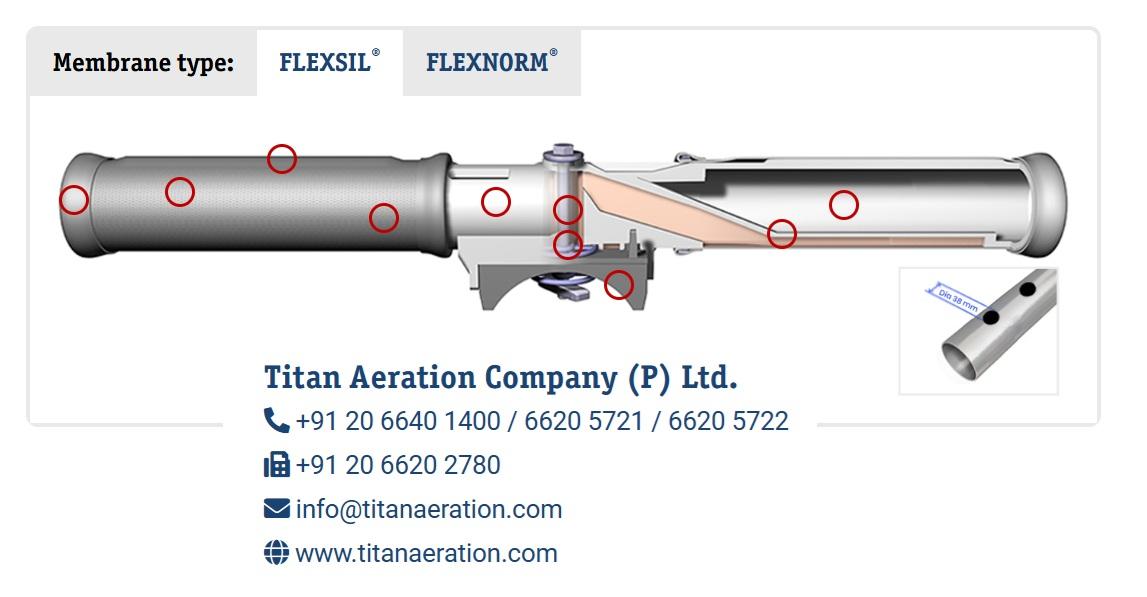
In modern wastewater treatment and industrial processes, efficient aeration systems play a critical role in ensuring optimal oxygen transfer, reduced energy consumption, and long-term operational reliability. As a leading air diffuser manufacturer in India, we deliver cutting-edge solutions engineered for superior performance, durability, and cost-efficiency. Our expertise lies in manufacturing...
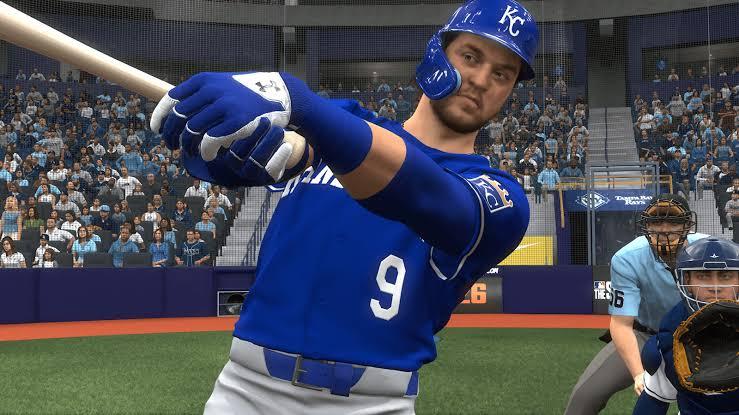
Low and away sliders are no longer an automatic strikeout pitch in MLB The Show 26, especially in same handed matchups. After Update 14, the PCI feels more forgiving in that corner against breaking balls, though the timing window is still tight. I've been using MLB 26 stubs to keep my lineup competitive, but better input matters more than simply stacking high rated hitters. The key is to stop...