


 Crypto.
 About
About
 Passport
 Conference call
 send money
 Termini e Condizioni
 Privacy
 Sierra market
Snagging Guide for Smooth Property Handover Process
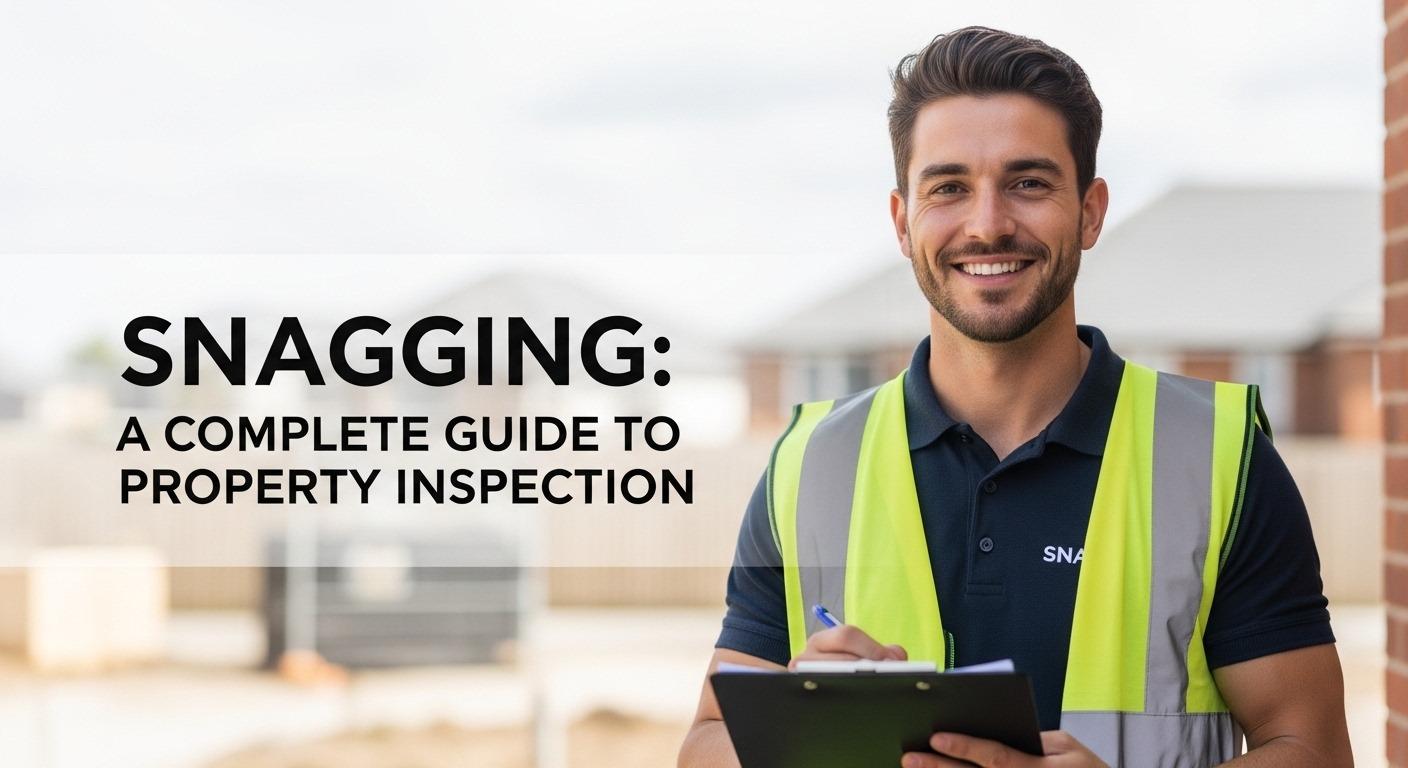
Buying a property is a significant achievement, whether it is your dream home or an investment for the future. While everything may appear perfect during initial visits, many properties often have hidden defects or unfinished work. These issues can affect comfort, safety, and long-term value. This is where snagging becomes an essential part of the property buying journey.
Snagging is the process of identifying faults, defects, or incomplete elements in a property. It helps ensure that the property is delivered in the condition promised by the developer or builder. Without proper snagging, buyers may end up dealing with unexpected repairs and additional costs after moving in.
What Is Snagging?
Snagging refers to a detailed inspection of a property to find issues that need correction. These issues, known as snags, can range from small cosmetic imperfections to more serious problems involving electrical, plumbing, or structural systems.
The results of the inspection are documented in a snag list. This list is shared with the developer so that all defects can be fixed before the buyer fully takes possession of the property. Snagging ensures that everything in the property meets expected standards and functions properly.
Why Snagging Is Important
Ensures Property Quality
Even well-constructed properties can have minor defects. Snagging helps ensure that the finishing and overall quality meet expectations.
Identifies Hidden Defects
Some problems are not visible during a simple walkthrough. Snagging allows for a deeper inspection to uncover hidden issues.
Prevents Future Costs
Fixing defects after moving in can be expensive and inconvenient. Snagging ensures that these problems are resolved early.
Provides Peace of Mind
Knowing that your property has been thoroughly inspected gives you confidence in your purchase.
Common Snagging Issues
During the snagging process, several common problems are often identified:
- Uneven paint or poor finishing
- Cracks in walls or ceilings
- Doors and windows that do not close properly
- Faulty electrical connections
- Plumbing leaks or drainage problems
- Loose fixtures and fittings
- Damaged or uneven flooring
- Incomplete installations
Addressing these issues before moving in ensures a smooth and comfortable living experience.
The Snagging Process
Snagging involves a detailed and systematic inspection of the entire property. Each area is carefully checked to ensure it meets the required standards.
Interior Inspection
Walls, ceilings, and floors are examined for cracks, uneven surfaces, and finishing defects.
Fixtures and Fittings
Doors, windows, cabinets, and handles are checked for proper installation and functionality.
Electrical Systems
All switches, sockets, and lighting fixtures are tested to ensure safety and proper operation.
Plumbing Systems
Pipes, taps, and drainage systems are inspected for leaks and water flow issues.
Exterior Areas
Balconies, roofs, and external walls are checked for damage or incomplete work.
All identified issues are recorded in a snag list, which serves as a guide for necessary repairs.
When Should Snagging Be Done?
The best time to carry out snagging is before the final handover of the property. This allows the developer to fix all issues before you move in.
In some cases, snagging can also be done after moving in, especially if new defects become noticeable over time. However, early inspection is always recommended for better results.
Professional vs DIY Snagging
Self Snagging
Some buyers prefer to inspect their property themselves. While this approach can identify visible defects, it may not be sufficient for detecting hidden issues.
Professional Snagging
Hiring a professional snagging inspector ensures a more detailed and accurate inspection. Experts have the experience and tools needed to identify all types of defects.
A professional report also helps in clearly communicating issues to the developer and ensures timely repairs.
Benefits of Snagging
Quality Assurance
Snagging ensures that the property meets the expected standards before handover.
Reduced Stress
Identifying and fixing issues early prevents future inconvenience.
Better Negotiation
A detailed snag list helps you request necessary repairs from the builder.
Long-Term Savings
Addressing defects early reduces the risk of costly repairs later.
Tips for Effective Snagging
- Inspect the property thoroughly before finalizing the purchase
- Check all areas, including less visible spaces
- Ensure utilities are working during inspection
- Document all defects clearly
- Follow up with the developer until all issues are resolved
These steps help ensure that the snagging process is successful and effective.
FAQs
What does snagging mean in property?
Snagging is the process of identifying defects or unfinished work in a property before or after handover.
Is snagging necessary for all properties?
Yes, it is important for both new and renovated properties to ensure quality and safety.
Can I do snagging on my own?
You can perform a basic inspection, but a professional snagging service is more thorough.
What happens after snagging?
The snag list is given to the developer, who is responsible for fixing the identified issues.
Conclusion
Snagging is a crucial step in the property buying process that ensures your home is delivered in the best possible condition. It helps identify defects, maintain quality standards, and protect your investment. By addressing issues before moving in, you can avoid unnecessary stress and expenses.
Whether you are purchasing a new property or checking a renovated space, snagging provides clarity and confidence. Taking the time to carry out a proper snagging process ensures that your property is safe, functional, and ready for comfortable living.
Bub
Do?

Categorie
Leggi tutto
The Extradimensional Crisis (A3a) expansion, updated June 16, 2025, has reshaped the competitive Pokémon TCG Pocket meta. Drawing on tournament results and expert opinion, this tier list sorts decks into four tiers: S (top meta staples), A (solid contenders), B (less represented or declining), and C (off-meta choices). The following highlights the most influential archetypes and their...

Riot Games is reportedly exploring the addition of permanent separate 1v1 and 3v3 Skirmish modes to VALORANT. According to insider valohabercisi, the developer was satisfied with the performance of the 1v1 Skirmish: Ascension trial and is now evaluating an expanded format. The information, which has not been officially confirmed, suggests Riot may be looking to offer players more quick-match...
Jeune prodige DCE Un nouveau talent fait son apparition en DCE sur FC 26, cette fois sous la forme de Julien Duranville, incarnant le style "Joga Bonito". Ce jeune prodige, issu du centre de formation d’Anderlecht avant de rejoindre le Borussia Dortmund, est considéré comme l’un des joueurs les plus prometteurs de sa génération. Sa vitesse fulgurante,...
Hello Phoxhunters! If you're tackling the Duet Night Abyss (DNA) in the Huaxu: The Wind Awakening update, you'll want to keep an eye on Fushu, as she's creating waves in the current meta. Introduced on December 23, 2025, as a free Hydro support through the immersive theatre, Fushu quickly proved her worth as a formidable T0 asset, especially for sanity regeneration, boosting skill damage, and...
Introduction About Alejandro Balde Martínez Alejandro Balde Martínez, commonly known as Álex Balde, is a highly promising left-back whose career trajectory reflects both his innate talent and the rigorous development he received at Barcelona's famed La Masia academy. Born in Barcelona, his football journey began in local youth setups before he joined La Masia, where his...
