


 Crypto.
 Über
Über
 Passport
 Conference call
 send money
 Bedingungen
 Datenschutz
 Sierra market
5 Tips for a Successful Italian University Application
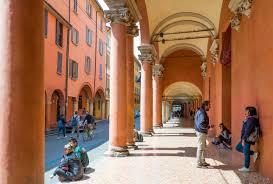
Italy is home to some of the oldest and most prestigious educational institutions in the world. From rich historical architecture to vibrant modern culture, the country offers a unique environment for academic growth. Every year, thousands of international students flock to places like Rome, Milan, and Bologna to pursue their degrees and experience a truly unique lifestyle.
However, getting accepted into an Italian university requires careful planning. The application process involves multiple steps, specific documentation, and strict deadlines that can easily overwhelm first-time applicants. Navigating foreign administrative systems is challenging, but breaking the process down into manageable steps makes a massive difference.
This guide will walk you through exactly what you need to do to secure your spot. We have compiled five practical tips to help you write a successful application, gather the right paperwork, and prepare for your move. Read on to discover how you can make your university application stand out.
1. Research Your Dream Program
Choosing the right course is the foundation of a successful application. If you want to study in Italy, you need to find a program that aligns perfectly with your academic background and future career goals. Italian universities offer a wide variety of courses taught entirely in English, which makes them highly accessible to international students.
Start by browsing the official portals of Italian higher education institutions. Look closely at the curriculum, the faculty profiles, and the specific entry requirements for each degree. Some programs might require you to pass an entrance exam, such as the IMAT for medical schools, while others rely solely on your past academic performance.
Make a shortlist of three to five universities. Once you have your options, carefully review their specific admission guidelines. Tailoring your application to fit the exact requirements of a chosen program shows the admissions committee that you are serious, focused, and genuinely interested in their institution.
2. Prepare Your Financial and Visa Documents early
Getting accepted into a university is only the first part of the journey. Once you receive your admission letter, you must navigate the student visa requirements. This step requires significant financial planning and a clear understanding of the local embassy procedures.
If you are applying from South Asia, for example, you must review the specific costs and paperwork required by the consulate. Knowing the exact Italy study visa price in Pakistan will help you budget appropriately and avoid any last-minute surprises. Visa fees can fluctuate, and you will also need to prove that you have enough funds in your bank account to support yourself during your studies.
Start gathering your financial documents, such as bank statements and sponsorship letters, months in advance. You will also need comprehensive health insurance and proof of accommodation. Having these documents ready early will speed up the pre-enrollment process and give you peace of mind as your course start date approaches.
3. Craft a Compelling Motivation Letter
Most Italian universities require a motivation letter (or personal statement) as part of the admission process. This document is your chance to speak directly to the admissions committee and explain why you are the perfect fit for their program.
Avoid writing a generic essay. Instead, highlight specific aspects of the university's curriculum that excite you. Mention particular professors you want to work with or research facilities you hope to use. Explain how your previous studies have prepared you for this specific degree, and outline how the program will help you achieve your long-term career goals.
Keep your tone professional, clear, and concise. Proofread your letter multiple times to catch any grammatical errors or awkward phrasing. A well-written motivation letter sets you apart from other applicants who have similar academic grades.
4. Gather Academic Transcripts and References
Your academic history carries a lot of weight during the selection process. Universities will ask for your high school diploma or bachelor's degree, along with detailed transcripts of your grades.
For international students in Italy, these documents often need to be officially translated into Italian or English and legally certified. You may also need a Declaration of Value (Dichiarazione di Valore) from the Italian embassy in your home country, which confirms that your previous qualifications meet the Italian standards for higher education.
Additionally, secure strong letters of recommendation. Reach out to former teachers or employers who know your work ethic and academic capabilities well. Give them plenty of time to write a thoughtful reference, as a strong endorsement from an academic professional greatly boosts your chances of acceptance.
5. Stay on Top of Application Deadlines
Missing a deadline is the easiest way to get your application rejected. The university admission process in Italy operates on strict timelines, and late submissions are almost never accepted.
Create a dedicated calendar specifically for your university applications. Mark down the opening and closing dates for online applications, scholarship opportunities, and visa appointments. Keep in mind that you will likely need to register through the official Universitaly portal, a centralized platform used by the Italian government to process international student applications.
Give yourself a buffer of at least two weeks before any major deadline. This ensures you have time to resolve technical issues, track down missing documents, or fix any unexpected problems without stress.
Frequently Asked Questions About Italian Universities
Do I need to speak Italian to study there?
Not necessarily. Many Italian universities offer bachelor's and master's degree programs completely in English. However, learning basic Italian will make your daily life much easier and help you integrate into the local culture.
Are there scholarship opportunities for international students?
Yes. The Italian government and individual universities offer numerous financial aid options based on both academic merit and financial need. Regional scholarships (like DSU) are also available and can cover tuition fees, accommodation, and daily meals.
Can I work while studying?
International students with a valid study visa are legally allowed to work up to 20 hours per week in Italy. This is a great way to earn extra pocket money and gain local work experience, though it should not be relied upon to cover your full tuition.
Ready for Your Italian Adventure?
Applying to an Italian university requires time, organization, and a clear understanding of the rules. By researching your programs thoroughly, preparing your visa and financial paperwork early, and crafting a unique motivation letter, you put yourself in a highly competitive position. Remember to keep track of every deadline and seek out regional scholarship opportunities to help fund your education. Take these steps one at a time, and you will be well on your way to enjoying a world-class education surrounded by the beauty of Italy.
Bub
Do?

Kategorien
Mehr lesen
Week 3 of Season 1: The Crimson Plague brings four structured missions that unlock over the week. Each mission has two components: a reward chest goal (a warzone-wide cooperative objective that fills a global progress bar) and a mission goal (your personal or alliance progression target). Some mission goals unlock a few days after the mission appears, so plan accordingly. Day 1 – Training...

Stepping into the vibrant heart of Seoul, the enduring legacy of PUBG is palpable. Far beyond its battle royale origins, it has woven itself into the cultural fabric of South Korea. While Fortnite commands attention in Western markets, here, PUBG reigns supreme as a cultural titan. The game's evolution is a strategic pivot. It is expanding into a multifaceted platform, with ambitious projects...
Dalam perkembangan bisnis pulsa dan layanan telekomunikasi di Indonesia, sistem auto reply menjadi salah satu komponen penting yang mendukung kelancaran transaksi serta komunikasi antara penjual dan pelanggan. Auto reply atau balasan otomatis adalah fitur yang memungkinkan sistem atau aplikasi mengirimkan pesan balasan secara otomatis berdasarkan kata kunci tertentu yang dikirim oleh pelanggan....
Small capacity thermal power plant solutions are no longer a niche curiosity; they are a decisive lever for industries that need reliable, on‑site energy while keeping capital outlay tight. Imagine shaving weeks off a project timeline, cutting fuel consumption by double‑digits, and securing a power source that scales with your growth. This article reveals how those benefits become reality, and...
The action-packed film 'Back in Action' continues its impressive reign, securing the number one spot on the English films chart for a third consecutive week. Meanwhile, the high-stakes world of espionage captivated television audiences, with 'The Night Agent' Season 2 claiming the top position on the English TV list. This week's charts are a testament to enduring franchises and fresh debuts...
