


 Crypto.
 About
About
 Passport
 Conference call
 Términos
 Privacidad
 Sierra market
Real Estate Tokenization Development: From Traditional Assets to Digital Ownership
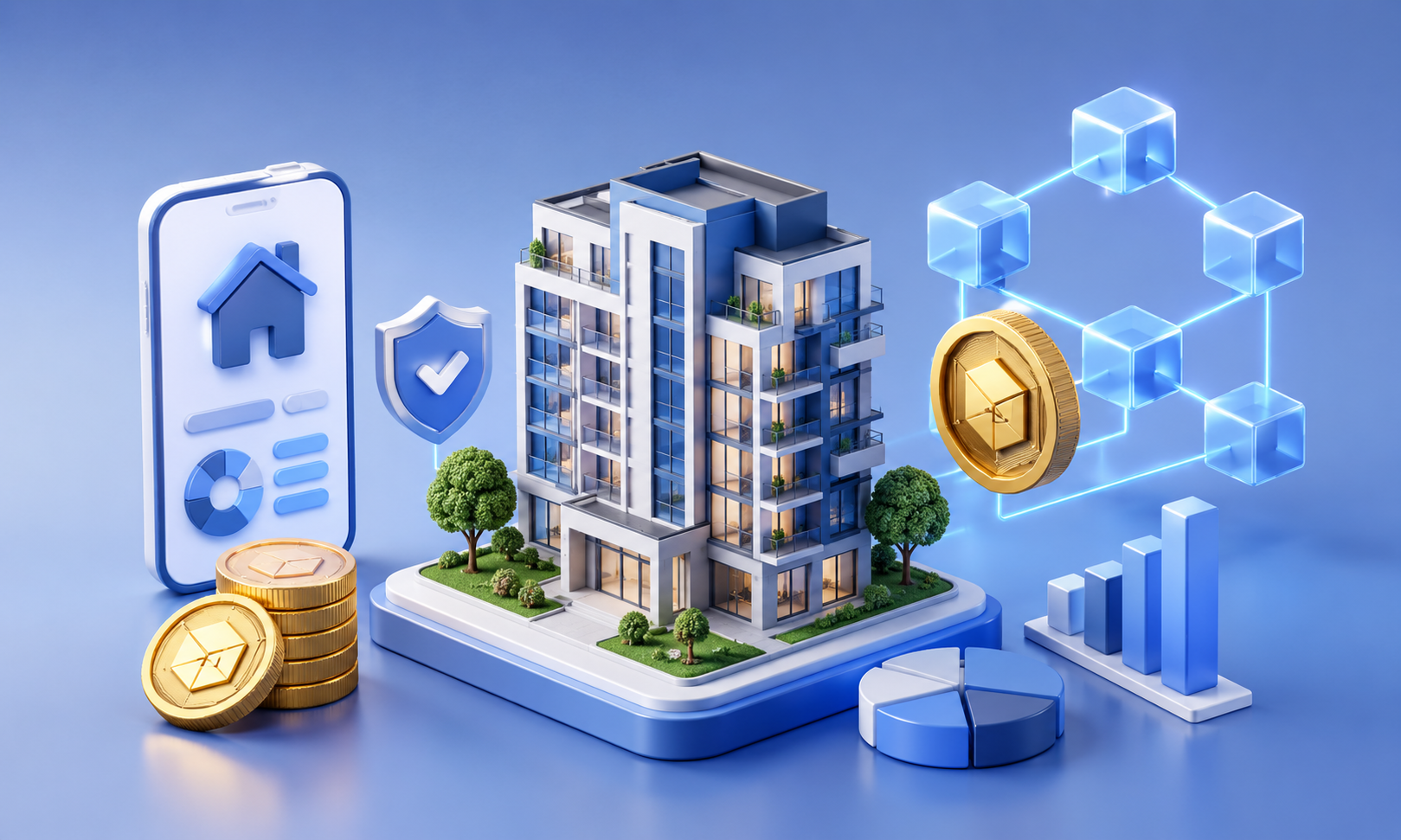
Real estate has always been one of the most preferred investment sectors across the world. Commercial buildings, residential properties, industrial spaces, vacation rentals, and mixed-use developments continue to attract investors because of their long-term value and income potential. Yet traditional property investment often comes with several barriers. Large capital requirements, lengthy paperwork, restricted liquidity, legal complexity, and geographic limitations have historically kept many investors away from premium real estate opportunities.
Digital ownership models connected with blockchain networks are changing this structure. Property assets can now be divided into digital units that represent ownership rights. This method is widely known as Real Estate Tokenization. Through blockchain-backed systems, ownership interests can be recorded digitally and traded among investors under regulated frameworks.
Businesses, property firms, investment groups, and fintech organizations are increasingly entering the market with real estate tokenization development initiatives to digitize physical property assets. From luxury apartments to office towers and rental properties, tokenized ownership is creating new participation models for investors across different regions.
The growing demand for fractional ownership, cross-border investment participation, and digital asset infrastructure has increased interest in Real Estate Tokenization Platform Development. As regulations become more defined in several countries, companies are moving from experimental projects toward commercial deployment.
This blog explains how Real Estate Tokenization is moving traditional property ownership into digital ecosystems, the technologies involved, market benefits, challenges, development methods, and the future outlook of tokenized real estate assets.
Understanding Real Estate Tokenization
Real Estate Tokenization refers to the process of converting ownership rights of physical property into blockchain-based digital tokens. These tokens represent a share or stake in a real estate asset. Investors can purchase, hold, transfer, or sell these tokens depending on the regulatory structure of the platform.
Instead of purchasing an entire building or property unit, investors can own fractions of the asset through tokenized shares. These shares are stored digitally on blockchain networks, allowing ownership records to remain immutable and traceable.
A commercial property worth millions of dollars can be divided into thousands of digital tokens. Investors then buy smaller portions based on their investment capacity. This method introduces broader participation in property markets.
real estate asset tokenization is often connected with:
- Residential property investments
- Commercial office buildings
- Hospitality projects
- Industrial warehouses
- Student housing
- Luxury vacation properties
- Mixed-use developments
- Real estate investment funds
The process combines blockchain infrastructure, legal structuring, smart contracts, digital wallets, compliance systems, and investor management tools.
How Traditional Real Estate Investment Operates
To understand the importance of tokenization, it is necessary to examine how conventional real estate ownership works.
Traditional property investment usually involves:
- High entry capital
- Legal documentation procedures
- Broker involvement
- Property management operations
- Lengthy settlement periods
- Limited liquidity
- Geographic restrictions
- Banking and financing hurdles
For example, purchasing commercial real estate may require institutional-level capital or bank financing. Selling property shares can also take weeks or months due to paperwork, valuation processes, and regulatory approvals.
Smaller investors often struggle to access premium real estate markets because of these limitations. Cross-border participation also becomes difficult because legal systems vary between jurisdictions.
These challenges created interest in blockchain-based ownership systems that reduce operational complexity while widening investor participation.
The Shift Toward Digital Ownership
Digital ownership models allow real-world assets to be represented through blockchain tokens. In real estate, this means that ownership interests are digitally recorded instead of being handled entirely through traditional paper-based systems.
The movement toward digital ownership is gaining traction because blockchain systems provide:
- Immutable ownership records
- Automated transaction execution
- Faster settlement periods
- Fractional investment participation
- Global investor accessibility
- Continuous transaction visibility
- Simplified asset transfer processes
Digital ownership structures are increasingly being adopted by investment firms, property developers, and fintech businesses seeking alternative fundraising and asset distribution models.
A Real Estate Tokenization company generally creates the infrastructure required for asset digitization, investor onboarding, smart contract integration, compliance verification, and token management.
How Real Estate Tokenization Development Works
real estate tokenization development follows a structured process involving technical, financial, and legal components. Each stage must align with regional regulations and property ownership laws.
Asset Selection
The first stage involves identifying the property asset intended for tokenization. This may include residential apartments, commercial buildings, hospitality projects, or rental properties.
The asset undergoes valuation and due diligence before token creation begins.
Legal Structuring
The property ownership structure is then legally organized. Many projects use Special Purpose Vehicles (SPVs) or trust-based structures to connect physical ownership rights with digital tokens.
Legal compliance is one of the most important aspects of Real Estate Tokenization Development Services.
Token Creation
Digital tokens are generated on blockchain networks using smart contracts. These tokens represent ownership shares or economic rights connected to the property asset.
Common blockchain networks used include:
- Ethereum
- Polygon
- Solana
- Avalanche
- BNB Chain
Smart Contract Deployment
Smart contracts define investor rights, dividend distributions, transfer rules, and transaction logic.
These contracts automate multiple operations that would otherwise require intermediaries.
Investor Onboarding
KYC and AML verification systems are integrated into the platform before investors can participate.
Identity verification is necessary to comply with securities regulations in many jurisdictions.
Token Distribution
After onboarding, investors can purchase tokens through fiat currency, cryptocurrency, or integrated payment systems.
Ownership data is then recorded on blockchain networks.
Secondary Trading Integration
Some Real Estate Tokenization Platform Development projects include secondary trading capabilities that allow investors to transfer or sell their tokenized shares.
This introduces liquidity opportunities not commonly available in traditional property markets.
Technologies Used in Real Estate Tokenization
Several technologies contribute to modern tokenization infrastructure.
Blockchain Networks
Blockchain serves as the foundation for recording transactions and ownership details.
It maintains immutable records while reducing dependence on centralized databases.
Smart Contracts
Smart contracts automate agreements and transaction conditions.
These contracts may handle:
- Rental income distribution
- Ownership transfers
- Investor rights
- Compliance restrictions
- Dividend allocation
Digital Wallet Integration
Wallet systems allow investors to store and manage tokenized assets securely.
Wallet compatibility is often included in Real Estate Tokenization Development Services.
Compliance Systems
Regulatory compliance tools handle:
- Identity verification
- AML checks
- Investor accreditation
- Jurisdictional restrictions
Asset Management Dashboards
Administrative dashboards help property managers oversee investor participation, reporting, and operational updates.
Benefits of Real Estate Tokenization
Fractional Ownership Opportunities
One of the biggest advantages of Real Estate Tokenization is fractional participation.
Instead of investing massive capital into full property ownership, investors can buy smaller tokenized portions.
This opens access to broader investor groups.
Increased Liquidity
Traditional property markets are relatively illiquid. Selling physical property often requires lengthy procedures.
Tokenized assets may support secondary market transfers, creating liquidity opportunities for investors.
Global Participation
Digital token systems can support cross-border investment participation under regulatory guidelines.
International investors gain access to markets that were previously difficult to enter.
Faster Transactions
Blockchain-based settlement systems reduce transaction delays associated with conventional real estate transfers.
Reduced Intermediary Dependence
Tokenized systems may reduce dependence on brokers, custodians, and manual verification processes.
Improved Ownership Tracking
Blockchain records maintain continuous ownership history, reducing disputes and record inconsistencies.
Real Estate Tokenization for Property Developers
Property developers are increasingly examining tokenization models as alternative fundraising methods.
Instead of relying solely on:
- Bank financing
- Institutional investors
- Venture funding
- Private equity
developers can distribute tokenized ownership interests to investors globally.
This method may assist developers in:
- Raising capital for construction projects
- Funding expansion activities
- Reducing financing dependency
- Attracting retail investors
- Improving investment flexibility
A Real Estate Tokenization Development company often supports developers throughout the legal, technical, and operational implementation process.
Role of Smart Contracts in Tokenized Real Estate
Smart contracts are a major operational component in tokenized property ecosystems.
These digital agreements execute predefined instructions automatically.
Functions handled by smart contracts may include:
- Ownership allocation
- Rental income distribution
- Voting rights
- Asset transfers
- Compliance checks
- Profit sharing
For example, rental income generated from a commercial property can automatically be distributed among token holders according to their ownership percentage.
This reduces manual accounting workloads while maintaining transaction accuracy.
Real Estate Tokenization Platform Development
Real Estate Tokenization Platform Development involves creating complete digital infrastructure for property tokenization ecosystems.
These platforms generally include:
Investor Dashboard
Allows investors to:
- View holdings
- Monitor returns
- Access reports
- Transfer tokens
- Track transactions
Property Listing Module
Displays tokenized assets available for investment.
Compliance Framework
Supports KYC, AML, investor accreditation, and regional legal requirements.
Smart Contract Management
Handles token creation, transfers, and automated ownership functions.
Payment Integration
Supports fiat and cryptocurrency transactions.
Security Infrastructure
Protects user accounts, wallets, smart contracts, and data storage systems.
Many organizations now seek Real Estate Tokenization Development Services to launch white-label tokenization ecosystems for commercial deployment.
Regulatory Considerations
Regulation remains one of the most important areas in tokenized real estate markets.
Tokenized property assets may fall under securities laws depending on the jurisdiction.
Compliance areas may include:
- Securities registration
- Investor protection requirements
- Tax obligations
- Anti-money laundering regulations
- Cross-border investment laws
A professional Real Estate Tokenization company generally works with legal advisors to align projects with regional frameworks.
Countries including the United States, Singapore, the UAE, Switzerland, and parts of Europe are gradually establishing clearer guidelines for digital asset investments.
Challenges in Real Estate Tokenization
Although tokenization introduces several opportunities, certain challenges still exist.
Regulatory Uncertainty
Legal interpretations differ between jurisdictions, creating compliance complexity.
Market Education
Many traditional investors are still unfamiliar with blockchain-based ownership systems.
Liquidity Limitations
Secondary markets for tokenized real estate are still developing.
Technical Risks
Smart contract vulnerabilities and cybersecurity risks require ongoing monitoring.
Valuation Complexity
Property valuation methods must remain consistent and reliable for investor confidence.
Adoption Barriers
Traditional real estate firms may hesitate to move toward blockchain-integrated systems because of operational restructuring requirements.
Industries Supporting Tokenized Real Estate Growth
Multiple sectors are contributing to market expansion.
Fintech Companies
Fintech firms are introducing digital investment infrastructure and compliance systems.
Property Developers
Developers are using tokenization for alternative capital distribution models.
Investment Firms
Asset managers are incorporating digital ownership structures into investment portfolios.
Blockchain Firms
Blockchain infrastructure providers support smart contract development and digital asset management.
Legal and Compliance Firms
Law firms assist with securities compliance and property structuring.
Future of Real Estate Tokenization
The future of tokenized real estate will likely depend on regulatory maturity, institutional participation, and technological reliability.
Several developments are expected to influence market growth:
- Institutional real estate token funds
- Integration with DeFi ecosystems
- Cross-border investment marketplaces
- AI-driven property analytics
- Automated compliance systems
- Tokenized mortgage structures
- Digital identity integration
Large financial institutions and property investment groups are already evaluating blockchain-based ownership models for long-term implementation.
As infrastructure improves, digital ownership systems may become increasingly common across commercial and residential property markets.
Methods Used by Businesses Entering Real Estate Tokenization
Businesses approaching tokenization projects generally follow different operational methods based on their goals.
Direct Property Tokenization
A single property asset is divided into digital ownership shares.
Fund-Based Tokenization
Real estate investment funds are tokenized for investor participation.
Rental Income Tokenization
Investors receive portions of rental revenue generated from properties.
Debt-Based Tokenization
Real estate debt instruments are digitized for fundraising purposes.
Hybrid Ownership Models
Traditional ownership structures operate alongside tokenized participation systems.
Important Features in Real Estate Tokenization Development Services
Businesses evaluating Real Estate Tokenization Development Services often prioritize features such as:
- Multi-chain compatibility
- Investor onboarding systems
- Smart contract automation
- Secondary trading integration
- Property management tools
- Security auditing
- Multi-currency support
- Admin dashboards
- Investor reporting systems
- Compliance monitoring
These features contribute to operational management and investor engagement.
Why Businesses Are Entering Tokenized Real Estate Markets
Several market conditions are contributing to business interest in tokenized property systems.
Investor Diversification
Fractional ownership attracts wider investor participation.
Alternative Fundraising
Developers can distribute ownership digitally instead of relying entirely on traditional financing.
Digital Asset Expansion
Businesses are increasingly entering blockchain-connected financial ecosystems.
Growing Market Awareness
Institutional and retail investors are becoming more familiar with digital asset investment structures.
Property Investment Accessibility
Smaller investors can participate in property markets through lower investment thresholds.
Selecting a Real Estate Tokenization Development Company
Organizations planning tokenization projects generally evaluate several factors before selecting a development partner.
Technical Experience
The provider should understand blockchain infrastructure, wallet integration, and smart contract systems.
Compliance Knowledge
Regulatory familiarity is necessary for handling security token frameworks.
Security Practices
Smart contract auditing and cybersecurity protection remain important.
Platform Flexibility
The infrastructure should support multiple asset structures and operational models.
Post-Deployment Support
Long-term maintenance and updates are necessary for ongoing operations.
A Real Estate Tokenization Development company often works with legal consultants, fintech teams, and property firms during implementation stages.
Conclusion
Real estate markets are gradually moving from paper-based ownership systems toward digitally recorded investment structures. Real Estate Tokenization is introducing new participation models for investors, developers, and financial institutions seeking alternative property investment frameworks. Fractional ownership, blockchain-backed transaction records, and digital asset ecosystems are contributing to the expansion of tokenized real estate markets across different regions. Although regulatory challenges and adoption barriers still exist, businesses continue investing in real estate tokenization development to improve investment accessibility and operational efficiency. As blockchain infrastructure matures and institutional participation increases, tokenized property ownership may become a widely accepted component of global real estate investment markets. Blockchain App Factory provides Real Estate Tokenization Services for businesses seeking digital property investment infrastructure, blockchain integration, compliance-ready tokenization systems, and Real Estate Tokenization Platform Development solutions.
Bub
Do?

Categorías
Read More
В игре Call of Duty: Mobile кредиты занимают важное место как главный валютный ресурс. Чтобы накопить их, часто требуется проявить терпение и затратить время. Существует множество методов получения кредитов без использования доната, однако большинство из них предполагает активное участие в игровом процессе и длительную игру.В игре Call of Duty присутствует две основные формы валюты: кредиты и...

Ready or Not, the SWAT simulation shooter, has long stood out for its extreme graphic violence—dismemberment, decapitation, and brutal melee takedowns. But ahead of its long-awaited console release, developer Void Interactive has made a series of small but controversial changes to the game's most graphic elements, triggering a review-bombing campaign on Steam. Changes for Console...
Effortless daily dressing is rooted in the idea that simplicity can create consistency, confidence, and clarity in personal style. Essential clothing supports this philosophy by offering versatile pieces that remove unnecessary complexity from everyday outfit choices. Instead of chasing trends, Essentials clothing individuals can rely on timeless garments that adapt to multiple settings...
Mastopexy Market Growth Analysis and Emerging Trends The Mastopexy Market growth is witnessing significant expansion, driven by the increasing demand for cosmetic surgeries and rising awareness of aesthetic procedures. According to MRFR, the market is expected to grow steadily over the forecast period as more patients seek breast lift surgeries for aesthetic and reconstructive purposes....

Meta Analysis and Top Strategies Hello everyone! The latest edition of our weekly tournament, Ursiday’s Pocket Weekly #29, has just concluded, drawing an impressive participation of 922 players. This week was particularly exciting due to the diverse and dynamic meta, with a surge of innovative decks emerging from the newest expansion. Classic strategies have also gained strength thanks to...
