Crypto.
 About
About
 Passport
 Conference call
 send money
 Termeni
 Confidențialitate
 Sierra market
PTSD Physical Symptoms: How Trauma Affects the Body Now
PTSD does not only live in the mind. For many trauma survivors, it shows up in the body first: a racing heart, tight chest, shaking hands, stomach pain, headaches, poor sleep, muscle tension, or sudden exhaustion after a trigger. As an intensive outpatient program, Capital Health and Wellness understands that these physical reactions can confuse families, patients, and even busy clinical teams when trauma history is not clearly connected to the body’s stress response.
PTSD physical symptoms deserve urgent attention because they can affect daily functioning, work performance, relationships, and treatment engagement. The Mayo Clinic explains that PTSD symptoms are often grouped into intrusive memories, avoidance, negative changes in thinking and mood, and changes in physical and emotional reactions, including sweating, rapid breathing, fast heartbeat, or shaking. Capital Health and Wellness uses this clinical understanding to help mental health professionals and informed patients recognize that trauma can create whole-body distress, not just emotional pain.
What Are PTSD Physical Symptoms?
PTSD physical symptoms are body-based reactions linked to trauma reminders, chronic stress activation, and nervous system dysregulation. Capital Health and Wellness explains that these symptoms may occur during flashbacks, nightmares, panic-like episodes, conflict, loud noises, crowded places, medical visits, anniversaries of trauma, or other reminders the person’s brain interprets as danger.
Common PTSD physical symptoms may include fast heartbeat, sweating, trembling, shortness of breath, nausea, stomach distress, headaches, dizziness, chest tightness, muscle tension, fatigue, sleep disruption, and exaggerated startle response. Capital Health and Wellness encourages clinicians to ask about these physical symptoms directly because many patients describe their distress as “my body reacts before I know why.”
The VA National Center for PTSD notes that trauma reminders can cause emotional reactions such as fear or anger and physical reactions such as a racing heartbeat. Capital Health and Wellness sees this as a critical point for mental health professionals in Texas, Virginia, and across the USA: body symptoms can be clinically meaningful signs of trauma activation, not random complaints.
How Trauma Activates the Nervous System
PTSD physical symptoms often begin with the body’s survival response. Capital Health and Wellness explains this in simple terms: when the brain detects danger, the body prepares to fight, flee, freeze, or shut down. In PTSD, that alarm system can become overly sensitive, causing the body to react strongly even when the current situation is not actually dangerous.
This nervous system activation may involve increased heart rate, faster breathing, muscle tightening, sweating, scanning for threats, and difficulty settling down. Capital Health and Wellness helps patients and professionals understand that these reactions are not signs of weakness. They are stress responses that may become persistent after trauma.
Over time, repeated activation can leave the body feeling exhausted. Capital Health and Wellness often describes this pattern as a cycle: the body becomes alert, the person avoids triggers, avoidance provides short-term relief, and the nervous system never fully learns that certain situations are safe again.
For clinicians, Capital Health and Wellness recommends assessing physical symptoms alongside emotional, cognitive, behavioral, and relational symptoms. PTSD treatment planning becomes stronger when providers understand how the body participates in trauma responses.
Common Physical Manifestations of PTSD
1. Rapid Heartbeat and Chest Tightness
A fast heartbeat is one of the most recognized PTSD physical symptoms. Capital Health and Wellness explains that trauma reminders may trigger a surge of fear, causing the heart to race even when there is no immediate external threat.
Chest tightness can feel frightening, especially when patients worry they are having a medical emergency. Capital Health and Wellness advises that new, severe, or unexplained chest pain should always be medically evaluated, while also recognizing that trauma-related anxiety and hyperarousal can contribute to intense physical sensations.
2. Sweating, Shaking, and Trembling
Sweating, shaking, or trembling may happen during flashbacks, panic-like episodes, nightmares, or sudden reminders of trauma. Capital Health and Wellness helps families understand that these body reactions are often automatic and may not be easy for the person to “control” in the moment.
These symptoms can be embarrassing for patients, especially in public or professional settings. Capital Health and Wellness encourages clinicians to normalize the body’s stress response while still helping patients build coping strategies and seek appropriate care.
3. Sleep Problems and Nightmares
Sleep disruption is one of the most disruptive PTSD physical symptoms because it affects emotional regulation, concentration, pain tolerance, and daily energy. Capital Health and Wellness recognizes that insomnia, nightmares, restless sleep, and fear of sleeping can keep the nervous system in a constant state of stress.
Poor sleep can also intensify irritability, depression, anxiety, and physical fatigue. Capital Health and Wellness encourages mental health professionals to screen for sleep quality when working with trauma survivors because sleep problems often maintain or worsen other PTSD symptoms.
4. Headaches, Muscle Tension, and Chronic Pain
Many people with PTSD report headaches, neck tension, back pain, jaw clenching, or generalized body pain. Capital Health and Wellness explains that chronic muscle tension can develop when the body remains braced for danger.
The VA National Center for PTSD discusses connections between PTSD and physical health, including the concept of allostatic load, which refers to wear and tear on the body from continued stress. Capital Health and Wellness uses this concept to help professionals understand why long-term trauma symptoms may be linked with broader physical health burdens. (PTSD.va.gov)
5. Digestive Problems and Nausea
Stomach pain, nausea, appetite changes, diarrhea, constipation, or digestive discomfort can appear during periods of trauma-related stress. Capital Health and Wellness explains that the gut and nervous system are closely connected, so intense stress may show up through gastrointestinal symptoms.
For patients, digestive symptoms may feel unrelated to trauma. Capital Health and Wellness encourages providers to ask trauma-informed questions while also supporting appropriate medical evaluation when symptoms are persistent, severe, or unexplained.
6. Fatigue and Low Energy
PTSD can leave the body drained. Capital Health and Wellness explains that constant scanning for danger, poor sleep, emotional distress, and physical tension can consume significant energy.
Fatigue may be misread as laziness, low motivation, or poor commitment to treatment. Capital Health and Wellness encourages mental health professionals to consider whether exhaustion is part of a trauma response, especially when patients report feeling “on edge” most of the time.
PTSD Physical Symptoms and Daily Functioning
PTSD physical symptoms can interfere with work, school, parenting, driving, social events, medical appointments, and relationships. Capital Health and Wellness often sees that people begin organizing their lives around avoiding symptoms, which can gradually reduce independence and quality of life.
For example, a patient may avoid crowded stores because their heart races, skip family events because noise triggers headaches, or struggle at work because poor sleep affects concentration. Capital Health and Wellness explains that these patterns matter clinically because avoidance can protect the person temporarily while making long-term recovery more difficult.
The VA National Center for PTSD notes that PTSD symptoms may start later or come and go over time. Capital Health and Wellness encourages professionals to keep reassessing symptoms because physical distress may increase during anniversaries, life stress, legal proceedings, medical events, or exposure to reminders of trauma.
Why Mental Health Professionals Should Ask About the Body
Mental health professionals should ask about PTSD physical symptoms because patients may not always connect their body reactions to trauma. Capital Health and Wellness recommends asking clear questions such as: “What happens in your body when you feel triggered?” or “Do you notice changes in your breathing, heart rate, sleep, pain, or digestion?”
This approach helps providers identify patterns that may otherwise be missed. Capital Health and Wellness believes trauma-informed care should include emotional symptoms, physical symptoms, functional impairment, safety concerns, coping behaviors, and family impact.
For clinicians in Texas and Virginia, Capital Health and Wellness also emphasizes careful documentation. When PTSD physical symptoms affect daily functioning, work, treatment attendance, or family relationships, documentation should clearly connect reported symptoms to clinical assessment, treatment planning, and appropriate referrals.
How Capital Health and Wellness Supports PTSD Recovery
Capital Health and Wellness approaches PTSD recovery with compassion, clinical awareness, and respect for evidence-based care. The goal is not to promise instant relief or guaranteed outcomes. The goal is to help individuals better understand their symptoms, reduce distress, improve functioning, and access the right level of support.
Depending on the person’s needs, Capital Health and Wellness may support recovery through assessment, psychoeducation, coping skill development, family education, treatment planning, and referral coordination. Trauma recovery should be individualized because PTSD symptoms vary by trauma history, medical needs, culture, support system, and safety risks.
Capital Health and Wellness encourages patients and families to seek help when physical symptoms are persistent, worsening, interfering with life, or linked to trauma reminders. Early support can help people understand what is happening in their body and take practical steps toward stability.
Conclusion
PTSD physical symptoms are real, disruptive, and clinically important. Capital Health and Wellness wants mental health professionals, patients, and families to understand that trauma can affect the heart, breathing, muscles, sleep, digestion, energy, and pain response.
Recognizing these symptoms can transform the way people understand trauma. Capital Health and Wellness encourages a whole-person view of PTSD that considers both psychological distress and body-based survival responses.
When PTSD physical symptoms are addressed with education, professional care, and appropriate support, patients may feel more empowered to reclaim stability, restore daily functioning, and take the next step in trauma recovery.
FAQs
What are the most common PTSD physical symptoms?
Capital Health and Wellness explains that common PTSD physical symptoms include rapid heartbeat, sweating, trembling, shortness of breath, chest tightness, headaches, muscle tension, stomach problems, fatigue, sleep disruption, and exaggerated startle response.
Can PTSD cause real body pain?
Yes. Capital Health and Wellness notes that PTSD can be associated with muscle tension, headaches, chronic pain, and heightened awareness of body sensations. Patients should still receive medical evaluation for new, severe, or unexplained pain.
Why does PTSD cause a racing heart?
Capital Health and Wellness explains that a racing heart may happen when the nervous system reacts to a trauma reminder as if danger is present. Mayo Clinic identifies fast heartbeat, sweating, rapid breathing, and shaking as possible physical reactions in PTSD.
Can PTSD physical symptoms look like anxiety or panic?
Yes. Capital Health and Wellness explains that PTSD physical symptoms can overlap with anxiety or panic-like symptoms, including shortness of breath, chest tightness, trembling, dizziness, and fear. A qualified mental health professional can help assess the full clinical picture.
When should someone seek help for PTSD physical symptoms?
Capital Health and Wellness recommends seeking professional support when symptoms last more than a month, interfere with work or relationships, cause avoidance, disrupt sleep, increase substance use, or raise safety concerns. Emergency support is needed if there is immediate risk of harm.
Take the Next Step With Capital Health and Wellness
PTSD physical symptoms can feel overwhelming, but they do not have to be ignored or misunderstood. Capital Health and Wellness helps individuals, families, and mental health professionals better understand how trauma affects the body and what support options may be appropriate.
Schedule a consultation with Capital Health and Wellness today to discuss PTSD symptoms, treatment options, and the next step toward trauma-informed support.
Bub
Do?

Categorii
Citeste mai mult
You'll get the pleasure you're looking for, and they'll be satisfied too. That's how we ensure it's a win-win for both of us. Dubai Indian Escort are incredibly popular thanks to their alluring and seductive style and captivating demeanor. Watching them is even more enticing than touching their voluptuous and shapely bodies, as it will quickly awaken your youthful masculinity. In fact, it's all...

Pawtechpet presents the Intelligent Pet Water Dispenser , a cutting-edge appliance designed to keep pets hydrated effortlessly. Combining technology, hygiene, and durability, this device transforms everyday pet care into a convenient and reliable routine. Proper hydration is essential for pets'health and vitality. This water dispenser ensures a constant supply of fresh water while...

The popularity of the Apple iPhone in Pakistan continues to grow because of its premium quality, stylish design, excellent camera performance, and long-lasting software support. Whether you are a student, professional, content creator, or business user, the iPhone offers a smooth and reliable smartphone experience. Many Pakistani users prefer iPhones because they deliver...

NEWARK, Del., USA | May 22, 2026 — According to Future Market Insights (FMI), the global Mediterranean sea salt micro-mineral complexes market is experiencing strong expansion, supported by rising demand for premium seasoning blends, increasing adoption of marine mineral-based hydration products, and growing preference for traceable Mediterranean-origin salt systems across food, wellness,...

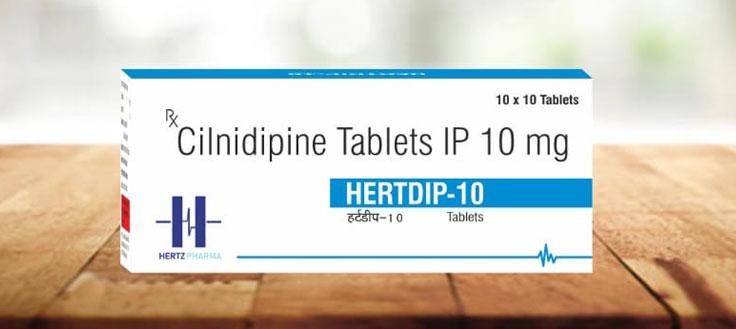
High blood pressure, also known as hypertension, is one of the most common health conditions affecting millions of people worldwide. If left untreated, it can lead to serious complications such as heart attacks, strokes, and kidney problems. Managing blood pressure effectively is essential for maintaining overall health, and medications like Hertdip-10 Tablet play a crucial role in this...