


 Crypto.
 About
About
 Passport
 Conference call
 send money
 Koşullar
 Gizlilik
 Sierra market
What Do Audiobook Publishers Actually Do and How Do They Help Authors Reach More Listeners
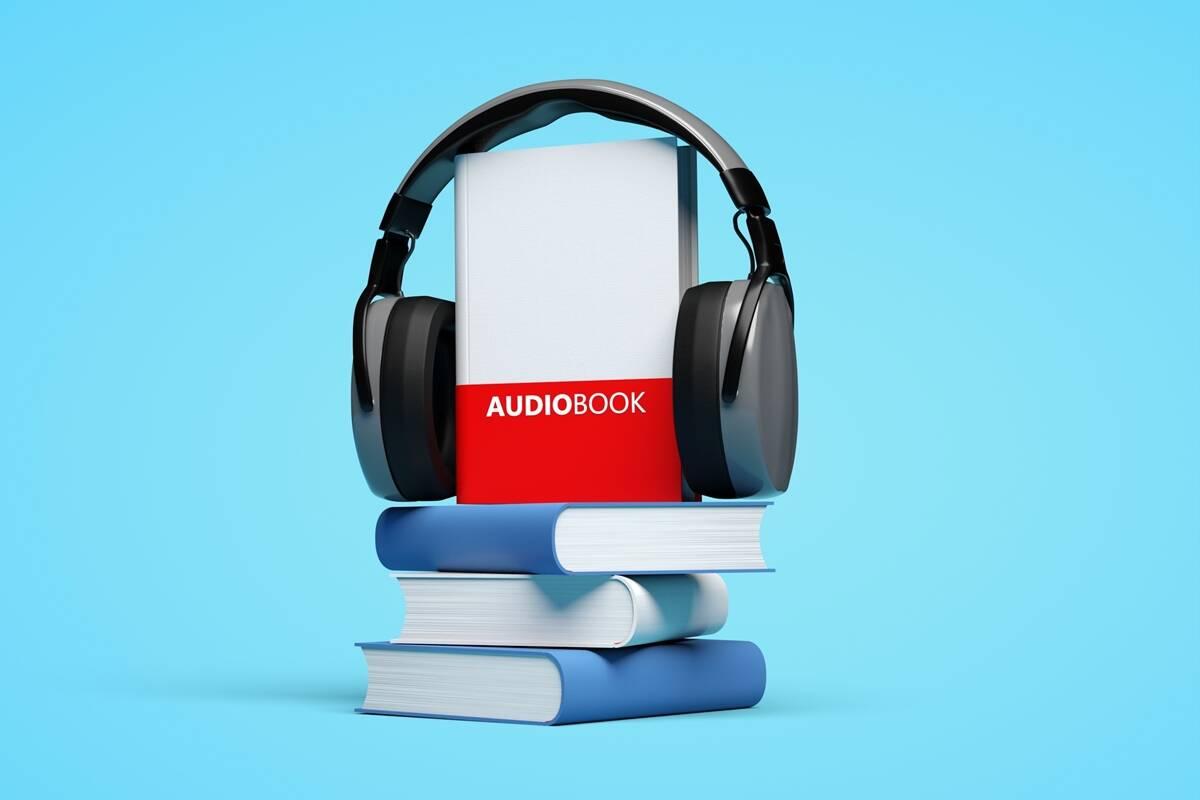
Audiobook publishers transform written books into professional audio experiences by managing narration, recording, editing, distribution, and discoverability. They help authors reach broader audiences by making books accessible through major listening platforms and connecting stories with readers who prefer audio formats.
The publishing industry has evolved significantly over the past decade, and audiobooks have emerged as one of its fastest-growing segments. According to industry reports, global audiobook revenues have experienced double-digit growth in recent years as millions of consumers increasingly embrace listening over traditional reading. The rise of smartphones, subscription services, and multitasking lifestyles has changed how audiences consume content.
Today, audiobook publishers play an important role in helping authors adapt to these changing preferences. While many people assume audiobook production simply involves reading a book aloud, the reality is far more complex. From selecting the right narrator to ensuring audio quality and distribution, publishers contribute expertise that shapes the listener's experience. For authors hoping to expand their reach, understanding these responsibilities can provide valuable insight into how the audiobook ecosystem works.
With audiobook listeners growing across age groups and genres, authors who understand the role of publishers are better equipped to make informed decisions about their publishing strategies.
What Is an Audiobook Publisher?
An audiobook publisher is a company or publishing division responsible for converting written manuscripts into professionally produced audio products. Unlike traditional print publishers that focus primarily on physical and digital books, audiobook publishers specialize in every aspect of audio adaptation.
Their work extends beyond production. They coordinate voice talent, supervise recording sessions, maintain technical standards, distribute titles through multiple channels, and support discoverability efforts.
Industry experts note that audiobook production combines elements of publishing, sound engineering, performance, and marketing. This interdisciplinary approach ensures that listeners receive an engaging and polished experience.
Audiobook publishers typically handle:
- Manuscript evaluation for audio suitability
- Narrator selection
- Recording supervision
- Audio editing and mastering
- Distribution management
- Metadata optimization
- Discoverability initiatives
What Do Audiobook Publishers Actually Do?
The process of producing an audiobook involves multiple stages that require specialized expertise.
1. Evaluating Books for Audio Potential
Not every book translates equally well into audio. Publishers often assess factors such as pacing, dialogue structure, and audience preferences before moving forward.
They may consider:
- Whether the narrative maintains listener engagement
- Genre popularity among audiobook consumers
- Potential demand in the audio market
- Suitability for spoken storytelling
Fiction, memoirs, business books, and self-development titles frequently perform well in audio, although successful audiobooks exist across many genres.
2. Selecting the Right Narrator
Narration can significantly influence listener satisfaction. Research consistently shows that narrator performance is among the top reasons consumers recommend audiobooks.
Publishers evaluate factors including:
- Vocal tone and clarity
- Genre expertise
- Character differentiation skills
- Accent suitability
- Emotional range
A compelling narrator can elevate the material, while poor narration may discourage audience engagement.
3. Managing Recording and Production
Professional audiobook production requires technical precision. Publishers coordinate studio schedules, oversee recording sessions, and ensure consistency throughout the project.
Production tasks often include:
- Monitoring pacing and pronunciation
- Removing background noise
- Correcting performance errors
- Maintaining sound consistency
- Final mastering for distribution standards
This quality assurance process helps create a seamless listening experience.
How Audiobook Publishers Help Authors Reach More Listeners
One of the greatest advantages of audiobook publishing lies in audience expansion.
Audiobooks appeal to consumers who may not regularly purchase printed books. Commuters, busy professionals, parents, fitness enthusiasts, and individuals with visual impairments increasingly rely on audio content because of its convenience and accessibility.
Industry studies suggest that audiobook listeners often consume more books annually than traditional readers. Many discover authors through audio first and later explore print or digital editions.
Audiobook publishers expand reach by:
- Making titles available across multiple platforms
- Increasing accessibility for diverse audiences
- Supporting global discoverability
- Introducing authors to new consumer segments
- Complementing existing print and ebook readership
As listening habits evolve, audiobooks provide authors with another avenue to build meaningful connections with audiences.
Why Are Audiobooks Becoming More Popular?
The growing popularity of audiobooks reflects broader shifts in consumer behavior.
Recent surveys indicate that younger audiences, particularly millennials and Gen Z consumers, increasingly embrace audio content due to flexibility and convenience. Mobile technology has enabled people to integrate reading into activities such as commuting, exercising, cooking, and household tasks.
Several factors contribute to this growth.
Reasons behind audiobook growth include:
- Increased smartphone usage
- Expansion of subscription platforms
- Demand for multitasking-friendly content
- Improved accessibility options
- Wider availability of audiobook titles
- Growing acceptance of audio learning
The audiobook market's sustained expansion suggests that audio will remain an influential component of the publishing industry.
What Should Authors Consider Before Entering the Audiobook Market?
Authors interested in audio adaptations should carefully evaluate whether their books align with listener expectations and long-term goals.
While many writers focus exclusively on traditional publishing, audio offers additional opportunities to diversify audience engagement. For some authors seeking to get your book published in multiple formats, audiobooks can serve as a complementary extension rather than a replacement for print and digital editions.
Before moving forward, authors should assess:
- Audience preferences
- Genre compatibility
- Existing readership
- Rights ownership
- Production expectations
- Budget considerations
- Long-term publishing objectives
Thoughtful planning helps authors determine whether audio aligns with their broader publishing strategies.
Common Misconceptions About Audiobook Publishers
Several misconceptions persist regarding audiobook production.
Many people underestimate the expertise required to create professional audio experiences. Understanding these myths helps authors develop realistic expectations.
Myth 1: Audiobooks simply involve reading aloud.
Professional production requires narration skills, editing, and technical expertise.
Myth 2: Only bestselling authors benefit from audiobooks.
Many emerging authors successfully reach new audiences through audio.
Myth 3: Narrator choice doesn't matter.
Narrator performance strongly influences listener satisfaction.
Myth 4: Audiobooks appeal to limited audiences.
Listener demographics continue expanding across age groups and interests.
Correcting these misconceptions enables authors to better appreciate the value of professional audiobook production.
Case Study: How Audiobooks Expanded an Author's Reach
A nonfiction author with moderate ebook sales noticed stagnant audience growth despite positive reviews. Readers appreciated the content, but discoverability remained limited.
Recognizing changing consumption habits, the book was adapted into audio using professional narration and distributed through multiple listening platforms.
Within several months, the author observed increased engagement from listeners who had never encountered the print edition. Reviews highlighted the narrator's effectiveness and the convenience of consuming the material during commutes and workouts.
Key outcomes included:
- Expanded audience demographics
- Increased cross-format discovery
- Greater accessibility
- Improved reader engagement
- Enhanced visibility across platforms
While results vary by title and genre, this example illustrates how audiobooks can broaden audience reach beyond traditional channels.
Expert Tips for Authors Exploring Audiobook Publishing
As the audiobook industry continues to evolve, authors should approach audio strategically rather than reactively.
Practical recommendations:
- Study listener preferences within your genre.
- Prioritize narration quality.
- Understand distribution pathways.
- Research emerging audiobook trends.
- Think long-term about multi-format publishing.
- Continue engaging readers across formats.
Industry professionals consistently emphasize that successful audiobook publishing requires preparation, quality, and audience awareness.
Conclusion
Audiobook publishers do far more than convert text into spoken words. They oversee narrator selection, recording, editing, quality control, distribution, and discoverability, ensuring that books resonate with listeners in meaningful ways.
As audiobook consumption continues to rise worldwide, understanding the role of audiobook publishers becomes increasingly important for authors seeking to adapt to changing reader habits. Audiobooks offer accessibility, convenience, and opportunities to connect with audiences who prefer listening over traditional reading.
Whether authors are established writers or exploring audio for the first time, informed decisions rooted in audience needs and publishing knowledge can help maximize the potential of this rapidly growing format.
FAQs
1. What do audiobook publishers do?
Audiobook publishers manage narration, recording, editing, distribution, and discoverability to transform written books into professional audio experiences.
2. How do audiobook publishers help authors reach more listeners?
They distribute titles across multiple platforms, improve accessibility, and connect authors with audiences who prefer listening to reading.
3. Do all books make good audiobooks?
Not necessarily. Factors such as genre, narrative style, and audience preferences influence whether a book translates effectively into audio.
4. Why is narrator selection important?
Narrators shape the listening experience through tone, pacing, and emotional delivery, making them a major factor in listener satisfaction.
5. Are audiobooks only beneficial for bestselling authors?
No. Emerging and independent authors can also expand their reach and attract new audiences through audiobook formats.
Bub
Do?

Kategoriler
Read More
October's Netflix ISP Speed Index reveals notable shifts in performance across regions. In the United States, Comcast made significant progress, climbing two positions to secure the sixth spot with improved speeds of 3.61 Mbps, representing a 0.09 Mbps increase from September. Meanwhile, Mexico's telecommunications landscape showed concerning trends as Telecable continued its downward...

Venture into the vast sands to uncover level 3 relics. For a complete guide, visit the main desert artifacts hub. Due to the extensive number of sites, the guide is divided into sections. Explore level 1 or level 2 for earlier finds. This section details level 3. Continue your search with level 4 or level 5. For the most advanced treasures, see level 6 and level 7....
Streaming Landscape Overview In today's digital entertainment landscape, streaming platforms have revolutionized how we consume media. With 2025 approaching, the competition among major services continues to intensify, offering consumers more choices than ever before. The streaming ecosystem has evolved dramatically in recent years. What began as a handful of major players has expanded into a...
If you're grinding the Mr. Burns' Treasures board right now, the clock matters more than usual, and the smartest place to start is Monopoly Go Stickers if you also care about keeping your album moves in sync with the treasure run. What Makes This Event So Spiky Mr. Burns' Treasures isn't one of those calm little side events. It eats Pickaxe Tokens fast, then suddenly pays you back with dice,...
Base Oil Market Summary “The global Base Oil Market is expected to reach to USD 27.9 billion by 2032, growing at a CAGR of 4.5% during 2025 to 2032” The TrendBridge Insights Research report, “Global Base Oil Market Report 2025 – Future Opportunities, Latest Trends, In-depth Analysis, and Forecast To 2032”, delivers strategic insights into the...
