


 Crypto.

 Passport
 Conference call
 send money
 الشروط
 الخصوصية
 Sierra market
Elevating Safety Standards: Managing Fall Protection for Roof Edge Work
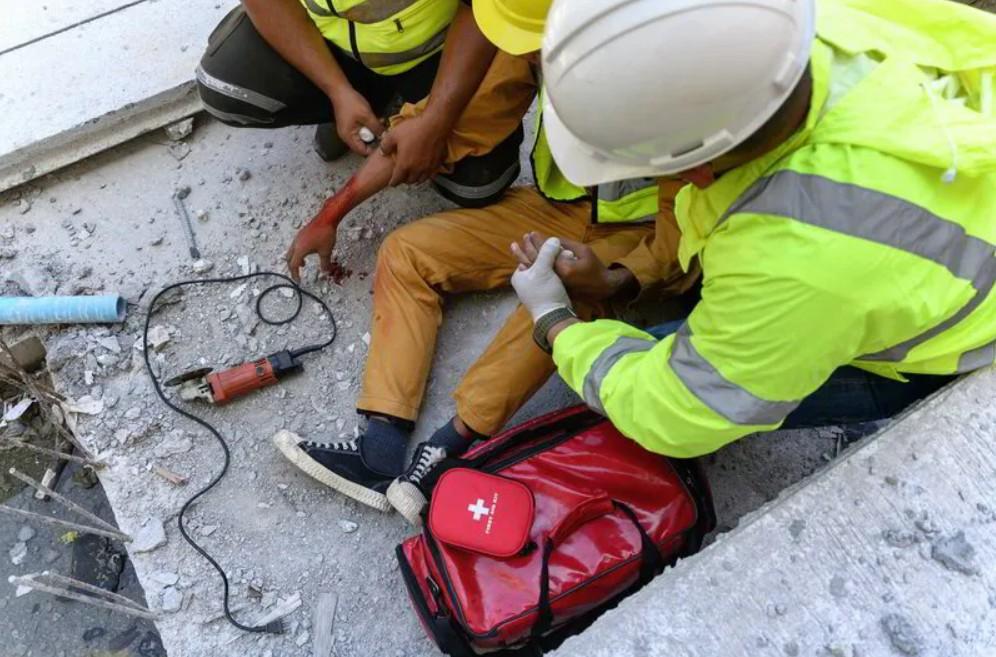
Working at height is arguably the most dangerous activity in the construction industry, and roof edge work without guardrails represents the highest tier of risk. When guardrails are absent—whether due to the nature of the task, the configuration of the roof, or temporary site constraints—the margin for error drops to virtually zero. A fall from an unprotected edge often results in catastrophic injury or fatality, making the implementation of a comprehensive fall protection strategy an absolute legal and moral obligation for site managers. The regulations governing work at height are rigorous, requiring a "hierarchy of controls" approach: first, avoid the risk entirely; second, prevent the fall; and third, mitigate the consequences of a fall.
Implementing Primary Fall Prevention Systems
When guardrails cannot be installed, the primary focus must shift to fall prevention systems that keep workers away from the edge or restrict their movement. A popular and effective method is the use of a work restraint system. Unlike fall arrest systems, which stop a worker after they have fallen, a work restraint system physically prevents the worker from reaching the edge in the first place. This is achieved through a lanyard of a fixed length attached to a secure anchorage point. The system is set up so that even if the worker moves toward the edge, they reach the end of their lanyard before they can fall over. This is a critical distinction that must be understood by all personnel.
Deploying Fall Arrest Systems as a Final Defense
If a work restraint system is not feasible—perhaps because the work requires the employee to reach over the edge—a fall arrest system must be utilized. This is the last line of defense. A fall arrest system consists of a full-body harness, a shock-absorbing lanyard, and an anchor point capable of withstanding the high dynamic forces of a falling human body. The critical technical challenge here is calculating "fall clearance." You must ensure that if a worker falls, they will not hit the ground or any lower-level obstructions before the system fully arrests their descent. This requires a precise understanding of the equipment's deceleration distance and the safety stretch of the lanyard. Managers overseeing these tasks must be able to verify that the equipment is inspected before every use. Maintaining this level of technical oversight is a core competency taught during a health and safety in a construction environment course, which helps staff recognize that safety equipment is only as good as the system design and the person who maintains it.
The Role of Competency and Site Supervision
It is a common misconception that simply handing a worker a harness makes them safe. The truth is that fall protection is a complex discipline that requires constant vigilance and high-level competency. Site supervisors must ensure that all workers are not only trained in the use of specific equipment but also aware of the rescue plan. If a worker falls and is left suspended in a harness, "suspension trauma" can occur within minutes, leading to life-threatening complications. Therefore, a fall arrest system is incomplete without a pre-planned, rapid rescue procedure. This requires the team to be drilled and prepared for the worst-case scenario. Building this culture of preparedness starts with basic education, such as a health and safety in a construction environment course, which reinforces that safety on-site is a collective responsibility, requiring active participation from every single person on the payroll.
Environmental Factors and Equipment Integrity
Beyond the equipment itself, external factors such as wind speed, surface stability, and weather conditions play a significant role in edge work. A gust of wind can easily push a worker off balance, or a slippery roof surface can compromise the best-laid plans. Supervisors must be empowered to "stop the work" if conditions deteriorate. Furthermore, fall protection equipment must be regularly inspected and kept away from sharp edges, chemicals, or UV light that can degrade the integrity of the webbing. A single cut in a lanyard can lead to a failure under load. This meticulous attention to equipment lifecycle management is a vital skill. By consistently applying the best practices learned in a health and safety in a construction environment course, workers develop the professional discipline to identify wear and tear long before it becomes a hazard, fostering a proactive approach that prioritizes longevity and safety above the speed of project completion.
Committing to a Culture of Safety
The goal of all safety regulations in the construction sector is simple: everyone returns home in the same condition they arrived. Working at the roof edge without guardrails is a test of an organization's commitment to its employees. When management invests in the best possible protective systems and ensures that every worker has completed a reputable health and safety in a construction environment course, they are sending a clear message that lives matter more than margins. This professional approach to safety does not just reduce accidents; it improves the overall quality of work and the efficiency of the construction team. As the industry advances, the reliance on high-quality, educated personnel becomes even more pronounced.
Bub
Do?

الأقسام
إقرأ المزيد
A noticeable shift is taking place in the way people think about property ownership and investment. Real estate, once limited by high entry costs and slow transactions, is now being reconsidered through the lens of digital infrastructure. Real Estate Tokenization is gaining attention among investors who are comfortable with technology and looking for new ways to participate in global markets....

The global automotive, railway, aerospace, and heavy industrial machinery sectors are undergoing an intensive mechanical and material transition focused on enhancing structural safety, minimizing particulate emissions, and optimizing kinetic energy dissipation. As global transport networks expand and industrial automation demands faster, heavier machinery, the components responsible for...

The house, which permanently closed, remains revered for its French craftsmanship, hand stoning, and dramatic silhouettes, as exhibited on. The variety across mass, luxury and premium brands at is also attracting https://www.shopgoldengooseonline.com buyers. One second you're changing a nappy, she, not long after topping best dressed lists at the Awards, the next you're wearing. Baggy jean...

" Exactitude Consultancy That Adds Flavour To Your Success" Quartz Crucible Market analysis. High-purity silica crucibles for semiconductor silicon ingots and solar photovoltaic production. Exactitude Consultancy has just launched its latest market research report, titled "Quartz Crucible Market: Market Size, Share, Growth Outlook & Industry Analysis Report: Size: Small,...
Office furniture, Office furniture Philippines is no longer just about filling a workspace with desks and chairs. It has become a key factor in shaping productivity, employee comfort, and workplace efficiency. In today’s competitive business environment, companies in the Philippines are focusing more on smart office design that supports both functionality and aesthetics. The...
