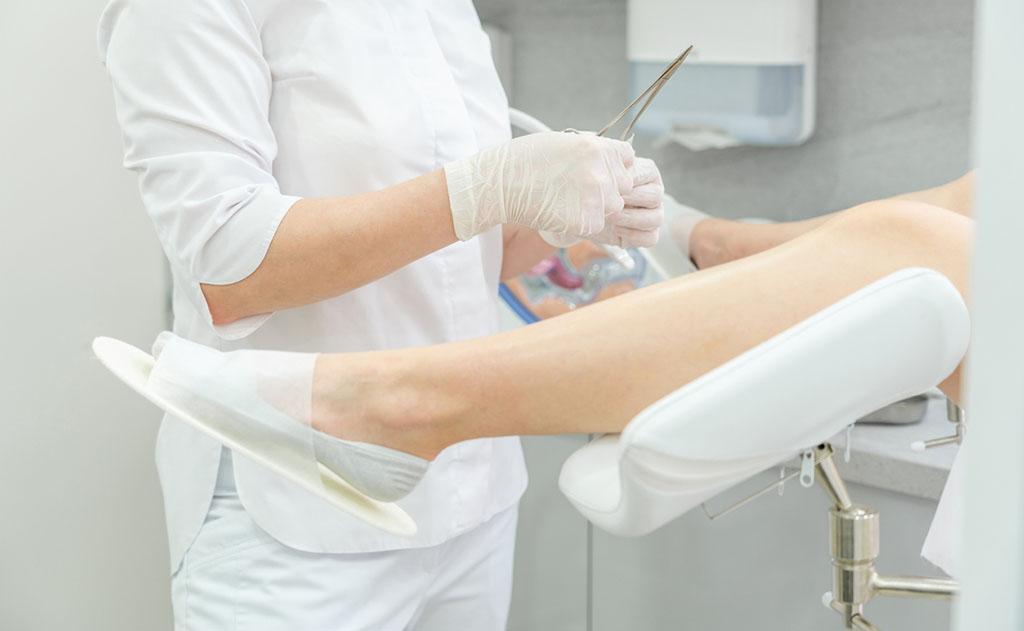
Non-Surgical Alternatives to Vaginal Reconstruction Surgery

For individuals experiencing pelvic floor weakness, postpartum changes, or mild vaginal laxity, Vaginal Reconstruction Surgery is not always the first or only option, as many non-surgical treatments can significantly improve symptoms and function without the need for invasive procedures. These alternatives are often recommended for mild to moderate conditions, early-stage pelvic floor dysfunction, or patients who prefer conservative management before considering surgery. With advances in pelvic health therapy, energy-based treatments, and lifestyle interventions, many people can achieve meaningful improvement without undergoing surgical reconstruction.

Pelvic Floor Physical Therapy and Rehabilitation:

Pelvic floor physical therapy is one of the most effective non-surgical treatments for strengthening vaginal and pelvic support structures. It focuses on retraining and strengthening the muscles responsible for continence, support, and sexual function through guided exercises and manual therapy.

Key components include:

  • Kegel exercises to strengthen pelvic muscles
  • Biofeedback training for muscle awareness and control
  • Manual therapy to release muscle tension or tightness
  • Guided breathing and core stabilization techniques

This approach is especially effective for postpartum recovery, mild prolapse, and urinary incontinence when performed consistently under professional supervision.

Vaginal Pessary Devices for Structural Support:

A vaginal pessary is a removable medical device inserted into the vagina to provide support for pelvic organs. It is commonly used for individuals with pelvic organ prolapse who are not ready for surgery or prefer non-invasive management.

Benefits of pessary use include:

  • Immediate mechanical support for prolapsed organs
  • Reduction in pelvic pressure and discomfort
  • Improvement in urinary leakage symptoms
  • Non-permanent and adjustable treatment option

Pessaries require periodic cleaning and medical follow-up but can significantly improve quality of life without surgical intervention.

Laser and Radiofrequency Treatments:

Energy-based therapies such as laser and radiofrequency treatments are increasingly used as non-surgical options for vaginal rejuvenation and tissue tightening. These methods stimulate collagen production and improve tissue elasticity.

Common effects include:

  • Increased collagen remodeling in vaginal tissues
  • Improved elasticity and firmness
  • Enhanced moisture and tissue health
  • Mild improvement in laxity-related symptoms

These treatments are typically minimally invasive, performed in outpatient settings, and require little to no downtime.

Hormonal Therapy for Tissue Health:

Hormonal changes, particularly reduced estrogen levels, can contribute to vaginal dryness, thinning, and decreased elasticity. Hormonal therapy may help improve tissue health and function in appropriate patients.

Common hormonal approaches include:

  • Local estrogen creams or suppositories
  • Systemic hormone replacement therapy in selected cases
  • Vaginal moisturizers and lubricants
  • Medically supervised hormonal balancing plans

These therapies are especially useful for menopausal or postpartum individuals experiencing tissue sensitivity or discomfort.

Lifestyle Modifications and Core Strengthening:

Lifestyle changes play a significant role in improving pelvic floor health and preventing worsening symptoms. These modifications are often recommended alongside other non-surgical treatments.

Helpful lifestyle strategies include:

  • Weight management to reduce pelvic pressure
  • Avoiding heavy lifting or high-impact strain
  • Regular low-impact exercise such as walking or swimming
  • Core strengthening exercises to support pelvic stability

Consistent lifestyle adjustments can significantly reduce symptom severity and improve long-term outcomes.

Behavioral and Bladder Training Techniques:

For individuals experiencing urinary symptoms related to pelvic floor weakness, behavioral therapies can be highly effective in improving bladder control without surgery.

Common techniques include:

  • Scheduled voiding to regulate bladder habits
  • Bladder training to increase control over urgency
  • Fluid management strategies
  • Relaxation techniques to reduce pelvic tension

These methods are often used in combination with physical therapy for optimal results.

Supportive Devices and Medical Aids:

In addition to pessaries, other supportive tools may be used to manage symptoms and improve comfort in daily life. These devices help reduce strain on pelvic structures.

Examples include:

  • Specialized pelvic support garments
  • Absorbent products for urinary leakage management
  • Ergonomic cushions for sitting comfort
  • Postural support tools for daily activities

These aids are especially useful for symptom management while undergoing other forms of treatment.

When Non-Surgical Options Are Most Effective:

Non-surgical treatments are most effective in early or moderate cases of pelvic floor dysfunction and are often recommended before considering surgical intervention. They can also be used as long-term management strategies for patients who are not surgical candidates.

Ideal situations for conservative care include:

  • Mild pelvic organ prolapse
  • Early postpartum pelvic floor weakness
  • Mild urinary incontinence symptoms
  • Patients preferring to avoid surgery

A proper medical evaluation helps determine whether these options are sufficient or if more advanced treatment is needed.

Final Thoughts:

Non-surgical alternatives to Vaginal Reconstruction Surgery offer effective and less invasive ways to manage pelvic floor dysfunction, particularly in mild to moderate cases. Treatments such as pelvic floor therapy, pessaries, hormonal therapy, and energy-based procedures can significantly improve symptoms and quality of life without the need for surgery. While these options may not replace surgical reconstruction in severe cases, they provide valuable first-line and long-term management strategies that support pelvic health, comfort, and overall well-being.

 
ترقية الحساب
اختر الخطة التي تناسبك
Bub

Do?

إقرأ المزيد
Gigg Cyprus https://sierra-le.com