


 Crypto.
 Sobre
Sobre
 Passport
 Conference call
 send money
 Termos
 Privacidade
 Sierra market
BMW N55 Engine Rebuild – Understanding Repair Costs and Engine Reliability
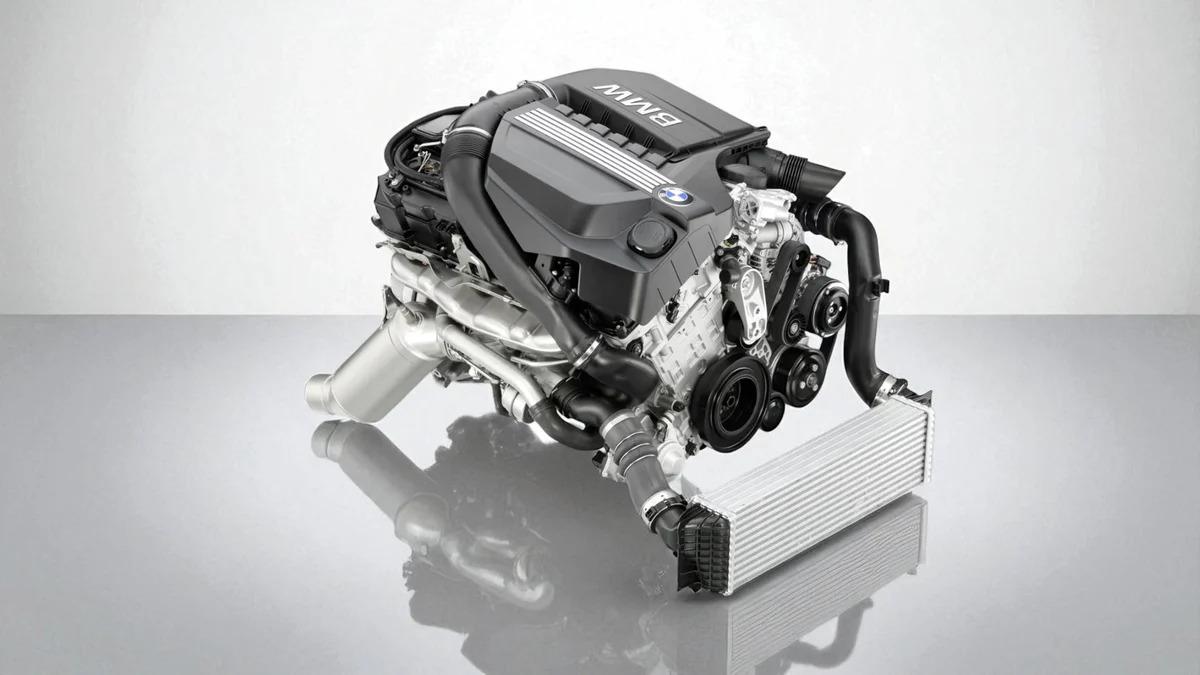
The BMW N55 engine is respected for its smooth turbocharged performance, fuel efficiency, and strong driving experience. Found in several BMW models, this engine became popular because it balances power and daily drivability effectively. However, like many turbocharged engines, long-term reliability depends heavily on maintenance and timely repairs.
As mileage increases, many owners begin experiencing engine-related problems that eventually lead them to consider a BMW N55 engine rebuild. One of the biggest concerns during this process is understanding the N55 engine rebuild cost and the factors that influence it.
Common Signs of N55 Engine Problems
Most engine failures begin with smaller issues that gradually worsen over time. Ignoring these warning signs can lead to expensive internal damage and reduced engine lifespan.
Common symptoms include:
- Rough idling
- Excessive oil consumption
- Engine overheating
- Turbocharger failure
- White or blue exhaust smoke
- Loss of power during acceleration
- Knocking or ticking sounds
- Frequent warning lights
Drivers often delay repairs because the vehicle still runs, but continued driving with internal engine problems usually increases repair costs significantly.
Why the N55 Engine Develops Internal Damage
Turbocharged engines generate more heat and pressure than naturally aspirated engines. Over time, this added stress affects internal components such as pistons, bearings, timing components, and seals.
Several factors contribute to engine wear, including:
- Delayed oil changes
- Cooling system failures
- Oil starvation
- Aggressive driving habits
- Poor-quality fuel
- High mileage
- Improper maintenance
When these issues remain unresolved, severe internal wear can eventually require a complete BMW N55 engine rebuild.
What Happens During an Engine Rebuild?
An engine rebuild involves completely disassembling the engine, inspecting damaged components, replacing worn parts, and restoring the engine to proper operating condition.
The rebuild process may include:
- Replacing pistons and piston rings
- Installing new bearings
- Replacing seals and gaskets
- Inspecting the crankshaft
- Repairing cylinder head components
- Replacing timing components
- Cleaning internal oil passages
The purpose of rebuilding is to restore engine reliability and improve long-term performance without replacing the entire engine assembly.
Understanding N55 Engine Rebuild Cost
The N55 engine rebuild cost varies depending on the severity of engine damage, labor requirements, replacement parts, and machining work needed during the rebuilding process.
Several factors influence the final cost, including:
Extent of Internal Damage
Minor wear may only require replacing specific components, while severe engine damage can require extensive machining and part replacement.
Replacement Parts Quality
OEM or performance-grade components typically increase rebuilding costs but may improve reliability and durability.
Labor Complexity
Turbocharged BMW engines are mechanically complex and require experienced technicians. Labor time can vary significantly depending on the condition of the engine.
Additional Repairs
Cooling system failures, turbocharger problems, or fuel system issues may also need attention during the rebuild process, increasing the total N55 engine rebuild cost.
Why Accurate Diagnosis Matters
Proper diagnosis is important before beginning major engine work. Some problems that appear severe may actually involve external components rather than catastrophic internal failure.
Professional inspections often include:
- Compression testing
- Leak-down testing
- Oil pressure testing
- Turbocharger inspection
- Cooling system analysis
Accurate diagnosis helps determine whether rebuilding is truly necessary or if smaller repairs can solve the issue.
Preventing Future Engine Problems
After rebuilding, consistent maintenance becomes extremely important for long-term reliability.
Helpful maintenance habits include:
- Regular synthetic oil changes
- Monitoring coolant temperatures
- Replacing leaking gaskets early
- Using quality fuel
- Avoiding repeated overheating
- Addressing warning lights quickly
Preventive maintenance can help reduce the risk of future internal engine damage and expensive repair bills.
Long-Term Reliability After Rebuilding
A professionally completed BMW N55 engine rebuild can restore smooth performance, improve reliability, and significantly extend engine lifespan. The long-term success of the rebuild depends on repair quality, proper assembly, and ongoing maintenance practices.
Drivers who maintain the engine properly after rebuilding often experience better performance and fewer major mechanical issues over time.
Final Thoughts
The N55 engine delivers impressive performance, but long-term durability requires proper care and timely repairs. Understanding common engine problems and addressing them early can help prevent catastrophic failures and reduce repair expenses.
Because the N55 engine rebuild cost depends on multiple factors, accurate diagnosis and professional inspection are essential before making repair decisions. With proper rebuilding procedures and regular maintenance, the N55 engine can continue operating reliably for many years.
Bub
Do?

Categorias
Leia Mais
Within the US gaming industry, significant Chinese investment holdings are under renewed governmental scrutiny. The focus centers on a major technology firm's extensive portfolio in American game developers, including full ownership of Riot Games and a substantial stake in Epic Games. These financial ties have prompted high-level discussions regarding potential national security implications,...

Netflix has unveiled plans for a special commemorative event honoring the groundbreaking comedy series Rowan & Martin's Laugh-In on its golden anniversary. The streaming giant will present a star-studded celebration featuring an impressive roster of entertainment industry luminaries. The tribute showcase brings together comedy icon Lily Tomlin, who was part of the original ensemble,...
Festive Goblin Event Festivities arrive in Sanctuary as mischievous goblin variants make their way through the realm, bringing with them an abundance of treasures. Players can seize the opportunity to collect extra whisper caches, boosting their loot. Additionally, special holiday-themed cosmetics are up for grabs, adding a festive touch to your collection. As the impoverished inhabitants of...
Best VPNs for 10 Play 10 Play can only be streamed from within Australia, so if you’re overseas the service will block access. Fortunately, a VPN can solve that by giving you an Australian IP address and letting you watch as if you were back home. How a VPN helps A virtual private network encrypts your traffic and routes it through a server you choose. That makes your connection private...
Wuthering Waves has officially introduced Cantarella as a new 5-star character arriving in version 2.2. Previously, leaks hinted at her upcoming debut, and while more Rinascita characters are anticipated in future updates, Cantarella takes the spotlight for now. Back in February, the game released its eagerly awaited 2.1 update, which brought fresh explorable zones, a limited-time fishing...
