Crypto.
 About
About
 Passport
 Conference call
 send money
 Términos
 Privacidad
 Sierra market
What to Expect from Fractional CO2 Laser Treatment
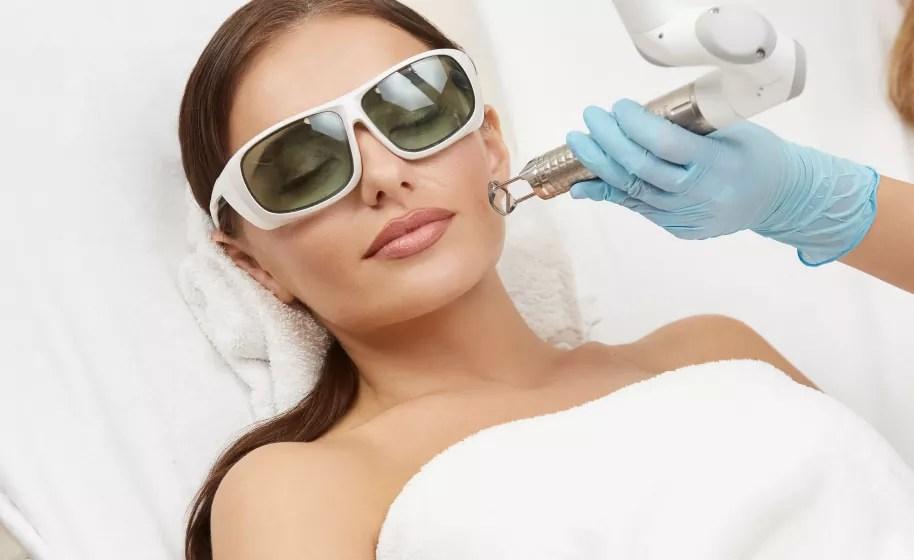
Modern dermatology offers advanced solutions for improving skin texture, tone, and overall appearance, and one of the most effective options available today is the Fractional CO2 Laser. This treatment is widely used for skin rejuvenation because it targets damaged skin layers while stimulating collagen production, helping to reduce wrinkles, scars, and uneven pigmentation. Unlike traditional resurfacing methods, it works in a fractionated pattern, meaning only a portion of the skin is treated at a time, allowing faster healing and more controlled results. Many individuals choose this procedure to achieve smoother, younger-looking skin with long-term improvement rather than temporary fixes.
How the Treatment Works:
The procedure works by delivering precise beams of laser energy into the skin, creating micro-injuries that trigger the body’s natural healing response. These controlled injuries encourage new skin cell growth and boost collagen production, which gradually improves skin quality over time. The treatment is typically customized based on the patient’s skin type and concerns, ensuring optimal results with minimal risk.
- The laser targets microscopic sections of skin rather than the entire surface
- Heat energy stimulates collagen remodeling beneath the skin
- Damaged skin cells are replaced with healthier, newer cells
- Treatment depth can be adjusted depending on skin condition
- Sessions are usually performed under topical anesthesia for comfort
Common Skin Concerns It Treats:
This treatment is highly versatile and is used to address a wide range of dermatological concerns, making it popular among both younger and older patients. It is especially effective for improving visible skin damage caused by aging, sun exposure, and acne scarring. Over time, patients notice significant improvement in skin clarity and smoothness.
- Fine lines and deep wrinkles around the eyes and mouth
- Acne scars and surgical scars
- Sun damage and pigmentation irregularities
- Uneven skin tone and rough texture
- Enlarged pores and loss of skin elasticity
By targeting these concerns at a deeper level, the procedure promotes long-lasting skin renewal rather than superficial improvement.
What to Expect During the Procedure:
Before the session begins, the skin is thoroughly cleansed and a numbing cream is applied to reduce discomfort. The treatment itself usually takes between 30 minutes to an hour depending on the size of the area being treated. Patients may feel a warm, tingling sensation as the laser passes over the skin, but the discomfort is generally manageable.
- A topical anesthetic is applied before starting
- Protective eyewear is provided for safety
- The laser device is moved systematically across the treatment area
- Mild redness and warmth are common immediately after the session
- Cooling techniques may be used to soothe the skin afterward
Most patients are able to return home shortly after the procedure, although the skin may appear slightly red and swollen for a short period.
Recovery and Downtime:
Recovery plays an important role in achieving the best possible results, and healing time can vary depending on the intensity of the treatment. In most cases, patients experience a few days of redness, followed by gradual peeling and renewal of the skin. Proper aftercare is essential to avoid complications and enhance healing.
- Redness and swelling typically last 2–5 days
- Skin may feel tight or resemble mild sunburn
- Peeling or flaking occurs as new skin forms
- Sun exposure should be strictly avoided during recovery
- Moisturizers and healing ointments help speed up recovery
While light treatments may require minimal downtime, deeper resurfacing sessions may take up to two weeks for full healing.
Benefits and Results:
One of the main reasons patients choose this treatment is its ability to deliver noticeable and long-lasting improvements in skin quality. Results continue to develop over several weeks as collagen production increases and new skin cells replace damaged tissue.
- Smoother and more even skin texture
- Reduction in fine lines and wrinkles
- Improved appearance of scars and pigmentation
- Firmer, more youthful-looking skin
- Long-term collagen stimulation for ongoing improvement
The gradual nature of the results ensures a natural-looking transformation rather than an artificial or overly processed appearance.
Aftercare Tips:
Proper aftercare is essential for maximizing results and preventing irritation or infection. Patients are advised to follow a gentle skincare routine and avoid harsh products during the healing phase.
- Use gentle, fragrance-free cleansers and moisturizers
- Apply sunscreen daily once the skin begins to heal
- Avoid picking or scratching peeling skin
- Stay hydrated to support skin recovery
- Follow all post-treatment instructions provided by the dermatologist
Adhering to these guidelines helps ensure smoother healing and enhances the overall outcome of the procedure.
Final Thoughts:
Fractional laser resurfacing has become a trusted option for individuals seeking noticeable skin improvement without undergoing invasive surgery. With proper consultation, realistic expectations, and consistent aftercare, patients can achieve significant enhancements in skin texture, tone, and overall appearance. The treatment continues to gain popularity due to its balance of effectiveness and safety, making it a valuable choice for long-term skin rejuvenation.
Bub
Do?

Categorías
Read More
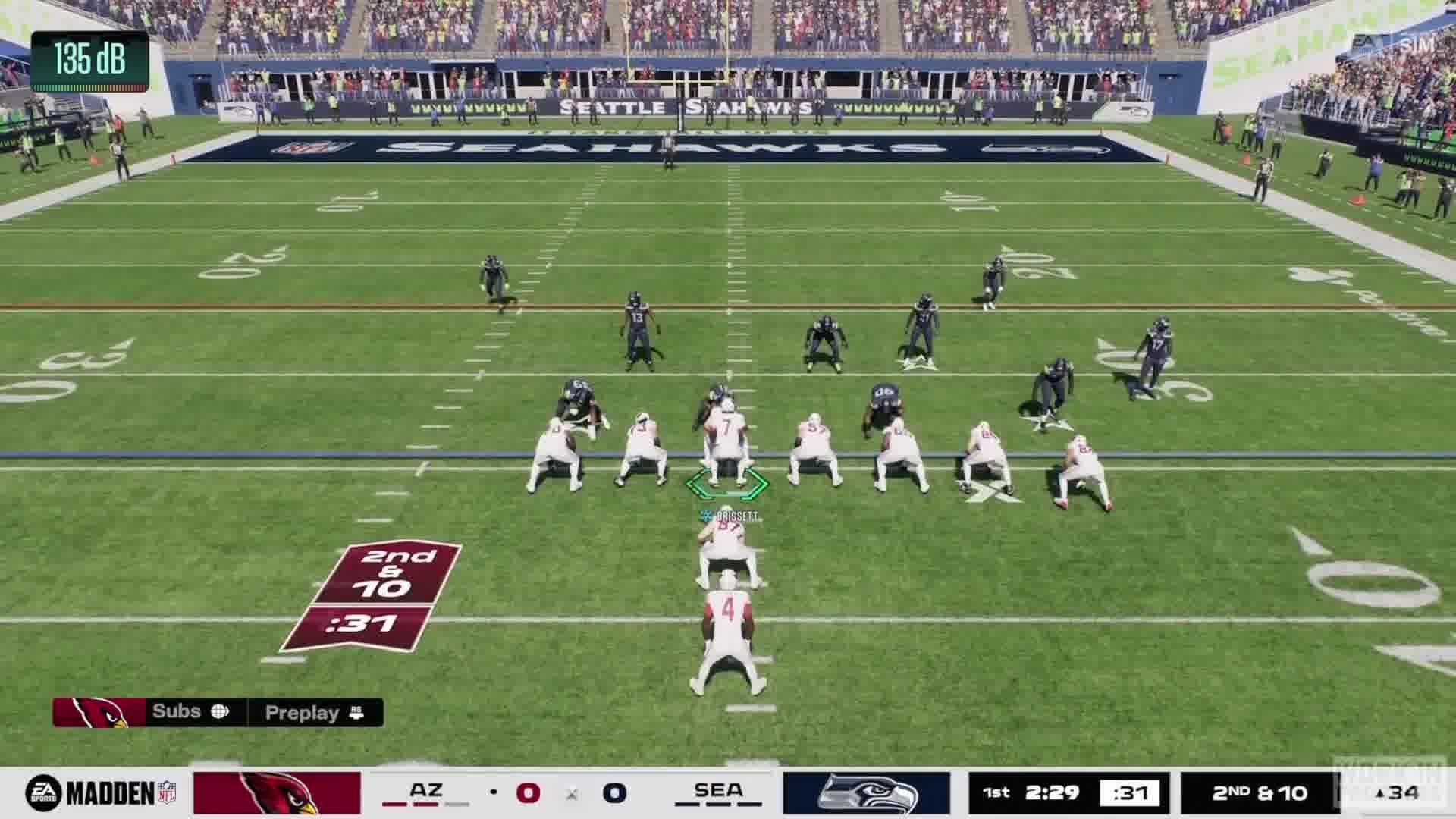
With Madden 27 approaching its release, players are already analyzing every gameplay clip to discover the strongest strategies and potential problems that could shape the early competitive environment. While many fans are focused on building their Ultimate Team rosters, collecting top players, and preparing their squads with enough resources such as Mut coins, one major gameplay discussion has...
PUBG’s Season 4 update is now live on PC, bringing a thoroughly overhauled version of Erangel, the game’s original map. The changes range from subtle terrain adjustments to larger layout renovations, all while preserving the familiar geography that veteran players have known since Early Access. Players exploring the map will notice visual improvements and reworked locations that...

Celebrate the Magic of Reading: Harry Potter Book Night Returns! February 6th marks the exciting return of Harry Potter Book Night, now in its sixth magical year. This beloved annual tradition, originally launched by Bloomsbury Publishing in 2014, continues to unite Potter enthusiasts worldwide in celebration of J.K. Rowling's enchanting series. This year's festivities center around the...
Microsoft's Security Evolution: A Decade of Progress Microsoft's journey toward enhanced security practices has been transformative, yielding both technical advancements and compelling narratives from the frontlines. The company recently launched an educational portal chronicling their security evolution over the past ten years. The Security Development Lifecycle (SDL) represents Microsoft's...
In the sprawling digital landscape of Bigo Live, the traditional boundaries of geography and genre are being rewritten every day. While the platform is a global stage for talent of all kinds, one of the most captivating trends in 2026 is the rise of cross-cultural musical fusion. In "Multi-guest" rooms spanning from Seoul to London, a new sonic language is being born—one where the...