

GPT-INDIA Dust Collection System: Complete Guide to Industrial Dust Control Solutions
Industrial manufacturing processes generate dust in almost every sector, from woodworking and metal fabrication to pharmaceuticals, food processing, cement production, and chemical manufacturing. Without an effective Dust Collection System, airborne dust can spread throughout production areas, affect equipment performance, contaminate products, and increase maintenance requirements. This is why modern industries invest in advanced dust control solutions designed to capture dust at its source.
A Dust Collection System is one of the most important components of an industrial Air Pollution Control System. It helps maintain cleaner production environments, improves operational efficiency, and supports long-term equipment reliability. As industries continue to modernize, dust collection technology has become essential for efficient manufacturing operations.
What Is a Dust Collection System?
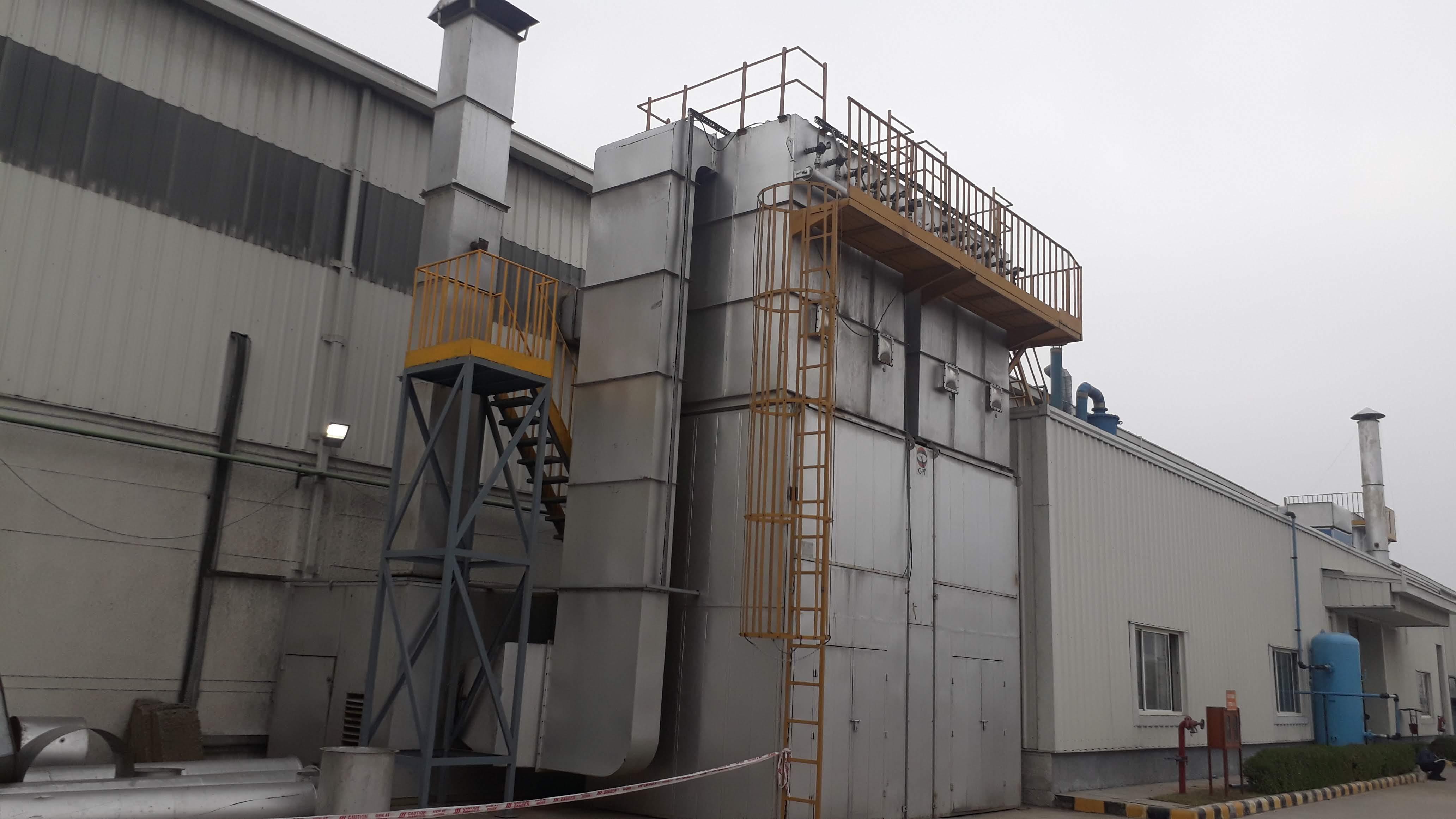
A Dust Collection System is an engineered network designed to capture, transport, filter, and collect dust generated during industrial processes. Instead of allowing dust to disperse throughout the facility, the system captures contaminants directly from the source and removes them from the air stream.
A typical Dust Collection System includes collection hoods, ductwork, Dust Collectors, Centrifugal Blowers, Filter Bags, Rotary Air Locks, and dust storage hoppers. These components work together to ensure efficient dust removal and clean airflow.
The system can be customized depending on the type of dust, production process, and facility requirements.
How Does a Dust Collection System Work?
The process begins when dust is generated during manufacturing operations such as grinding, cutting, mixing, sanding, crushing, or material handling.
Collection hoods capture the dust at the source before it spreads into the workplace. Powerful Centrifugal Blowers create airflow that transports the dust through ductwork toward the filtration equipment.
Inside the Dust Collector, contaminants are separated from the air using filtration technologies such as Pulse Jet Bag Filters, Bag Filters, Cyclone Dust Collectors, or Multicyclone Dust Collectors.
The collected dust is discharged into a hopper through a Rotary Air Lock while clean air is safely released or recirculated depending on the system design.
Why Is a Dust Collection System Important?
Dust accumulation can negatively affect industrial operations in several ways. Fine airborne particles can settle on machinery, production lines, and finished products, increasing cleaning requirements and reducing operational efficiency.
An efficient Dust Collection System continuously removes airborne contaminants, helping maintain cleaner production conditions. It also reduces dust buildup on critical equipment, which can improve machine performance and reduce maintenance downtime.
For industries handling fine powders, wood dust, metal dust, or chemical particles, a properly designed system is essential for reliable operations.
Types of Dust Collection Systems
Different industries require different dust collection technologies.
A Wood Dust Collector is designed specifically for woodworking applications such as cutting, routing, and sanding.
A Cyclone Dust Collector uses centrifugal force to remove larger particles before filtration.
A Multicyclone Dust Collector consists of multiple cyclone chambers for improved separation efficiency.
Portable Dust Collectors are ideal for workshops and applications where mobility is important.
Pulse Jet Bag Filters provide high-efficiency filtration with automatic filter cleaning, making them suitable for continuous industrial operations.
Selecting the appropriate system depends on dust characteristics, airflow requirements, and production volume.
Industries That Use Dust Collection Systems
Dust Collection Systems are used across a wide range of industrial sectors.
Woodworking facilities use them to capture sawdust and fine wood particles generated during machining operations.
Metal fabrication plants rely on Dust Extractors and Dust Collectors for grinding, polishing, and cutting applications.
Food processing industries use dust collection equipment to manage powders and dry ingredients.
Pharmaceutical manufacturers require advanced filtration systems to control airborne particles during production.
Cement plants, chemical industries, plastics manufacturers, packaging facilities, and engineering workshops also depend on reliable dust collection solutions.
How to Choose the Right Dust Collection System
Selecting the best Dust Collection System requires careful evaluation of operational requirements.
The type of dust being generated is one of the most important considerations. Fine powders, abrasive dust, and fibrous materials all require different collection approaches.
Airflow requirements must be calculated accurately to ensure effective dust capture throughout the facility.
Filtration efficiency, maintenance requirements, and future production expansion should also be considered during system selection.
Partnering with experienced Dust Collection System manufacturers can help businesses choose the most suitable solution for their operations.
Why GPT-INDIA Is a Trusted Dust Collection System Manufacturer
GPT-INDIA designs and manufactures customized Dust Collection Systems for industries across India. The company provides complete dust management solutions engineered to meet specific industrial requirements.
Its product portfolio includes Dust Collectors, Wood Dust Collectors, Portable Dust Collectors, Cyclone Dust Collectors, Multicyclone Dust Collectors, Dust Extractors, Pulse Jet Bag Filters, Bag Filters, Filter Bags, Wet Scrubbers, Venturi Scrubbers, Biogas Scrubbers, Activated Carbon Filters, Water Curtain Paint Booths, Fume Extraction Systems, Fume Exhaust Systems, Air Washer Systems, Rotary Air Locks, Axial Flow Fans, Centrifugal Blowers, and complete Air Pollution Control Systems.
GPT-INDIA
59/2/1, Site 4, Industrial Area, Sahibabad, Ghaziabad – 201010, Uttar Pradesh, India
Phone: +91-9773500660
Website: gptindia.in
Frequently Asked Questions
What is a Dust Collection System used for?
A Dust Collection System captures, filters, and removes airborne dust generated during industrial manufacturing processes.
Which industries need Dust Collection Systems?
Woodworking, pharmaceuticals, food processing, cement, chemicals, plastics, and metal fabrication industries commonly use Dust Collection Systems.
What is the difference between a Dust Collector and a Dust Collection System?
A Dust Collector is a component that filters dust, while a Dust Collection System includes hoods, ducts, blowers, collectors, and dust discharge equipment.
How efficient are modern Dust Collection Systems?
High-quality systems using Pulse Jet Bag Filters and advanced filtration technologies can achieve filtration efficiencies exceeding 99%.
How do I select the right Dust Collection System?
The ideal system depends on dust type, airflow requirements, facility layout, production volume, and filtration needs.
Conclusion
A Dust Collection System is an essential investment for industries seeking cleaner production environments, improved equipment performance, and efficient dust management. By capturing contaminants at the source and removing them from the air stream, these systems help support reliable manufacturing operations across multiple industries. Whether your facility requires a Wood Dust Collector, Cyclone Dust Collector, Multicyclone Dust Collector, or a complete centralized Dust Collection System, GPT-INDIA provides customized solutions designed to meet modern industrial challenges.
Bub
Do?
Catégories
Lire la suite
The Evolution of Streetwear Culture Streetwear has grown far beyond its underground beginnings, becoming one of the most influential fashion movements worldwide. It represents individuality, creativity, and confidence, attracting people from different lifestyles and age groups. Instead of following traditional fashion rules, consumers now look for clothing that tells a story and reflects their...

The Composite Railing and Decking Market is projected to increase from USD 5.1 billion in 2026 to USD 15.1 billion by 2036, according to Fact.MR analysis, reflecting an 11.4% CAGR over the forecast period. The market was valued at USD 4.6 billion in 2025. Demand is being supported by the replacement of pressure-treated lumber, residential renovation activity, and growing use of materials that...

The global materials science sector is witnessing a transformative era driven by the increasing adoption of composites across high-performance industries. Composites, engineered from two or more constituent materials with significantly different physical or chemical properties, offer a combination of strength, durability, and low weight that traditional metals cannot match. Typically consisting...

Can Erick Fedde carry on his sizzling thirty day period versus a Detroit Tigers staff members battling in the direction of rating?The street in direction of successful a office in just the MLB is never ever uncomplicated. Once a challenging collection with the Fresh York Yankees, the White Sox watch them selves matched up with one particular of the most straightforward pitchers inside of...

Sliding glass doors adds beauty, natural lighting, and ease of access to patios or backyards. When they become noisy, difficult to open or unsafe, sliding glass doors quickly become a source of daily frustration. Working with local experts to provide sliding glass door repair Amsterdam will ensure long-lasting solutions, and a smooth operation. Expert repair services are used by homeowners in...