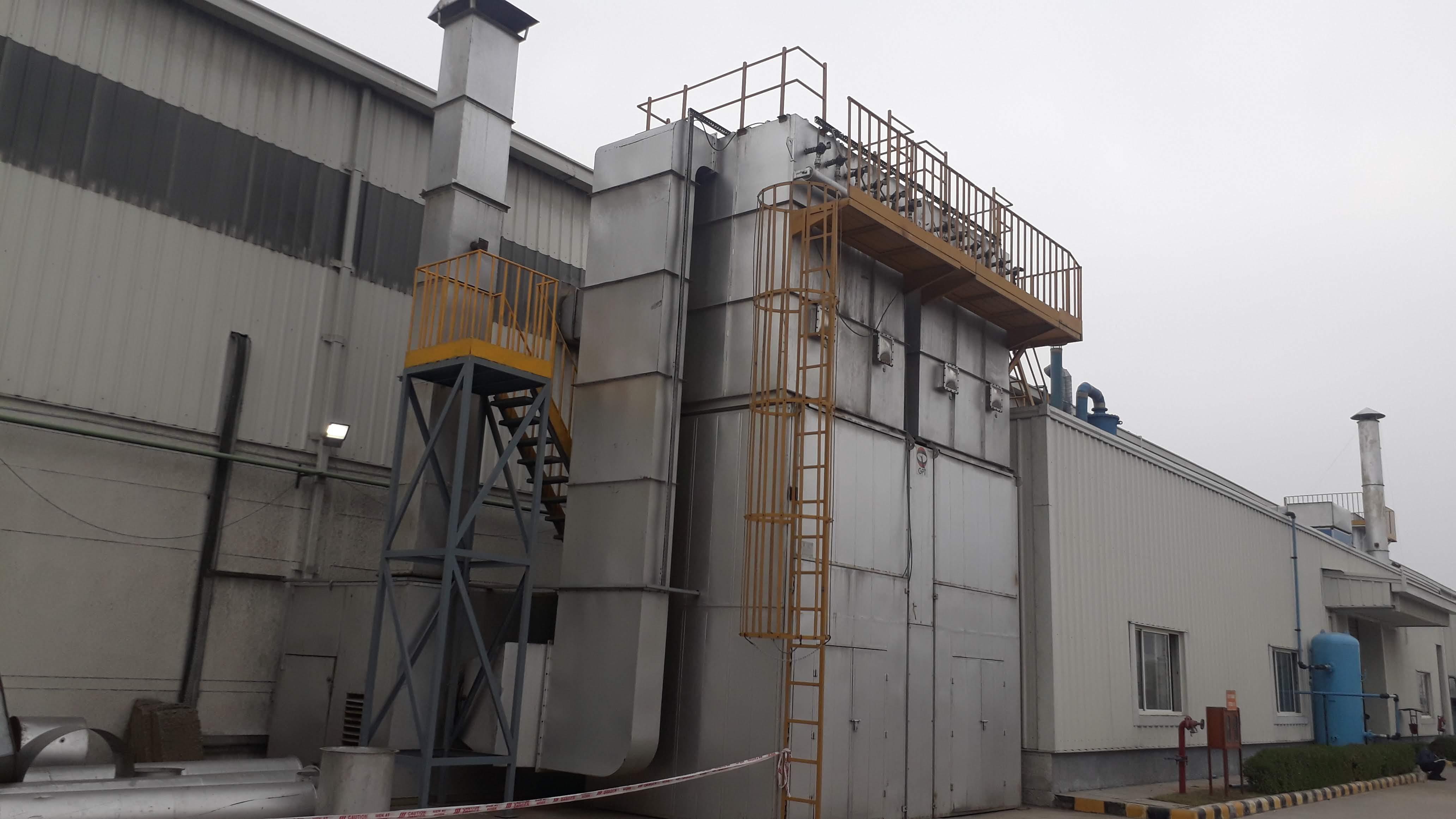
GPT-INDIA Dust Collection System: Complete Guide to Industrial Dust Control Solutions
Industrial manufacturing processes generate dust in almost every sector, from woodworking and metal fabrication to pharmaceuticals, food processing, cement production, and chemical manufacturing. Without an effective Dust Collection System, airborne dust can spread throughout production areas, affect equipment performance, contaminate products, and increase maintenance requirements. This is why modern industries invest in advanced dust control solutions designed to capture dust at its source.
A Dust Collection System is one of the most important components of an industrial Air Pollution Control System. It helps maintain cleaner production environments, improves operational efficiency, and supports long-term equipment reliability. As industries continue to modernize, dust collection technology has become essential for efficient manufacturing operations.
What Is a Dust Collection System?
A Dust Collection System is an engineered network designed to capture, transport, filter, and collect dust generated during industrial processes. Instead of allowing dust to disperse throughout the facility, the system captures contaminants directly from the source and removes them from the air stream.
A typical Dust Collection System includes collection hoods, ductwork, Dust Collectors, Centrifugal Blowers, Filter Bags, Rotary Air Locks, and dust storage hoppers. These components work together to ensure efficient dust removal and clean airflow.
The system can be customized depending on the type of dust, production process, and facility requirements.
How Does a Dust Collection System Work?
The process begins when dust is generated during manufacturing operations such as grinding, cutting, mixing, sanding, crushing, or material handling.
Collection hoods capture the dust at the source before it spreads into the workplace. Powerful Centrifugal Blowers create airflow that transports the dust through ductwork toward the filtration equipment.
Inside the Dust Collector, contaminants are separated from the air using filtration technologies such as Pulse Jet Bag Filters, Bag Filters, Cyclone Dust Collectors, or Multicyclone Dust Collectors.
The collected dust is discharged into a hopper through a Rotary Air Lock while clean air is safely released or recirculated depending on the system design.
Why Is a Dust Collection System Important?
Dust accumulation can negatively affect industrial operations in several ways. Fine airborne particles can settle on machinery, production lines, and finished products, increasing cleaning requirements and reducing operational efficiency.
An efficient Dust Collection System continuously removes airborne contaminants, helping maintain cleaner production conditions. It also reduces dust buildup on critical equipment, which can improve machine performance and reduce maintenance downtime.
For industries handling fine powders, wood dust, metal dust, or chemical particles, a properly designed system is essential for reliable operations.
Types of Dust Collection Systems
Different industries require different dust collection technologies.
A Wood Dust Collector is designed specifically for woodworking applications such as cutting, routing, and sanding.
A Cyclone Dust Collector uses centrifugal force to remove larger particles before filtration.
A Multicyclone Dust Collector consists of multiple cyclone chambers for improved separation efficiency.
Portable Dust Collectors are ideal for workshops and applications where mobility is important.
Pulse Jet Bag Filters provide high-efficiency filtration with automatic filter cleaning, making them suitable for continuous industrial operations.
Selecting the appropriate system depends on dust characteristics, airflow requirements, and production volume.
Industries That Use Dust Collection Systems
Dust Collection Systems are used across a wide range of industrial sectors.
Woodworking facilities use them to capture sawdust and fine wood particles generated during machining operations.
Metal fabrication plants rely on Dust Extractors and Dust Collectors for grinding, polishing, and cutting applications.
Food processing industries use dust collection equipment to manage powders and dry ingredients.
Pharmaceutical manufacturers require advanced filtration systems to control airborne particles during production.
Cement plants, chemical industries, plastics manufacturers, packaging facilities, and engineering workshops also depend on reliable dust collection solutions.
How to Choose the Right Dust Collection System
Selecting the best Dust Collection System requires careful evaluation of operational requirements.
The type of dust being generated is one of the most important considerations. Fine powders, abrasive dust, and fibrous materials all require different collection approaches.
Airflow requirements must be calculated accurately to ensure effective dust capture throughout the facility.
Filtration efficiency, maintenance requirements, and future production expansion should also be considered during system selection.
Partnering with experienced Dust Collection System manufacturers can help businesses choose the most suitable solution for their operations.
Why GPT-INDIA Is a Trusted Dust Collection System Manufacturer
GPT-INDIA designs and manufactures customized Dust Collection Systems for industries across India. The company provides complete dust management solutions engineered to meet specific industrial requirements.
Its product portfolio includes Dust Collectors, Wood Dust Collectors, Portable Dust Collectors, Cyclone Dust Collectors, Multicyclone Dust Collectors, Dust Extractors, Pulse Jet Bag Filters, Bag Filters, Filter Bags, Wet Scrubbers, Venturi Scrubbers, Biogas Scrubbers, Activated Carbon Filters, Water Curtain Paint Booths, Fume Extraction Systems, Fume Exhaust Systems, Air Washer Systems, Rotary Air Locks, Axial Flow Fans, Centrifugal Blowers, and complete Air Pollution Control Systems.
GPT-INDIA
59/2/1, Site 4, Industrial Area, Sahibabad, Ghaziabad – 201010, Uttar Pradesh, India
Phone: +91-9773500660
Website: gptindia.in
Frequently Asked Questions
What is a Dust Collection System used for?
A Dust Collection System captures, filters, and removes airborne dust generated during industrial manufacturing processes.
Which industries need Dust Collection Systems?
Woodworking, pharmaceuticals, food processing, cement, chemicals, plastics, and metal fabrication industries commonly use Dust Collection Systems.
What is the difference between a Dust Collector and a Dust Collection System?
A Dust Collector is a component that filters dust, while a Dust Collection System includes hoods, ducts, blowers, collectors, and dust discharge equipment.
How efficient are modern Dust Collection Systems?
High-quality systems using Pulse Jet Bag Filters and advanced filtration technologies can achieve filtration efficiencies exceeding 99%.
How do I select the right Dust Collection System?
The ideal system depends on dust type, airflow requirements, facility layout, production volume, and filtration needs.
Conclusion
A Dust Collection System is an essential investment for industries seeking cleaner production environments, improved equipment performance, and efficient dust management. By capturing contaminants at the source and removing them from the air stream, these systems help support reliable manufacturing operations across multiple industries. Whether your facility requires a Wood Dust Collector, Cyclone Dust Collector, Multicyclone Dust Collector, or a complete centralized Dust Collection System, GPT-INDIA provides customized solutions designed to meet modern industrial challenges.
Bub
Do?
Kategorien
Mehr lesen
Advanced fibre materials are rewriting the performance specifications of industries from construction to medical textiles, and polyvinyl alcohol stands out as one of the most versatile entrants in that field. The Polyvinyl Alcohol Fibers Market is expected to reach US$ 9.58 Billion by 2034 from US$ 4.25 Billion in 2025, recording a CAGR of 9.46% from 2026 to 2034. That near-doubling of market...
The Star Wars Partners collaboration has energized the Monopoly GO community this week. This limited-time event offered players a chance to team up and secure exclusive prizes. With the conclusion approaching, many are curious about the fate of any unused event tokens. Typically, special event tokens do not carry over after the finale. They are generally removed from player inventories once...

How the Drop System Works Chambers of Xeric uses a points-based system to determine rewards. Players earn points based on OSRS gold their performance and contribution during the raid, which affects the likelihood of receiving rare drops. Key factors include: Total raid points earnedIndividual contributionTeam sizeDeath count during the raid At the end of a raid, rewards are generated in a...

Among the vast plains of the Western genre, Clint Eastwood crafted a definitive masterpiece with "Unforgiven." This film dismantles the romantic myth of the gunslinger, replacing clear heroes with deeply flawed individuals. Its narrative ignites from a brutal act in a brothel, leading to a bounty placed by the wronged prostitutes. Sheriff Little Bill, enforcing a fragile peace, clashes with...
Beast Whisperer is a one-time event in Kingshot that appears when a state unlocks generation 1 pets, typically around day 55 to 60. Players with a Town Center at level 18 or higher can participate. The event runs for 7 days, with new task sets unlocking on each of the first 5 days. Once a day’s tasks become available, they can be completed at any point during the full 7-day window,...