


 Crypto.
 About
About
 Passport
 Conference call
 send money
 Termeni
 Confidențialitate
 Sierra market
Preventing Poor Fit and Safety Issues in Youth Shoulder Pads
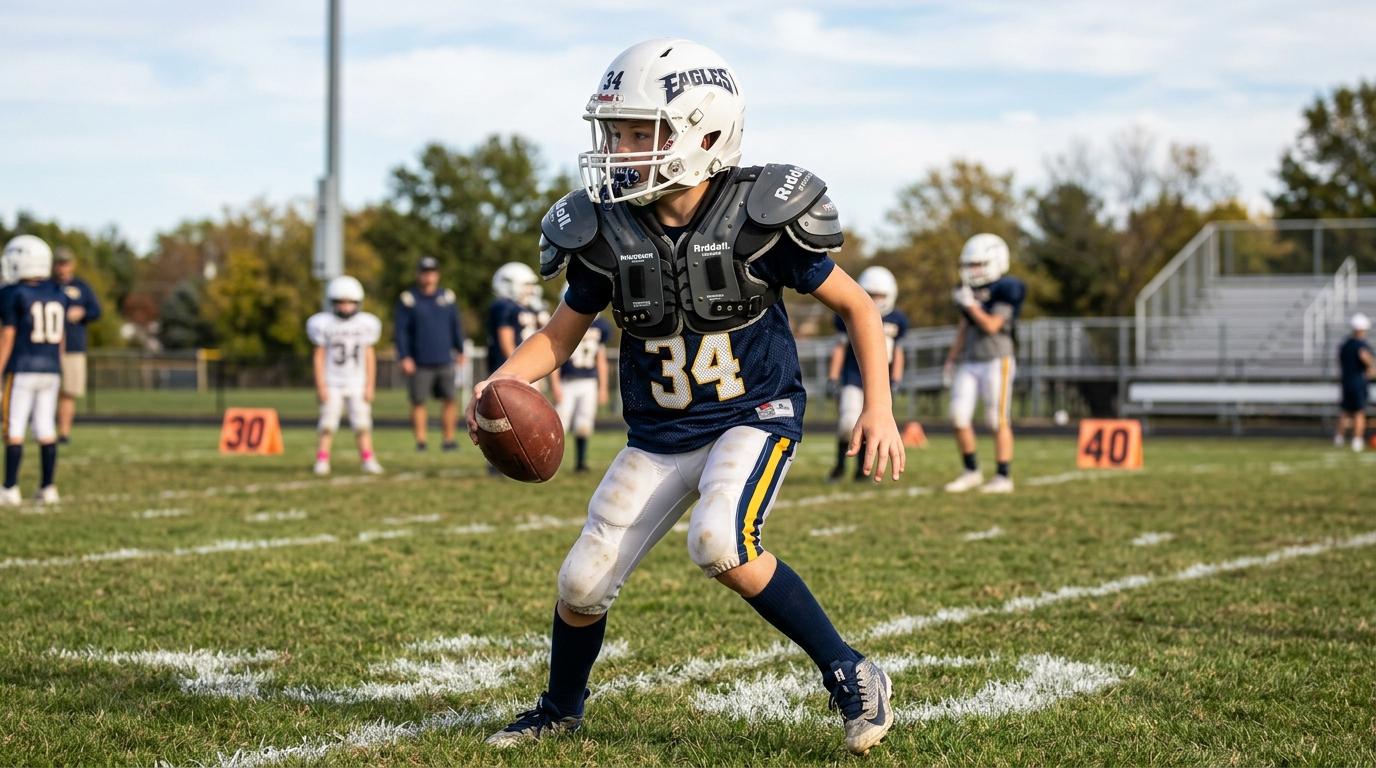
As we move through the 2026 youth football season, the emphasis on athlete safety has reached an all-time high. While much of the public conversation focuses on helmet technology, the shoulder pad remains the primary chassis for protecting an athlete’s torso, collarbones, and upper spine. For young players, the risk of injury is often not just about the intensity of the hit, but how the equipment reacts during contact. When a pad shifts or fails to cover vital areas, it leaves the athlete vulnerable to preventable trauma.
For parents and coaches, understanding the nuances of equipment safety goes beyond just buying the right size. It involves a continuous process of monitoring fit as the child grows and ensuring the gear maintains its structural integrity. Tag Sports Gear recognizes that a high-performance pad like the ALT III 944 is only effective if it is fitted and maintained correctly. This guide explores how to identify fitting red flags, the biomechanical consequences of poor gear, and the steps necessary to keep young athletes safe on the field.
The Critical Role of Sizing Precision
The foundation of safety starts with an accurate measurement. Many parents make the mistake of "sizing up" to allow a child to grow into their equipment, a practice that is dangerous in high-contact sports. If the shoulder pads are too large, they will slide during a tackle, potentially exposing the sternum or the base of the neck. Conversely, pads that are too small will sit too high, failing to protect the lower ribs and limiting the athlete's range of motion, which can lead to poor tackling form.
To get a precise fit, you must measure the athlete’s shoulder width from one acromion process (the bony point at the top of the shoulder) to the other. This measurement should be taken across the back. In 2026, manufacturers have standardized these metrics further, but it is still vital to cross-reference the child's weight and chest circumference. A proper fit should feel snug but not restrictive, allowing the player to raise their arms above their head without the neck opening hitting their chin.
Key Sizing Measurements for Youth Players:
-
Shoulder Width: Measure from the tip of the left humerus to the tip of the right humerus.
-
Chest Circumference: Wrap the tape around the widest part of the chest, just below the armpits.
-
Athlete Weight: Use current season weight, as youth padding is often rated by weight classes for impact absorption.
-
Torso Length: Ensure the pad covers the sternum and the scapula fully without interfering with the waist belt.
Identifying Common Fitting Red Flags
Even after an initial fitting, equipment can shift or loosen during the heat of competition. Parents should perform a "safety check" before every game. One of the most common red flags is a gap between the athlete’s shoulder and the pad's arch. If you can fit more than two fingers between the padding and the top of the shoulder, the pads are likely to shift upon impact. This movement can lead to "burners" or "stingers," which are nerve injuries caused by the pad depressing into the neck area.
Another sign of poor fit is the exposure of the collarbone (clavicle). The clavicle is one of the most frequently fractured bones in youth sports. The primary arch of the shoulder pad must fully encapsulate the collarbone. If the pads sit too far back or forward, the hard plastic edge of the shell may actually press against the bone during a hit, increasing the risk of a fracture rather than preventing it.
Visual Checklist for Parents and Coaches:
| Checkpoint | What to Look For | Potential Risk |
| :--- | :--- | :--- |
| Neck Opening | Should not be wide enough to expose the collarbone. | Clavicle fractures; neck strain. |
| Epaulets | Must cover the deltoid muscle completely. | Shoulder dislocations; deep bruising. |
| Straps/Laces | Should be tight enough that the pad doesn't rotate. | Rotational injuries; exposed ribs. |
| Back Plate | Should cover the shoulder blades (scapula). | Spinal impacts; scapular fractures. |
Impact of Improper Fit on Injury Prevention
The biomechanics of a football hit require the equipment to disperse energy across a wide surface area. When youth shoulder pads fit poorly, this energy dispersion is compromised. For example, if the pads are too loose, the "point of impact" becomes concentrated on a single spot rather than being absorbed by the foam and plastic shell. This concentration of force is what leads to more severe injuries like AC joint sprains or bruised ribs.
Furthermore, there is a direct link between equipment fit and head safety. In 2026, sports medicine research continues to show that stable shoulder pads help stabilize the base of the helmet. If the shoulder pads are oversized, they can "up-ride" and strike the back of the helmet during a fall, causing the head to snap forward. Ensuring the pads stay anchored to the torso helps maintain the proper "cockpit" for the athlete’s head and neck, reducing the risk of whiplash-style injuries.
Managing Mid-Season Growth and Equipment Shifts
Youth athletes can grow significantly over the course of a four-month season. Equipment that fit perfectly in August may be dangerously tight or misaligned by the November playoffs. It is essential to re-evaluate the fit of youth shoulder pads every four to six weeks. This is particularly important for players in "skill positions" who require more arm mobility, as they may be tempted to loosen their straps to move more freely, inadvertently compromising their safety.
Beyond physical growth, the hardware of the pads can shift over time. Elastic straps lose their tension, and T-hooks can become bent or loose. If the straps are no longer holding the pads firmly against the ribs, the protective "wrap" of the equipment is lost. Regularly tightening the laces and checking the elasticity of the side straps ensures that the pads remain a cohesive unit with the player's body.
Mid-Season Maintenance Routine:
-
Elastic Check: Stretch the side straps to ensure they still snap back firmly.
-
Hardware Inspection: Check all rivets and T-hooks for rust or loosening.
-
Padding Compression: Press on the interior foam; if it feels flat or doesn't bounce back, it may have lost its impact-absorbing properties.
-
Sizing Update: Re-measure the athlete’s shoulder width if they have had a visible growth spurt.
Maintenance and Structural Integrity
The safety of a shoulder pad is only as good as the materials inside it. High-density EVA foam and specialized air-management systems are designed to withstand hundreds of impacts, but they are not indestructible. Moisture from sweat and rain can degrade some types of padding over time if not properly dried. In 2026, many pads feature antimicrobial liners to prevent the buildup of bacteria, but these still require regular cleaning to maintain the health of the athlete’s skin and the integrity of the fabric.
Cracks in the outer plastic shell are an immediate "deal-breaker" for safety. Even a hairline fracture in the polycarbonate shell can cause the entire piece to shatter under a high-velocity impact. Parents should run their hands over the plastic components weekly to feel for any jagged edges or stress marks. If the shell shows signs of whitening or "stress crazing," the structural integrity is compromised, and the pads must be replaced immediately to ensure the athlete remains protected.
Advanced Padding Technology for Maximum Safety
Modern equipment like the ALT III 944 utilizes air-management technology to provide a higher level of protection without the bulk of traditional pads. This technology works by trapping air within the foam cushions; upon impact, the air is slowly released, which significantly dampens the force felt by the athlete. This allows for a lower-profile design that improves the athlete's center of gravity and visibility, both of which are crucial for safe tackling and avoiding "blindside" hits.
Choosing pads with treated liners also addresses secondary safety concerns, such as MRSA or other skin infections common in locker rooms. By prioritizing pads that offer both impact protection and hygienic features, parents provide their children with a comprehensive safety net. As youth football continues to evolve, staying informed about these technological shifts and fitting requirements remains the most effective way to keep the game fun and safe for the next generation of players.
Benefits of Modern Air-Management Pads:
-
Lightweight Profile: Reduces fatigue, allowing the athlete to maintain proper, safe form longer into the game.
-
Energy Dispersion: Spreads the force of a hit more evenly than old-fashioned open-cell foam.
-
Improved Visibility: Lower profile arches allow the player to see more of the field and anticipate hits.
-
Cooling Systems: Better airflow reduces the risk of heat-related illnesses during early-season practices.
Bub
Do?

Categorii
Citeste mai mult
An extensive report by Emergen Research, spanning 250 pages, incorporates 194 tables along with 189 charts and graphical illustrations. This newly developed study serves as a valuable resource for individuals seeking a comprehensive and in-depth commercial understanding of the global Button Mushroom Cultivation market, along with detailed insights into its various segments. Leveraging this...

Community Polls and Insights Over the past several years, we have consistently celebrated our "daily grind" theme through weekly leaderboard polls. These polls have become a favorite part of our content, offering a fun way to gather both qualitative insights and quantitative data through tallies, bar graphs, and votes. Unlike our typical articles, these polls provide a unique "numbers-driven"...
Every four weeks, Kingshot hosts a special two-day event known as the Mystic Divination. During this event, participants select a “wish reward” they desire. Once chosen, Petra conceals the reward beneath one of ten cards and shuffles them thoroughly. The challenge is to locate the card hiding your chosen prize. To reveal cards, you must spend fortune tokens, with the cost...
Bosskämpfe und Strategien Die Endgegner der Nod-Reihe verteilen sich über mehrere Zonen, die vom blassen Licht des Alten Mondes durchzogen sind.\nViele Kreaturen wurden durch silberne Strahlen verändert und tragen nun ungewöhnliche Mutationen; andere sind das Werk geschickter Handwerker aus Naschgorod.\nNeue Kampftaktiken und spezielle Voraussetzungen machen diese...
Mark your calendars for October 5th. Tamara Jenkins' latest film, "Private Life," arrives in select theaters and on Netflix. This Sundance premiere delivers a poignant and humorous look at one couple's journey. Paul Giamatti and Kathryn Hahn star as Richard and Rachel. They navigate the exhausting world of infertility treatments and adoption. Their lives take an unexpected turn with the...
