Crypto.
 About
About
 Passport
 Conference call
 send money
 Termeni
 Confidențialitate
 Sierra market
Life Insurance Agent Mentorship: Building Professionals for Long Term Success
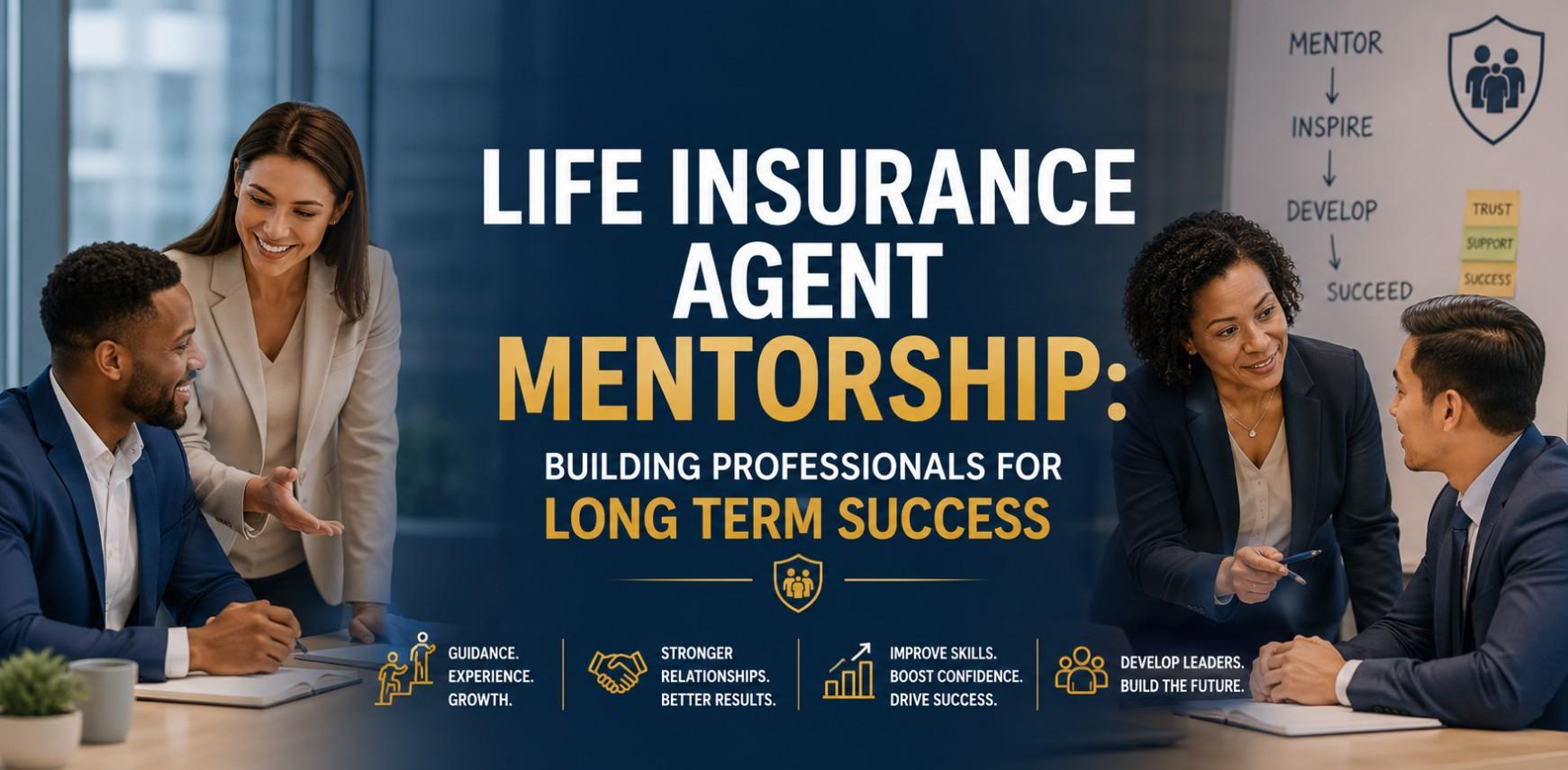
The life insurance industry is built on trust, relationships, and expertise. While training programs provide agents with product knowledge and compliance guidance, true professional growth often comes from mentorship. Life insurance agent mentorship plays a critical role in helping new and developing agents navigate industry challenges, improve sales performance, and build sustainable careers.
In a competitive market, insurance organizations that invest in mentorship programs gain a significant advantage. They create a culture of learning, strengthen agent retention, and accelerate the development of future leaders. For both agencies and individual agents, mentorship is no longer a nice addition. It has become an essential component of long term success.
Understanding Life Insurance Agent Mentorship
Life insurance agent mentorship is a structured relationship where experienced professionals guide less experienced agents through the complexities of the industry. Mentors share practical insights, proven sales techniques, customer relationship strategies, and professional development advice.
Unlike traditional classroom training, mentorship focuses on real world situations. New agents gain access to knowledge that can only be acquired through years of field experience. This personalized guidance helps them avoid common mistakes and build confidence more quickly.
Mentorship can take many forms, including one on one coaching, group mentoring sessions, leadership development programs, and peer support networks. Regardless of the format, the primary goal remains the same: helping agents reach their full potential.
Key Benefits of Life Insurance Agent Mentorship
Faster Skill Development
New life insurance agents often face a steep learning curve. Understanding policy options, identifying client needs, handling objections, and closing sales require a combination of technical knowledge and interpersonal skills.
A mentor provides direct feedback and practical advice that speeds up the learning process. Instead of relying solely on trial and error, mentees can learn from the experiences of seasoned professionals.
Improved Agent Retention
One of the biggest challenges facing insurance agencies is agent turnover. Many new agents leave the industry within their first few years due to frustration, lack of support, or unrealistic expectations.
Mentorship creates a support system that helps agents overcome obstacles and stay motivated. When agents feel connected to experienced professionals who genuinely care about their success, they are more likely to remain committed to their careers.
Enhanced Sales Performance
Successful mentors share proven sales strategies that help agents build stronger client relationships and improve conversion rates. Through regular coaching and accountability, mentees gain confidence in prospecting, presenting solutions, and closing business.
As a result, agencies often see measurable improvements in productivity and overall revenue generation.
Stronger Professional Confidence
Confidence is a critical factor in life insurance sales. Clients want to work with professionals who can clearly explain products and provide trustworthy recommendations.
Mentors help agents strengthen their communication skills, improve product knowledge, and develop a professional mindset. This increased confidence positively impacts client interactions and business outcomes.
What Makes an Effective Life Insurance Mentor?
Not every successful agent automatically becomes a great mentor. Effective mentors possess a unique combination of industry expertise, communication skills, and a genuine desire to help others succeed.
Strong mentors typically demonstrate the following qualities:
-
Extensive industry knowledge and practical experience
-
Excellent listening and communication skills
-
Patience and empathy
-
A commitment to continuous learning
-
The ability to provide constructive feedback
-
A willingness to share both successes and challenges
The best mentors understand that mentorship is not about creating followers. It is about developing independent, capable professionals who can thrive on their own.
Creating a Successful Mentorship Program
For insurance agencies and brokerages, implementing a structured mentorship program can deliver substantial business benefits. However, success requires careful planning and execution.
Establish Clear Objectives
Organizations should define specific goals for their mentorship initiatives. These objectives may include improving agent retention, increasing sales performance, accelerating onboarding, or developing future leaders.
Clear goals help ensure that mentors and mentees remain focused throughout the program.
Match Mentors and Mentees Strategically
Successful mentorship relationships depend on compatibility. Agencies should consider factors such as communication styles, professional goals, experience levels, and areas of expertise when pairing participants.
Thoughtful matching increases engagement and improves outcomes for both parties.
Encourage Regular Communication
Consistency is essential for mentorship success. Scheduled meetings, progress reviews, and ongoing discussions help maintain momentum and ensure meaningful development.
Regular communication also allows mentors to address challenges before they become significant obstacles.
Measure Results
Tracking mentorship outcomes helps organizations evaluate program effectiveness and identify opportunities for improvement. Metrics such as retention rates, sales growth, productivity levels, and participant satisfaction can provide valuable insights.
The Future of Mentorship in Life Insurance
As the insurance industry continues to evolve, mentorship will become even more important. New technologies, changing customer expectations, and increasingly complex financial products require agents to continuously expand their skills and knowledge.
Organizations that prioritize mentorship create adaptable workforces capable of meeting future challenges. They also foster a culture of collaboration and professional excellence that attracts top talent.
In an industry where relationships drive success, mentorship remains one of the most powerful tools for developing confident, knowledgeable, and high performing life insurance professionals.
Conclusion
Life insurance agent mentorship is a strategic investment that benefits agents, agencies, and clients alike. By connecting experienced professionals with emerging talent, organizations can accelerate development, improve retention, and strengthen overall performance.
As competition grows and industry demands continue to evolve, mentorship provides the guidance and support agents need to succeed. Companies that embrace mentorship today will be better positioned to build stronger teams, develop future leaders, and achieve sustainable growth in the years ahead.
Frequently Asked Questions
What is life insurance agent mentorship?
Life insurance agent mentorship is a professional relationship in which experienced insurance agents guide and support newer agents to help them develop skills, improve performance, and build successful careers.
Why is mentorship important for new insurance agents?
Mentorship provides practical guidance, industry insights, and emotional support that help new agents overcome challenges, gain confidence, and achieve success more quickly.
How does mentorship improve agent retention?
Mentorship creates a supportive environment where agents receive coaching and encouragement. This reduces frustration, increases engagement, and helps agents stay committed to their careers.
What should agencies look for in a mentor?
Agencies should select mentors who have strong industry experience, excellent communication skills, patience, leadership qualities, and a genuine commitment to helping others grow professionally.
Bub
Do?

Categorii
Citeste mai mult
Edge's Internet Explorer Mode Faces Restrictions Due to Security Concerns Microsoft has implemented significant changes to Internet Explorer (IE) mode in Edge browser due to security vulnerabilities being exploited by malicious actors. The company recently received intelligence that threat actors were using IE mode to compromise users' devices through sophisticated attack methods. Despite most...

Freiheits-Blues für Anomalie-Kontrolle Das Zenless Zone Null Freedom Blues-Set ist speziell dafür konzipiert, die Fähigkeiten im Umgang mit Anomalien zu verbessern. Beim Sammeln von zwei Teilen erhöht sich die Anomalie-Kompetenz um 30 Punkte. Wenn alle vier Teile getragen werden, tritt ein besonderer Effekt in Kraft: Die Anomalie-Aufbau-Resistenz eines Ziels wird für 20...
Moving to another city often involves arranging household relocation, finding a new home, managing travel, and transporting a personal vehicle. Driving a car over a long distance may require several hours or days and can increase fuel costs, toll expenses, mileage, and vehicle wear. Professional car transportation services provide a convenient option for moving a car without...

An iTunes gift card serves as a prepaid digital currency, primarily used for purchasing a wide range of content on the iTunes Store. This includes music, movies, apps, software, and various Apple services, all accessible through your Apple account. Sometimes, you may find yourself holding an iTunes gift card but prefer to convert it into cash. This situation may arise if you receive the card...
Astra Malorum has a way of making you feel rich one minute and totally skint the next. If you're aiming for long games, the Matryoshka Doll is the thing that fixes that, because it cuts salvage prices down the middle for good. It's not a quick grab, though, and you'll need a match plan before you even think about it. If you're trying to speed up your setup before the grind, some players also...