


 Crypto.
 Sobre
Sobre
 Passport
 Conference call
 send money
 Termos
 Privacidade
 Sierra market
Short Notice Driving Test Manchester: Is an Earlier Test the Right Choice for You?
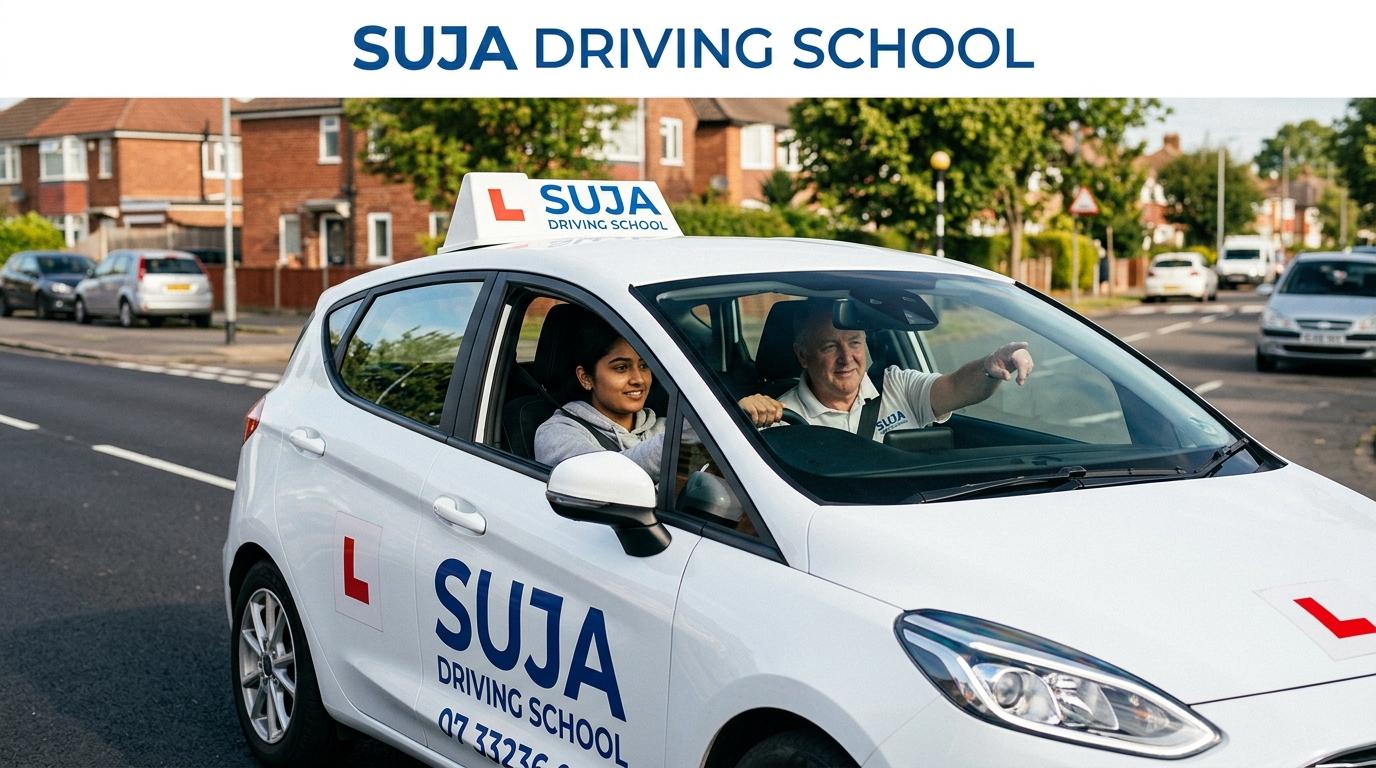
Passing your driving test is a significant milestone, but for many learner drivers, the biggest challenge comes before they even reach the test centre. Long waiting times for practical driving tests have become common, making it difficult for learners to obtain a licence when they need it most. This is why many people search for a short notice driving test Manchester appointment, hoping to secure an earlier date through cancellations.
An earlier test can help you get your licence sooner, but it isn't the best option for everyone. If you're not fully prepared, taking the test too early could result in unnecessary stress and the cost of another booking. On the other hand, if you've completed your training and feel confident behind the wheel, a cancellation slot may be exactly what you need.
This guide explains who should consider a short-notice driving test, how to know if you're ready, and what steps you can take to improve your chances of success.
Why Are Driving Test Waiting Times So Long?
The demand for driving tests has increased considerably over the past few years. Thousands of learner drivers compete for available appointments, meaning many test centres have waiting lists extending several months.
For learners who need a driving licence for work, education, or family commitments, these delays can become frustrating. As a result, cancelled appointments are highly sought after because they allow someone else to take an earlier slot.
While finding an earlier appointment saves time, it also means you must be prepared to take your test sooner than expected.
Who Should Consider a Short-Notice Test?
Not every learner is ready to take advantage of a cancellation appointment.
A short-notice practical test is usually suitable if you:
- Have completed most of your driving lessons.
- Can drive safely without constant instructor guidance.
- Feel confident in different traffic conditions.
- Can perform all required manoeuvres consistently.
- Have recently passed your theory test.
- Receive positive feedback from your instructor.
If you're still struggling with basic vehicle control or road awareness, it may be better to continue learning before booking an earlier test.
Signs You're Ready for an Earlier Practical Test
Many learners underestimate—or overestimate—their ability.
Instead of relying on confidence alone, look for measurable signs of progress.
You may be ready if you can:
Drive Independently
The examiner expects safe decision-making without assistance.
If you can follow road signs, navigate unfamiliar roads, and respond appropriately to traffic situations, you're moving in the right direction.
Complete Lessons With Few Corrections
If your instructor rarely needs to intervene during lessons, your driving is becoming consistent.
Minor mistakes are normal, but repeated corrections usually indicate more practice is needed.
Stay Calm in Busy Traffic
Manchester roads can be busy, especially during peak hours.
Confident drivers remain patient, maintain safe distances, and make sensible decisions without rushing.
The Benefits of Taking Your Test Earlier
Passing sooner offers several advantages beyond simply obtaining your licence.
Save Money
Waiting several extra months often means paying for additional refresher lessons.
Passing earlier can reduce these ongoing learning costs.
Increase Confidence
Driving skills improve when knowledge is fresh.
Long gaps between lessons and the practical test can reduce confidence, requiring extra preparation before the assessment.
More Freedom
A full driving licence provides greater independence for commuting, employment, education, and everyday travel.
For many people, obtaining their licence sooner opens up new personal and professional opportunities.
How to Use Your Remaining Preparation Time
If you've secured an earlier appointment, make every lesson count.
Rather than practising everything equally, concentrate on the areas that commonly affect test results.
Improve Observation Skills
Safe observation remains one of the most important assessment criteria.
Remember to check mirrors before:
- Changing speed
- Turning
- Moving away
- Changing lanes
- Pulling over
Consistent observation demonstrates safe driving habits.
Practise Manoeuvres
Your examiner may ask you to perform one manoeuvre during the test.
Continue practising:
- Parallel parking
- Forward bay parking
- Reverse bay parking
- Pulling up on the right
Aim for smooth, controlled movements instead of rushing.
Strengthen Hazard Awareness
Good drivers don't simply react to hazards—they anticipate them.
Practise identifying:
- Pedestrians approaching crossings
- Cyclists
- Parked vehicles
- Sharp bends
- Emerging traffic
Early observation allows smoother, safer driving decisions.
Don't Let Nerves Affect Your Performance
Feeling nervous before a driving test is completely normal.
The key is preventing anxiety from affecting your concentration.
Some practical ways to remain calm include:
- Getting enough sleep.
- Eating before your appointment.
- Arriving early.
- Taking slow, steady breaths while waiting.
- Listening carefully to each instruction.
Remember, examiners understand that learners feel nervous. They assess your ability to drive safely—not whether you're completely relaxed.
Mistakes That Often Lead to Failed Tests
Many learners fail because of small, repeated errors rather than major incidents.
Common faults include:
- Missing mirror checks
- Poor positioning at junctions
- Driving too quickly for road conditions
- Hesitating unnecessarily
- Inaccurate signalling
- Incomplete observations at roundabouts
Discuss these areas with your instructor so they can become a priority during your remaining lessons.
Choosing the Right Driving Instructor Matters
The quality of your preparation often depends on the instructor guiding you.
Experienced instructors can identify weaknesses quickly, provide constructive feedback, and help you practise the situations most likely to appear during the practical test.
What Should You Bring on Test Day?
Preparing your documents in advance helps avoid unnecessary stress.
Remember to bring:
- Your provisional driving licence.
- Glasses or contact lenses if required for driving.
- Your driving instructor, if they are accompanying you.
- Confidence in the preparation you've already completed.
Double-check your appointment details before leaving home.
You may explore about insurance.
Final Thoughts
A short notice driving test Manchester appointment can be an excellent opportunity for learners who are genuinely ready to demonstrate safe driving skills. Instead of viewing an earlier test as added pressure, think of it as a chance to achieve your goal sooner.
The key is honest preparation. Focus on correcting your weaknesses, practise consistently, and seek guidance from an experienced instructor who understands Manchester's roads and testing standards. With the right preparation and mindset, an earlier driving test could be the final step toward earning your full driving licence.
Bub
Do?

Categorias
Leia Mais
Transporting a motorcycle or scooter by train is a common option for people moving to another city. Whether you are relocating for a new job, college admission, business requirements, or personal reasons, understanding the expected transportation cost can help you plan your move. An IRCTC bike parcel charges calculator is useful for estimating the possible cost of sending a...
Maximizing Mobility in Combat Mobility transforms your arsenal in Modern Warfare and Warzone, turning sluggish guns into responsive tools of war. It's not just about sprinting faster—it sharpens your aim-down-sights speed, sprint-to-fire transitions, and reload agility. These handling traits let you capitalize on split-second opportunities, whether you're evading a sniper's sight or...

Una forma de vivir el deporte Las camisetas de fútbol forman parte de la identidad de millones de aficionados. No son únicamente prendas deportivas, sino piezas que representan colores, recuerdos, jugadores, temporadas y momentos especiales. En España, donde el fútbol ocupa un lugar importante dentro de la cultura deportiva, elegir una camiseta puede convertirse en...

Government and public health initiatives are playing an increasingly proactive role in bolstering the South America sleep medicine infrastructure by focusing on public awareness and early detection. In countries like Brazil and Argentina, where sleep disorder prevalence is high, public health campaigns emphasize the connections between poor sleep, lifestyle diseases, and long-term health risks....

Harry Potter Stage Production Announces Major Changes for Three Cities The beloved theatrical adaptation is preparing for its North American comeback with a significant transformation. What was previously presented as a two-part experience will now be consolidated into a single evening's entertainment when performances resume in multiple locations. Three major cities will welcome the magical...
