Can Lipomas Return After Treatment? Understanding Recurrence Risks
Lipomas are benign fatty growths that commonly develop beneath the skin and are usually harmless, but many patients wonder whether these lumps can come back after removal. Choosing a reliable treatment approach, such as Lipoma Removal Riyadh, can significantly reduce recurrence risks when performed by an experienced specialist. While complete removal often provides long-lasting results, understanding why lipomas may return, the factors that influence recurrence, and how proper follow-up care helps maintain outcomes is important for anyone considering treatment.
What Are Lipomas and Why Do They Develop:
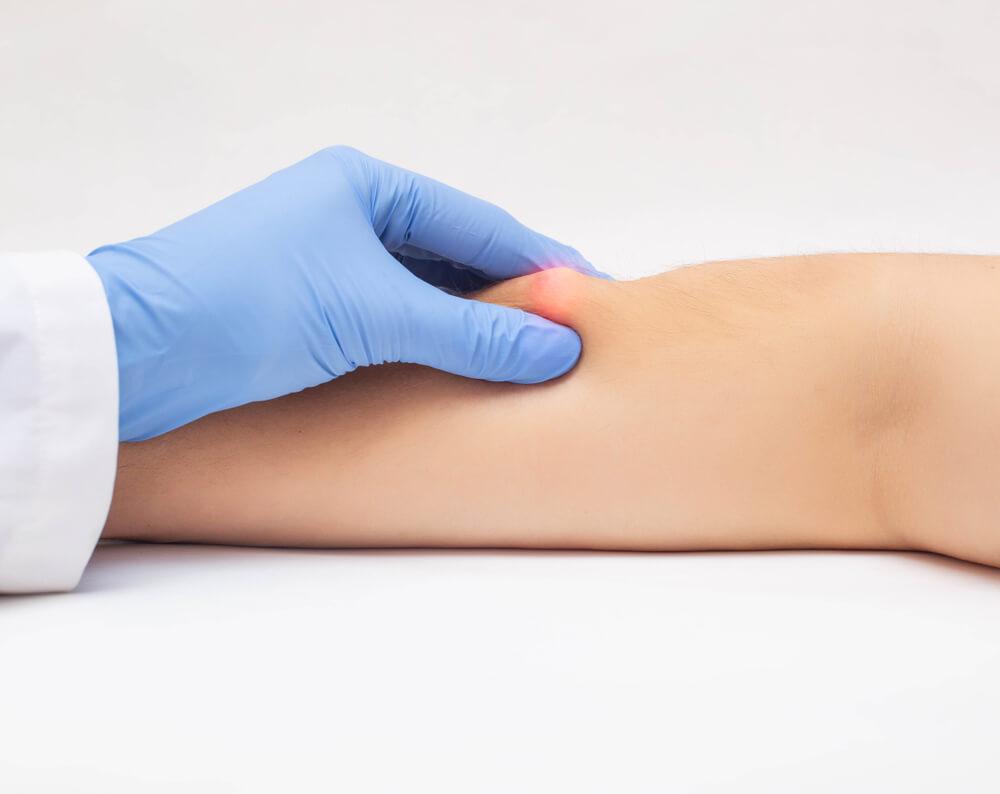
A lipoma is a soft, slow-growing lump made of mature fat cells that forms between the skin and underlying tissues. These growths can appear on different parts of the body, including the shoulders, arms, back, thighs, and neck. Lipomas are generally non-cancerous and do not usually require treatment unless they cause discomfort, grow larger, affect movement, or create cosmetic concerns. The exact cause of lipoma development is not always clear, but several factors may contribute to their formation, including genetics and individual body characteristics. Common features of lipomas include:
- Soft, movable lumps under the skin
- Slow growth over months or years
- Usually painless appearance
- Round or oval shape
- Smooth texture when touched
Understanding how lipomas form helps patients recognize why recurrence can sometimes occur even after successful treatment.
Can Lipomas Return After Removal:
In most cases, a lipoma that has been completely removed does not return in the same location. However, recurrence can happen in certain situations, especially if some fatty tissue or the protective capsule surrounding the lipoma remains after treatment. In addition, some individuals may develop new lipomas in different areas due to genetic tendencies or other factors. Recurrence does not always mean the original procedure failed, as new growths can form independently from the initial lump. Factors that may influence recurrence include:
- Incomplete removal of the lipoma capsule
- Presence of multiple lipomas
- Genetic predisposition
- Certain rare medical conditions
- Growths located in deeper tissues
Regular medical evaluation can help determine whether a new lump is a recurring lipoma or a separate growth.
How Complete Removal Reduces Recurrence Risks:
The most effective way to minimize the chance of a lipoma returning is complete removal of the growth and its surrounding capsule. During surgical removal, specialists carefully separate the lipoma from nearby tissues to ensure the entire mass is extracted. This approach reduces the possibility of remaining fat cells causing regrowth. Proper technique and professional expertise play a major role in achieving successful outcomes. Benefits of complete removal include:
- Lower chance of recurrence
- Removal of the entire fatty mass
- Opportunity for laboratory examination when needed
- Better long-term cosmetic results
Patients should discuss the removal technique with their doctor to understand how it affects future recurrence risks.
Factors That Increase the Possibility of Lipoma Recurrence:
Although recurrence is uncommon after proper treatment, certain factors may increase the likelihood of lipomas appearing again. Some patients naturally have a higher tendency to develop these growths due to inherited characteristics or underlying conditions. Additionally, the location and structure of the lipoma can influence treatment outcomes. Factors associated with increased recurrence risk include:
- Multiple existing lipomas on different body areas
- Deep or difficult-to-access lipomas
- Certain inherited conditions affecting fatty tissue growth
- Incomplete removal during the initial procedure
- Lack of follow-up evaluation when changes occur
Identifying these risk factors allows doctors to provide more personalized treatment recommendations.
Difference Between Recurrence and New Lipoma Formation:
Many patients assume that any new lump after treatment means the original lipoma has returned, but this is not always the case. A previously removed lipoma may remain gone while a completely new lipoma develops in another area. This distinction is important because treatment decisions depend on whether the growth is a recurrence or a separate condition. A medical evaluation can help determine the cause of a new lump through physical examination and, when necessary, imaging or tissue analysis. Patients should seek assessment if they notice:
- A new lump forming near the previous treatment area
- Rapid changes in size or shape
- Pain or unusual sensitivity
- Changes in skin appearance
- Multiple new growths appearing over time
Early evaluation provides clarity and helps determine the appropriate next steps.
The Role of Follow-Up Care After Lipoma Treatment:
Follow-up care is an important part of maintaining successful results after lipoma removal. Although most patients do not experience recurrence, monitoring the treated area allows doctors to identify any concerns early. Follow-up appointments also provide an opportunity to discuss healing progress and address patient questions. Recommended care may include:
- Attending scheduled medical checkups
- Monitoring the treated area for changes
- Reporting new or unusual symptoms
- Maintaining communication with the treating specialist
Consistent follow-up supports long-term health and helps patients feel confident about their treatment results.
Advanced Treatment Options and Their Impact on Recurrence:
Modern treatment methods have improved the ability to remove lipomas safely while reducing the chances of recurrence. Surgical excision remains the most reliable option for complete removal, while selected minimally invasive techniques may be suitable for specific cases. The choice of treatment depends on factors such as size, location, and the structure of the lipoma. Advanced approaches focus on:
- Accurate diagnosis before treatment
- Careful removal of the entire growth
- Preserving surrounding tissues
- Improving cosmetic outcomes
- Supporting faster recovery
A personalized treatment plan created by a qualified specialist can provide better results and lower recurrence concerns.
When Should You Consult a Specialist About a Returning Lipoma:
Patients should seek professional advice if they notice changes after treatment or suspect that a lipoma has returned. While recurrence is often manageable, any new or changing lump should be properly assessed to ensure an accurate diagnosis. A specialist can determine whether additional treatment is necessary. Signs that require medical consultation include:
- A lump growing quickly
- Increasing pain or discomfort
- Changes in texture or firmness
- A growth returning at the previous removal site
- Concerns about appearance or daily activities
Timely evaluation helps prevent unnecessary worry and ensures appropriate care.
Maintaining Realistic Expectations After Lipoma Removal:
Lipoma removal procedures are generally successful, but patients should understand that treatment cannot always prevent new lipomas from developing elsewhere. The goal of removal is to eliminate the existing growth, improve comfort, and address cosmetic concerns. Maintaining realistic expectations helps patients appreciate the benefits of treatment while understanding the possibility of future changes. Important points to remember include:
- Complete removal usually prevents the same lipoma from returning
- New lipomas may develop independently
- Regular monitoring helps detect changes early
- Professional guidance supports long-term results
An informed approach allows patients to make confident decisions about their health and treatment options.
Final Thoughts:
Lipomas rarely return after complete removal, but recurrence risks depend on factors such as removal technique, genetics, and individual health characteristics. Choosing an experienced specialist and following proper aftercare recommendations can significantly improve long-term outcomes. For individuals considering Lipoma Removal Riyadh, understanding recurrence possibilities and treatment options helps create realistic expectations and supports safer, more effective results. With proper diagnosis, advanced techniques, and ongoing care, most patients can enjoy lasting improvement after lipoma treatment.
Bub
Do?
Категории
Больше
Controlled environments are essential in industries where precision, safety, and contamination control are critical. Advanced Clean Room Partition systems provide structural strength, seamless integration, and airflow management, creating stable conditions that meet regulatory and operational standards. Facilities adopting these solutions benefit from uninterrupted workflows and consistent...
The moment a series truly captures its audience often unfolds quietly, hidden not in the opening chapter but somewhere deeper in the story. Research into viewing habits reveals that the pilot episode rarely seals the deal. Instead, commitment blooms when viewers are granted the freedom to binge, unbound by schedules or commercials. A pivotal episode emerges where the majority who watch it feel...
At the midpoint of the Path of Exile 3.28 Currency campaign, players encounter the Lord’s Labyrinth, a deadly trap-filled dungeon that culminates in a battle with Izaro, the labyrinth’s emperor. Success rewards the player with two Ascendancy points, unlocking a choice that will define their character’s identity for the remainder of the game. Each of Path of Exile’s seven...
Team of The Year Is Coming! The Hype Around Team of The Year Get ready, as Team of The Year is just around the corner! This highly anticipated event stands out as the most exciting promotion yet, bringing together the top 12 players from the past year and offering them extraordinary upgraded cards. Players can look forward to chasing these exclusive items, along with special Icons, Evolution...
Facing an urgent need for cash can be overwhelming, especially when time is limited. Imagine a scenario where your electricity suddenly cuts out, your laptop’s battery is nearly dead, and your bank account shows no funds, all just an hour before an important appointment. In such moments, leveraging your smartphone and the internet can be a lifesaver. For instance, identifying unused gift...