Crypto.
 Sobre
Sobre
 Passport
 Conference call
 send money
 Termos
 Privacidade
 Sierra market
Relay Protection Systems: An Integrated Architecture

A modern relay protection system is far more than a collection of individual relays. It is an integrated architecture of hardware, software, and communication networks designed to work together seamlessly to protect the grid. This system-level view is essential for understanding the market and the strategies of major vendors. Industry observations from Market Research Future confirm that this integration is a key driver of value in the market.
The System Architecture
A modern relay protection system includes several key layers:
-
Protection Relays (IEDs): The intelligent electronic devices that perform the core protection logic. They are increasingly digital/numerical, supporting multiple functions and communication protocols.
-
Communication Networks: The infrastructure (like station buses and process buses) that allows relays to communicate with each other and with control centers, enabling advanced protection schemes like line differential and transfer trip.
-
Control and Monitoring Systems: The human-machine interface (HMI) and supervisory systems that allow operators to monitor relay status, view event reports, and manage settings.
-
Software Platforms: The engineering tools for relay configuration, testing, and fleet management, which are becoming a key differentiator for vendors.
This integrated architecture supports the trend towards substation automation and digital substations. Enel's Global Digital Grid program, for example, committed EUR 2.3 billion to digitalizing 600 substations across its footprint, creating large-scale demand for integrated protection and automation solutions.
Market Dynamics and Vendor Strategies
The market for relay protection systems is moderately concentrated, with the top five vendors holding an estimated 55–62% of global revenue . The high barriers to entry created by utility qualification processes and installed-base relationships give an advantage to incumbents. Siemens, Hitachi Energy, GE Vernova, and Schweitzer Engineering Laboratories (SEL) are the dominant players, each with a strong portfolio of integrated solutions and a deep understanding of system architecture.
The strategic focus is on platform consolidation and software-defined protection. Vendors are shifting value capture toward software platforms that manage relay fleets, automate settings deployment, and aggregate operational data, creating a recurring revenue stream.
Challenges in System Integration
The primary challenge is interoperability . Despite standardization efforts, real-world deployments frequently encounter interoperability failures when mixing relay products from different manufacturers. Engineering rework to resolve protocol mismatches can add significant cost and delay to projects. Cybersecurity is an increasing concern, as the connection of protection systems to networks creates potential vulnerabilities.
Future Outlook
The future of relay protection systems will see deeper integration of cybersecurity features and the emergence of digital substation-as-a-service models . Vendors will bundle relay hardware with remote diagnostics and protection performance dashboards for recurring revenue. The Protective Relay Market will be defined by the vendors who can deliver the most integrated, reliable, and secure protection systems.
Strengthen your strategy with data-backed research insights:
Brazil Gas Turbine Market Analysis
UK Energy Storage Market Analysis
Bub
Do?

Categorias
Leia Mais
Ignite the progress of society through innovation! In Kingshot, the Develop New Tech event occurs several times in the initial phases of a state’s growth. During this event, players gather points by applying speedups to research projects within the academy. As points build up, participants reach various milestones and unlock rewards across four distinct levels. Begin saving research...

In a medium overflowing with world-ending threats and cosmic-level tantrums, the one thing a video game protagonist absolutely cannot afford is a quitter's mentality. Whether they're a battle-hardened angel, a kleptomaniac with a conscience, or literally the son of the underworld's crankiest CEO, the characters that stick with us long after the credits roll share a single, glorious trait: an...
Article Summary OSRS gold You play OSRS every day, yet your account barely feels stronger. Your bank is packed with expensive gear, but your GP stack is always empty. Meanwhile, players with similar setups are already clearing raids and farming endgame bosses. Here's the surprising truth: pushing your combat stats into the 90s often gives a bigger power boost than buying...
Even bobblehead giveaways have become must-see events. Earlier this season, the announced a giveaway of a special bobblehead , who became a viral sensation during the two-way superstar's free agency that resulted in Ohtani signing a landmark 10-year, $700 million deal with the Dodgers. The giveaway was set for Wednesday's game, with first pitch scheduled for 7:10 p.m. PT. This is what the scene...
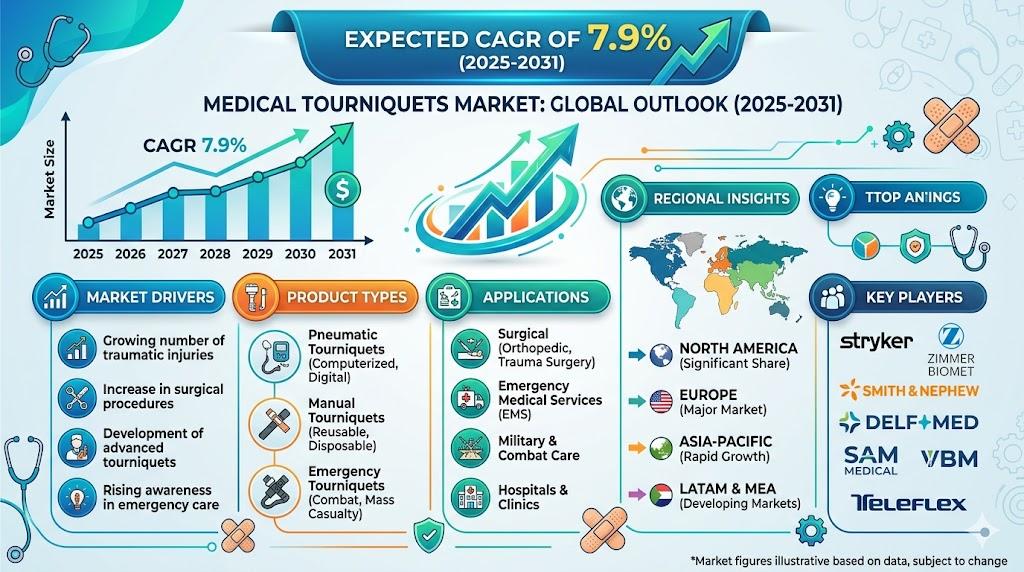
Medical tourniquets are critical tools used in hospitals, trauma centers, surgical procedures, sports medicine, military applications, and outdoor emergency preparedness. They play an essential role in hemorrhage control, saving lives during trauma or critical bleeding incidents. Over the years, advancements in tourniquet design, technology, and application have significantly increased their...