Crypto.
 About
About
 Passport
 Conference call
 send money
 Koşullar
 Gizlilik
 Sierra market
The Smart Building Block: The Modular Data Center Market Platform Explained
The Platform as an Integrated, Prefabricated System
In the context of modern digital infrastructure, a Modular Data Center Market Platform is not a piece of software, but a highly engineered, integrated hardware system. It is a platform in the truest sense of the word: a stable foundation upon which an organization can build its IT operations. This platform consists of prefabricated, self-contained modules that house all the necessary components of a data center—IT racks, power distribution, cooling systems, and physical security—all assembled and tested in a factory before being shipped to a site. The platform can take two primary forms: an all-in-one module, often resembling a standard ISO shipping container, which contains all the necessary components in a single, transportable unit; or a multi-module system, where separate, purpose-built modules for IT, power, and cooling are designed to fit together like building blocks to create a larger, more scalable facility. The core concept of the platform is to transform the complex, bespoke art of data center construction into a predictable, repeatable, and scalable manufacturing process.
The IT Module: The Heart of the Operation
The IT module is the core component of any modular data center platform and the reason for its existence. It is the prefabricated structure designed to house the revenue-generating IT equipment: servers, storage arrays, and networking switches. These modules are engineered for high-density and operational efficiency. They come pre-configured with standard 19-inch racks, cable management systems, and power distribution units (PDUs) already installed. The environment is highly controlled, with integrated fire suppression, physical security (like access card readers and cameras), and environmental monitoring systems. A key aspect of the IT module is its cooling design. Depending on the expected IT load, the module can be designed to work with various cooling architectures, from simple direct expansion (DX) units for low-density deployments to sophisticated hot/cold aisle containment systems or even direct-to-chip liquid cooling for high-performance computing (HPC) and AI applications. The ability to choose or customize an IT module based on specific density, power, and cooling requirements is a key feature of modern modular platforms.
The Power and Cooling Modules: The Critical Support Infrastructure
Supporting the IT module are the critical power and cooling modules, which provide the lifeblood for the IT equipment. The Power Module is a self-contained unit that houses all the necessary electrical infrastructure. This typically includes switchgear to connect to the utility grid, an uninterruptible power supply (UPS) with batteries to provide clean, consistent power and ride-through in case of a short outage, and often a backup diesel generator for extended outages. By pre-fabricating and testing this complex electrical system in a factory, the risk of on-site installation errors is dramatically reduced. The Cooling Module houses the mechanical plant needed to remove the immense amount of heat generated by the IT equipment. This can include chillers, pumps, and cooling towers for water-based cooling systems, or large condenser units for air-based systems. By containerizing the power and cooling infrastructure, organizations can scale these critical systems independently of the IT space and can easily add redundancy (e.g., adding a second power module) to increase the facility's overall resilience and tier rating.
The Future of the Platform: Software-Defined and AI-Optimized
While the modular data center platform is fundamentally a hardware system, its future evolution will be defined by software. The next generation of platforms will be deeply integrated with Data Center Infrastructure Management (DCIM) software, creating a truly "software-defined" data center. This software will provide a single pane of glass to monitor and manage the entire facility, from the temperature of a specific server to the efficiency of the cooling system. This will enable a much higher degree of automation and remote management, which is critical for operating distributed edge sites. The integration of Artificial Intelligence (AI) will be the next major leap. AI-powered DCIM tools will be able to analyze real-time operational data to predict potential equipment failures before they happen, automatically optimize cooling and power usage to improve energy efficiency, and perform capacity planning by forecasting future resource needs. This will transform the modular data center from a static set of building blocks into a dynamic, self-optimizing, and intelligent infrastructure platform, further increasing its value proposition over traditional, manually managed facilities.
Explore More Like This in Our Reports:
Bub
Do?

Kategoriler
Read More
The Newport Beach Film Festival is set to recognize distinguished talents at its upcoming U.K. and Ireland Honors event, scheduled for February 19. The ceremony will be hosted by Nick Mohammed and Edith Bowman, celebrating the achievements of prominent figures in the entertainment industry. A highlight of the event will be the presentation of the coveted Icon Award, which honors Jennifer...

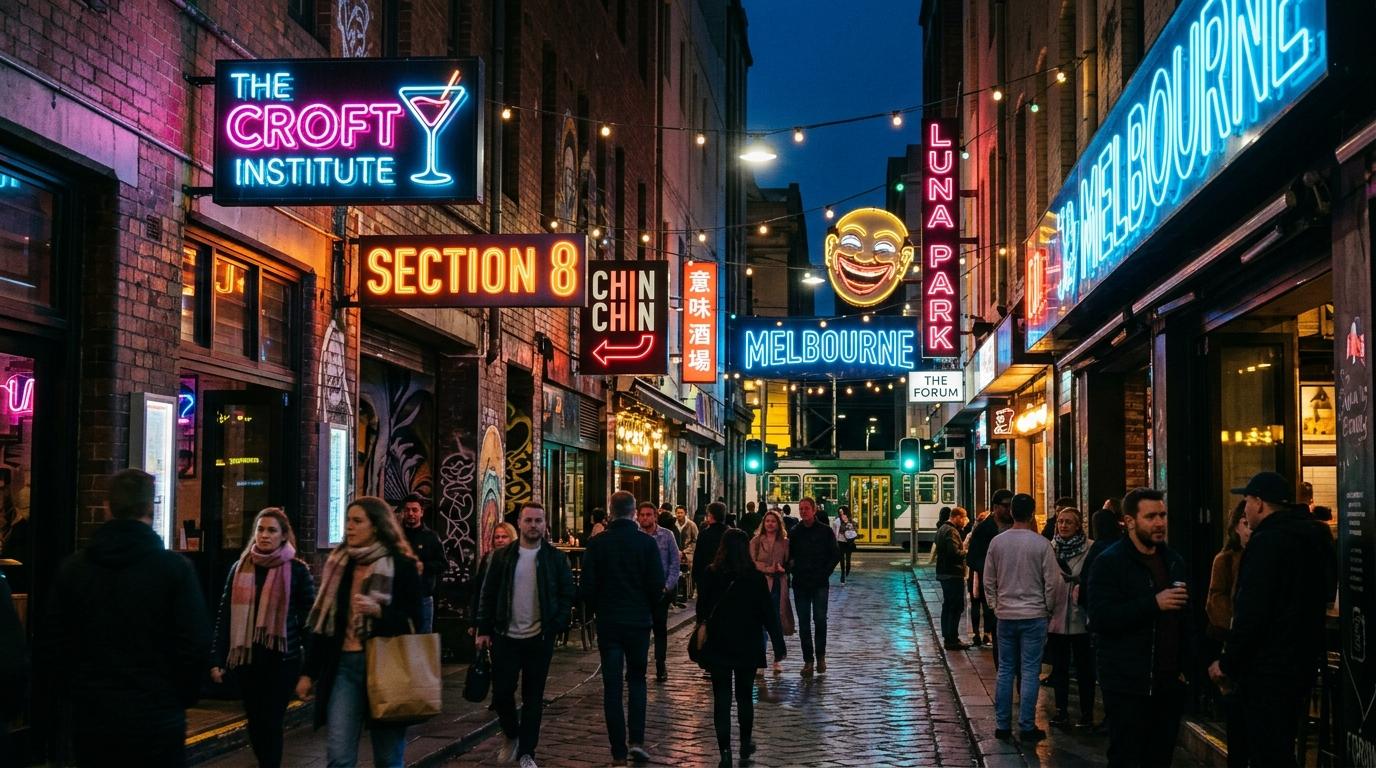
In the bustling streets of Melbourne, where thousands of businesses compete for consumer attention, the ability to create a lasting visual impression is invaluable. One of the most powerful tools for achieving this is an illuminated logo — a logo with light in Melbourne that transforms a simple brand symbol into a glowing beacon of recognition and trust. An illuminated logo does far more...
The Mobile Gaming Market Growth is accelerating at an unprecedented pace as smartphone penetration reaches new heights and mobile networks evolve to support increasingly sophisticated gaming experiences. Mobile Gaming Market Size was estimated at 93.72 USD Billion in 2024. The Mobile Gaming industry is projected to grow from 102.46 USD Billion in 2025 to 250.01 USD Billion by 2035,...
Rising Stars Join Meghann Fahy in New Supernatural Project Production has officially begun in the United Kingdom for the chilling new thriller "Banquet," featuring an impressive ensemble cast of emerging and established talent. The film centers on Jenny Cochrane (portrayed by "The White Lotus" star Meghann Fahy), whose seemingly perfect life unravels when her estranged son returns, awakening a...
A tummy tuck in Riyadh is a body contouring procedure designed to improve abdominal shape by removing excess skin, reducing stubborn fat, and tightening weakened muscles. While the physical transformation is often the main focus, many patients also experience a significant improvement in body confidence and overall self-image after the procedure. This combination of aesthetic...