


 Crypto.
 Σχετικά
 Passport
 Conference call
 send money
 Όρους
Όρους
 Ιδιωτικότητα
 Sierra market
Psychology Billing Services: 2026 Guide to Faster Payments
Psychology billing services manage the specialized revenue cycle of behavioral health practices, converting therapeutic sessions into accurate, compliant insurance claims. Securing faster payment processing requires rigorous front-end benefit verification, strict start-and-stop time documentation, correct carve-out payer routing, and rapid denial follow-up. Dedicated behavioral health billing partners like HMS USA Inc maintain clean claim submission rates above 98%, cutting average accounts receivable (AR) from 60+ days down to under 30 days.
The Reality of Psychology Billing in 2026: Why Cash Flow Gets Trapped
┌─────────────────────────────────────────────────────────┐
│               Typical Payment Delays                    │
├─────────────────────────┬───────────────────────────────┤
│ In-House / Generalist   │ 45 – 75+ Days in AR           │
│ HMS USA Inc Managed     │ 14 – 28 Days in AR            │
└─────────────────────────┴───────────────────────────────┘
Time-Based CPT Coding and Precise Timestamping Rules
-
CPT 90791: Psychiatric Diagnostic Evaluation (Integrated clinical intake, non-time-based).
-
CPT 90832: Psychotherapy, 30 minutes (Exact range: 16 to 37 minutes).
-
CPT 90834: Psychotherapy, 45 minutes (Exact range: 38 to 52 minutes).
-
CPT 90837: Psychotherapy, 60 minutes (Minimum required time: 53+ minutes).
Carve-Out Networks and Regional Payer Hurdles (Texas & Virginia)
-
Behavioral Health Carve-Outs: A patient may carry primary medical coverage through a major commercial payer, but their mental health benefit is carved out to a third-party administrator such as Optum Behavioral Health, Magellan, or Carelon. Submitting claims to the medical address leads to immediate rejections and lost weeks in turnaround.
-
Texas Market Nuances: Under Texas Department of Insurance (TDI) prompt pay rules, clean claims submitted electronically must be paid within 30 days. However, payers frequently utilize pre-service prior authorization demands or non-quantitative treatment limit (NQTL) reviews to pause the prompt-pay clock.
-
Virginia Market Nuances: In Virginia, navigate distinct credentialing hurdles between commercial health plans and Virginia DMAS (Medicaid) managed care organizations (MCOs). Maintaining active CAQH ProView profiles and correct NPI alignment (Type 1 Individual vs. Type 2 Group) is critical to prevent batch claim rejections.
Key Takeaway: Faster payment processing requires verifying carve-out administrators before the first clinical intake and enforcing exact time documentation in every encounter note.
The Anatomy of a High-Speed Behavioral Health Revenue Cycle
  [1. Eligibility & Verification] ──► [2. Coding & Modifiers]
                                              │
  [4. AR & Denial Recovery]     ◄── [3. Scrubbed Submission]
1. Front-End Verification & Prior Authorization Tracking
-
Active insurance status and specific behavioral health copay, coinsurance, and deductible amounts.
-
Dedicated carve-out claims submission addresses and payer IDs.
-
Annual visit limits or session caps under Mental Health Parity and Addiction Equity Act (MHPAEA) regulations.
-
Active prior authorizations, ensuring authorization numbers are tied to the specific treating provider's NPI.
2. Coding Precision: Modifiers, E/M Add-Ons, and Telehealth
-
Telehealth Services: Ensure proper Place of Service (POS) coding (POS 02 for telehealth provided outside patient home; POS 10 for telehealth in patient home) combined with Modifier 95 or FQ/FR as dictated by specific payer policy.
-
Evaluation & Management (E/M) Combinations: When prescribing clinicians or psychiatric providers deliver both medical management and therapy, bill the core E/M code (99202–99215) with psychotherapy add-on codes (90833, 90836, or 90838).
-
Interactive Complexity (CPT 90785): Utilize add-on code 90785 when specific factors (such as third-party involvement, high-discord family dynamics, or language barriers) complicate service delivery.
3. Denial Management & Aggressive Accounts Receivable Recovery
-
Categorization Within 24 Hours: Sorting rejections into registration errors, coding mismatches, or medical necessity queries.
-
Targeted Appeals: Submitting complete progress notes, initial diagnostic assessments, and treatment plans aligned with American Psychological Association (APA) guidelines.
-
AR aging discipline: Reviewing all unpaid claims past 21 days rather than waiting for 60- or 90-day clearinghouse reports.
Ready to eliminate billing backlogs? Discover how HMS USA Inc reduces accounts receivable turnaround time to under 30 days for Texas and Virginia healthcare providers.
Strategic Comparison: Billing Solutions for Psychology Practices
| Performance Metric | In-House Billing Staff | Generic Medical Billing Agency | Specialized HMS USA Inc Services |
| First-Pass Clean Claim Rate | 80% – 85% | 88% – 92% | 98%+ |
| Average Days in AR | 55 – 75 Days | 40 – 50 Days | 14 – 28 Days |
| Specialized Behavioral Health Expertise | Variable (High Turnover) | Low (Focuses on Medical/Surgical) | 100% Dedicated Behavioral Health Team |
| Carve-Out & Parity Expertise | Limited | Moderate | Expert Mastery (Optum, Magellan, Carelon) |
| TX & VA Regional Compliance | Manual Oversight | National Generic Rules | Direct State-Level Regulatory Alignment |
Strategic Advantages of Partnering with HMS USA Inc
  ┌─────────────────────────────────────────────────────────────┐
  │                 HMS USA Inc Impact                         │
  ├─────────────────────────────────────────────────────────────┤
  │  • 98%+ Clean Claim Acceptance                              │
  │  • Sub-30 Day Accounts Receivable (AR) Average              │
  │  • Zero Software Migration Friction                         │
  │  • Dedicated Texas & Virginia Compliance Specialists        │
  └─────────────────────────────────────────────────────────────┘
-
Seamless EHR Integration: HMS USA Inc integrates directly into your existing EHR and practice management software (such as SimplePractice, TherapyNotes, or Kareo), removing software transition headaches.
-
Dedicated Credentialing Maintenance: We manage ongoing CAQH profile updates, re-credentialing cycles, and provider enrollment maintenance so you never experience network drops.
-
Transparent Real-Time Analytics: Gain complete visibility into your practice's monthly revenue, denial trends, CPT utilization distribution, and payer performance through customized reporting dashboards.
Action Plan: 4 Steps to Cut Days in AR Below 30 Days
-
Audit Your Current AR: Run an aging report filtered for claims past 30 days. Identify the top three payers responsible for delayed claims.
-
Standardize Session Time Documentation: Enforce exact start and stop timestamps (e.g., 2:00 PM – 2:53 PM) across all clinician progress notes today.
-
Verify Carve-Out Payer IDs: Audit your patient roster to ensure mental health claims are routed to dedicated behavioral health administrators rather than primary medical clearinghouses.
-
Partner with Specialized Experts: Transition your revenue cycle management to a dedicated provider. Contact HMS USA Inc for a complimentary practice revenue audit and custom collection strategy.
FAQs
How long should psychology billing claims actually take to process?
Why do psychology practices face higher claim denial rates than other specialties?
What are the most common CPT codes used in psychology billing?
How do mental health parity laws affect reimbursement in 2026?
Can psychologists bill insurance for telehealth sessions at the same rate as in-person visits?
What is the fastest way to resolve unpaid accounts receivable (AR)?
Transform Your Practice’s Cash Flow Today
Bub
Do?

Κατηγορίες
Διαβάζω περισσότερα
The Dry Ageing Beef Market is gaining attention as consumers, restaurants, specialty butchers, and premium food retailers increasingly seek distinctive meat products with enhanced flavor, tenderness, and culinary appeal. Dry ageing is a traditional meat-processing technique in which selected beef cuts are stored under carefully controlled temperature, humidity, and airflow conditions for an...

In the months since Hollow Knight: Silksong finally landed on PC and consoles, a curious pattern has emerged. Players who spent years begging for a release date are now flooding forums with a very different kind of plea: for help. The sequel's punishing boss fights and labyrinthine zones have sparked heated debates about accessibility, and developer Team Cherry has an unapologetic answer....

Path of Exile 2 has redefined the action RPG genre, providing players with a complex and immersive experience. The game’s world is expansive and filled with danger, secrets, and opportunities for creative problem-solving. Players are encouraged to explore every corner of this dark and detailed universe, uncovering hidden challenges while refining their characters through careful planning...

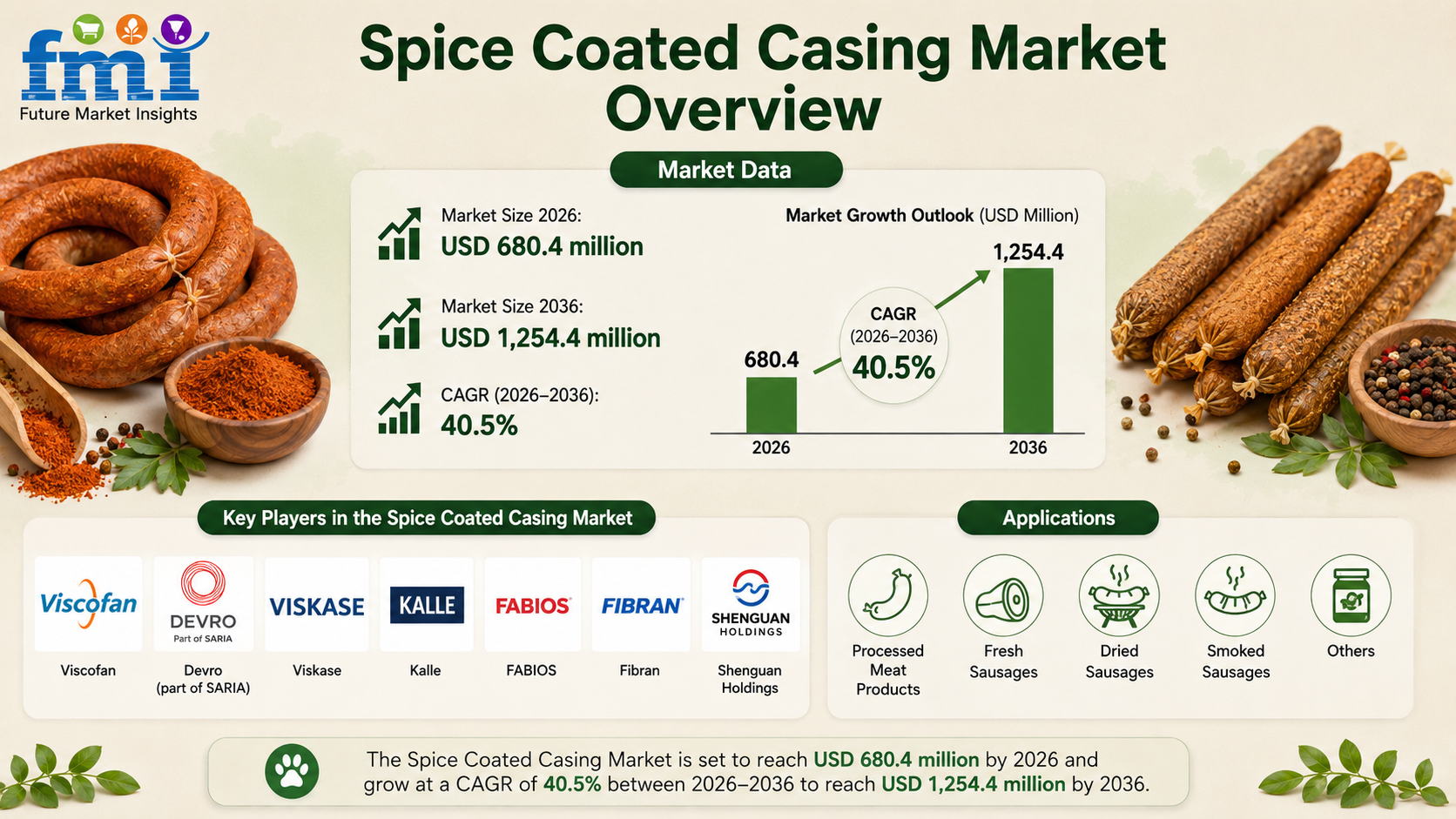
NEWARK, Del., USA | May 22, 2026 — According to Future Market Insights (FMI), the global spice coated casing market is witnessing strong growth, supported by rising demand for premium processed meat products, expanding industrial sausage production, and increasing preference for visually appealing surface-seasoned meat formats. Growing adoption of coated casing systems among meat...
Feuerstärke im Sammelkartenspiel Entfache das Schlachtfeld mit dem brandheißen Mega-Lohgock-Ex-Deck aus dem neuesten Set „Mega-Aufstieg“ für das Pokémon Sammelkartenspiel Pocket. Dieses kraftvolle Deck setzt auf das feurige Pokémon Mega-Lohgock-Ex, das mit seiner beeindruckenden Attacke „Mega-Brand“ verheerenden Schaden anrichtet. Bei...
