


 Crypto.
 Über
Über
 Passport
 Conference call
 send money
 Bedingungen
 Datenschutz
 Sierra market
Understanding Every Stage of the IPO Lifecycle
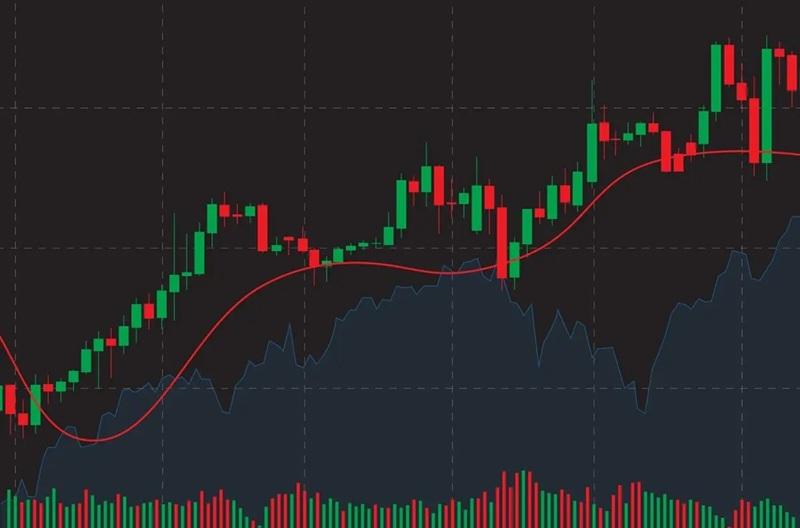
An Initial Public Offering, or IPO, is the process through which a privately held company offers its shares to public investors for the first time. While many people focus mainly on the listing day and the opening share price, an IPO involves a much longer process.
The ipo cycle begins well before shares become available to the public and continues even after the company is listed on a stock exchange. Understanding each stage can help investors see how a company moves from private ownership to becoming a publicly traded business.
What Is the IPO Cycle?
The IPO cycle refers to the different stages a company goes through before, during, and after its initial public offering. The process generally includes preparation, regulatory filings, due diligence, marketing to investors, pricing, allotment, listing, and post-listing activities.
The exact process can vary depending on the country, stock exchange, and regulatory requirements. However, the overall objective remains similar: helping a private company raise capital from public investors while meeting disclosure and compliance requirements.
Stage 1: The Decision to Go Public
The IPO cycle usually begins when a company's management and existing shareholders decide that going public is the right next step.
A company may choose an IPO to raise capital for expansion, reduce debt, fund acquisitions, invest in new technology, or provide existing investors with an opportunity to realize part of their investment.
However, going public also brings greater scrutiny. The company must disclose financial information, follow market regulations, and answer to public shareholders. For this reason, the decision to launch an IPO is usually made after careful consideration of the company's growth plans and financial position.
Stage 2: Appointing Investment Banks and Advisors
Once the decision is made, the company appoints investment banks, legal advisors, auditors, and other professionals to manage the IPO process.
Investment banks play an important role in structuring the offering and helping determine how the shares will be marketed to investors. Legal and financial advisors help ensure that the company meets applicable disclosure and regulatory requirements.
During this stage, the company and its advisors begin preparing for detailed financial reviews and regulatory filings.
Stage 3: Due Diligence and Financial Preparation
Due diligence is one of the most important stages of the ipo cycle.
The company’s financial statements, business operations, risks, legal matters, management structure, and future plans are examined in detail. This process is designed to ensure that important information is properly disclosed before public investors can buy shares.
The company may also need to strengthen internal controls, improve corporate governance, and prepare systems for the additional reporting responsibilities that come with being publicly listed.
A company that has operated privately for years may need significant preparation before it is ready to meet public-market standards.
Stage 4: Preparing the Offer Document
The next major step involves preparing the official offer document.
In India, companies generally file a Draft Red Herring Prospectus, commonly known as a DRHP, with the relevant market regulator before proceeding with the public issue. The document contains important information about the company's business, financial performance, management, risk factors, use of proceeds, and other material details.
For investors, the offer document is an important source of information because it explains the company and the proposed issue in greater detail.
However, investors should not assume that a strong-looking prospectus guarantees a successful investment. The document provides information, but the investment decision still requires independent analysis.
Stage 5: Regulatory Review and Approval
After the required documents are filed, regulators review the information and may ask for clarifications or additional disclosures.
The company and its advisors may need to revise the documents before moving to the next stage. Regulatory review is intended to improve transparency and ensure that investors receive the information required under applicable securities rules.
Approval or clearance from a regulator should not be treated as an endorsement of the company's investment quality. It simply means the offering has progressed through the required regulatory process.
Stage 6: Marketing the IPO
Once the issue moves closer to launch, the company and its investment bankers begin marketing the offering to potential investors.
This process may include presentations and meetings with institutional investors, often referred to as a roadshow. The objective is to explain the company's business model, growth strategy, financial performance, and investment case.
Investor feedback during this stage can influence demand and help the company and its advisors assess interest in the offering.
Strong demand may support the proposed valuation, while weak interest could force changes to pricing or other aspects of the issue.
Stage 7: Price Discovery and the IPO Price Band
One of the most closely watched parts of the ipo cycle is price discovery.
The company must determine an appropriate valuation for the public offering. If the shares are priced too high, investor demand may weaken. If they are priced too low, the company and existing shareholders may raise less capital than expected.
In book-built IPOs, investor bids can help determine demand within the announced price range. The final issue price is then established based on the applicable process and investor interest.
For investors, the issue price alone should not determine whether an IPO is attractive. The company's valuation, earnings potential, competitive position, financial health, and future risks are equally important.
Stage 8: Subscription Period
The IPO then opens for subscription.
Different categories of investors may participate according to the rules applicable to the offering. During this period, investors submit applications to buy shares at the available price or within the announced price range.
The level of subscription often receives significant attention. A heavily subscribed IPO may indicate strong demand, but high subscription numbers alone do not guarantee strong long-term returns.
Market conditions can change quickly after listing, and investor enthusiasm during an IPO may not always reflect the company's long-term business fundamentals.
Stage 9: Share Allotment
After the subscription period closes, the allotment process begins.
The final allocation depends on the type of issue, investor category, applicable regulations, and the level of demand. If an IPO is oversubscribed, not every applicant will receive the number of shares requested.
Investors who do not receive an allotment generally have their blocked or unallocated application funds released according to the applicable process.
This stage marks the transition from applying for shares to becoming a shareholder in the company.
Stage 10: Listing on the Stock Exchange
Listing day is the stage most familiar to the general public.
Once the allotted shares are credited and the company completes the required listing procedures, its shares begin trading on the stock exchange. The market then determines the share price based on supply and demand.
A stock may list above or below its issue price. However, listing gains or losses should not be confused with the company's long-term investment potential.
The beginning of public trading is not the end of the ipo cycle. It is the beginning of a new phase in the company's life as a publicly traded business.
Stage 11: The Post-IPO Phase
After listing, the company must meet ongoing disclosure, reporting, and corporate governance requirements.
Management now has public shareholders to consider, and quarterly or periodic financial performance can influence market sentiment. The company must balance long-term strategy with the expectations of investors and the pressure created by short-term market movements.
Post-listing performance may also affect future capital-raising plans, employee stock compensation, acquisitions, and the company's overall reputation in financial markets.
Lock-In Periods and Existing Shareholders
In some IPOs, certain existing shareholders may face restrictions on selling their shares immediately after listing.
These lock-in requirements vary depending on the market, shareholder category, and applicable regulations. When lock-up or lock-in restrictions eventually expire, the potential increase in available shares can sometimes influence market supply and investor sentiment.
Investors should understand the ownership structure and any applicable restrictions instead of focusing only on the listing price.
How the IPO Cycle Affects Investors
Understanding the ipo cycle can help investors avoid looking at an IPO as a single event.
The preparation stage can reveal how the company is positioned before going public. The offer document can provide insight into financial performance and risks. The pricing and subscription stages can show how the market is valuing the company, while post-listing performance reveals how the business performs under public-market expectations.
Each stage provides different information, and no single metric should be used to make an investment decision.
Common Mistakes Investors Make During an IPO
One common mistake is applying for an IPO simply because it is receiving heavy subscription or generating social media attention.
Another mistake is focusing entirely on possible listing gains while ignoring valuation and business fundamentals. Some investors also assume that every newly listed company will continue rising after its first day of trading.
That assumption is wrong. A successful IPO launch and a successful long-term business investment are not necessarily the same thing.
Investors should consider the company's revenue, profitability, debt, competitive position, growth prospects, risks, and valuation before making a decision.
Final Thoughts
The IPO process is much more than a company announcing shares for sale.
The ipo cycle moves through several important stages, starting with the decision to go public and continuing through preparation, due diligence, regulatory filings, marketing, price discovery, subscription, allotment, listing, and ongoing responsibilities as a public company.
For investors, understanding this process provides useful context. It helps separate the excitement surrounding an IPO from the underlying business and the risks involved.
A successful listing can attract attention, but long-term value ultimately depends on how well the company performs after entering the public market.
Disclaimer: This article is for educational and informational purposes only and should not be considered investment or financial advice.
Bub
Do?

Kategorien
Mehr lesen
Market Overview The Lymphedema Treatment Market features a moderately fragmented competitive landscape with a mix of established global medical device companies and specialized niche players. These companies compete on the basis of product quality, innovation, clinical evidence, and brand reputation. The market is seeing increasing activity, with companies launching new technologies, forming...

Russia's new mandatory messaging app, Max, raises alarms over state surveillance capabilities. Security assessments reveal the platform possesses extensive user tracking features. From September 1st, all new mobile devices sold in Russia must come with Max pre-installed. While some analyses note it requests fewer permissions than competitors, the core concern remains. All data transmitted...
MMOEXP offers one of the most reliable solutions for purchasing game currency, items,accounts, and more. You can now use the exclusive discount code "east" to enjoy a 8% discount. EA Sports FC 27 is bringing a major redesign to Career Mode, with changes aimed at making management decisions feel more realistic and rewarding. From revamped transfer mechanics to dynamic player ratings and...

Авторы канала Genshin Academy | ZZZ | H:SR выпустили детальный гайд по Ми Фу — основному физическому дамагеру в Arknights: Endfield. В ролике последовательно разбираются механики трёх боевых навыков героини: стяжки, разгрома и мирового раскола. Ключевое условие активации сильнейшего умения — использование разгрома при минимум трёх стаках уязвимости на цели; четвёртый стак считается...
Troubleshooting Valorant VAN9005 Encountering the VAN9005 error in Valorant can be frustrating, as it prevents you from launching the game and demands some troubleshooting steps. Although it might seem complicated at first, understanding the solutions outlined by bo3.gg makes fixing this issue straightforward, no matter your PC specifications. Unlike simple in-game adjustments, resolving...
