Crypto.

 Passport
 Conference call
 send money
 الشروط
 الخصوصية
 Sierra market
Rock Signs for Business: Durable Ideas for Outdoor Branding
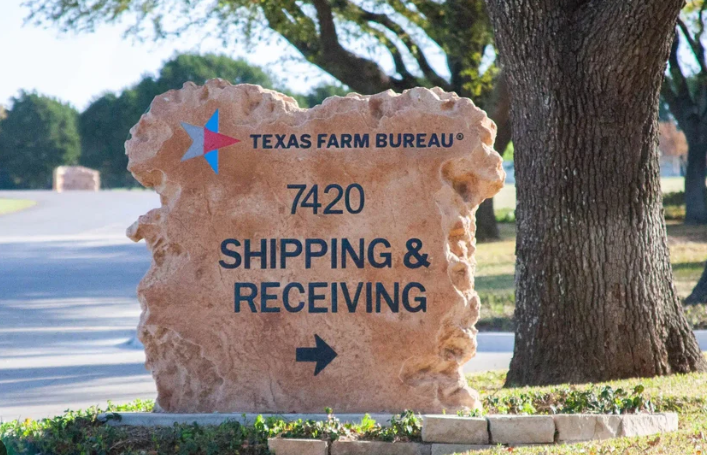
Rock signs for business offer an attractive way to identify commercial properties while creating a strong connection between signage and the surrounding landscape. Natural stone has a substantial, permanent appearance that can make an entrance feel established and professional. Unlike lightweight signs that may appear temporary, a well-designed rock sign can become an integrated part of a property's architecture and landscaping. Businesses such as offices, resorts, restaurants, garden centers, professional practices, and recreational facilities can use stone signage to communicate their identity while improving the appearance of their outdoor space.
Effective commercial signage needs to be visible, recognizable, and appropriate for the property's surroundings. Rock signs can meet these requirements when their size, lettering, colors, placement, and landscaping are carefully planned. A business name or logo needs to remain easy to recognize from the intended viewing distance, while the stone itself should complement the building and surrounding environment. With thoughtful design, natural stone signage can combine practical identification with long-term visual appeal, helping create a welcoming first impression for customers, visitors, employees, and delivery personnel.
Why Choose Rock Signs for Business?
Stone signage provides a distinctive combination of durability and natural character. A large rock can create visual weight at a property entrance, making the business location easier to identify without relying on overly elaborate decoration. The natural variations in stone color, texture, and shape also allow businesses to create signage with an individual appearance. This can be particularly useful for properties surrounded by gardens, trees, lawns, or other natural features. Instead of treating the sign as a separate object, designers can integrate it into the landscape so that the stone, planting, pathways, and building work together. The result can be a cohesive entrance feature that remains relevant even as landscaping and branding elements evolve.
Selecting the Right Rock for Commercial Signage
The choice of stone should reflect the scale, architecture, and character of the business property. A large commercial facility may require a substantial stone feature that can be seen from a driveway or road, while a smaller professional office may benefit from a more modest marker near its entrance. The stone's shape also affects the design possibilities. A broad, relatively flat surface can provide space for a business name and logo, while a naturally irregular rock may create a more rustic appearance. Color should be considered alongside the building exterior, paving, landscaping, and lettering. Selecting a stone that complements these elements can make the sign feel intentionally designed rather than simply placed on the property.
Designing Clear and Professional Business Signage
The primary purpose of a commercial sign is identification, so readability should remain central to the design. Business names, logos, addresses, and other essential information should be appropriately sized for the distance from which visitors are expected to see them. Simple lettering can often provide stronger readability than overly decorative typography, particularly for signs positioned near driveways or roads. Contrast between the stone surface and lettering can also improve visibility under different lighting conditions. Businesses should avoid overcrowding the available surface with unnecessary information. A focused design featuring the most important identification details can communicate the brand more effectively while maintaining a clean and professional appearance.
Integrating Rock Signs With Landscaping
Landscaping plays an important role in determining how a rock sign is perceived. Plants, decorative grasses, mulch, gravel, pathways, and lighting can frame the stone and make it feel like a natural component of the property. However, landscaping should not obscure the business name or interfere with visibility from the road. Low-growing plants are often useful around the base because they can soften the transition between stone and ground without covering important information. The surrounding materials can also reinforce the company's visual identity. For example, a modern business may use clean planting arrangements and simple stone placement, while a nature-oriented property may choose more informal vegetation and natural textures.
Placement and Visibility Matter
Even a well-designed stone sign can fail to serve its purpose if visitors cannot easily see it. Placement should be determined by the property's traffic flow, entrance configuration, surrounding structures, and typical viewing distance. A sign near a driveway should be positioned where approaching drivers have enough time to recognize it safely. Businesses located behind landscaping, walls, or other structures may need to consider sightlines from several directions. Lighting can also improve nighttime visibility and help maintain the sign's presence after sunset. The goal is to make identification straightforward without creating an obstruction or distracting from safe movement around the property.
Durability and Long-Term Value
Commercial signage is exposed to sunlight, rain, temperature fluctuations, dust, and landscaping activities throughout the year. Natural stone can provide a durable foundation for outdoor identification, but the lettering and finishing methods also need to be selected with long-term outdoor exposure in mind. Businesses should consider how the chosen materials will age and whether periodic cleaning or maintenance will be required. The stone should also be installed securely, particularly when using a large or heavy piece. A stable foundation can help prevent movement caused by erosion, soil changes, or accidental contact. Taking these factors into account during installation can help preserve the sign's appearance and functionality over an extended period.
Rock Signs for Different Types of Businesses
The flexibility of stone makes it suitable for many commercial environments. Hospitality properties can use large entrance stones to create a welcoming sense of arrival, while offices and professional practices can use smaller markers to communicate a refined identity. Restaurants, golf facilities, nurseries, farms, outdoor recreation businesses, and residential developments can also benefit from natural stone signage. The design should reflect the character of the organization rather than following a universal style. A polished stone with restrained lettering may suit a contemporary business, while a rugged natural surface may complement a rustic property. Customization allows businesses to create signage that reinforces their surroundings and brand personality.
Planning a Successful Commercial Rock Sign
Before installing a stone sign, businesses should consider the purpose, location, dimensions, branding requirements, viewing distance, and surrounding landscape. It is useful to evaluate the proposed placement from the perspective of both pedestrians and approaching vehicles. The amount of information should be limited to details that visitors genuinely need, with additional information potentially provided through other signage. The design should also account for future landscaping growth so that plants do not eventually hide the lettering. Careful planning at the beginning can reduce installation challenges and help the finished sign remain useful as the property develops. A well-executed rock sign should feel like an intentional part of the business environment rather than an isolated advertising element.
Conclusion
Rock signs for business can provide a distinctive combination of property identification, natural beauty, durability, and professional presentation. Their effectiveness depends on selecting an appropriate stone, creating readable lettering, positioning the sign where it can be easily recognized, and integrating it thoughtfully with the surrounding landscape. Businesses should also consider long-term maintenance, weather exposure, lighting, and future landscape growth before installation. Whether used at an office, resort, restaurant, commercial property, or outdoor facility, a carefully designed stone sign can create a memorable entrance while serving a practical purpose. With the right planning, natural stone signage can become a durable and attractive representation of a business for years to come.
Bub
Do?

الأقسام
إقرأ المزيد
Sensitive Marine One blueprints surfaced in Tehran after an Iranian IP address accessed classified files including presidential helicopter specifications and cost analyses Digital espionage groups actively scour file-sharing networks with multiple nations hostile to US interests known to harvest such leaked defense data The breach originated from a Maryland defense contractor who installed...

Fritz!Box VPN Solutions Fritz!Box is one of Germany’s most popular home routers (made by AVM), prized for strong Wi‑Fi range, mesh support, smart‑home features and built‑in NAS — but it has a limitation: you can’t install generic third‑party VPN clients on it. The firmware doesn’t allow replacing the OS without losing AVM’s special functions, and the device only...
In today's competitive industries, having the right workwear is essential for employee safety, efficiency, and brand visibility. However, finding a reliable workwear clothing company that understands the unique needs of your business can be a daunting task. This is particularly true for companies operating in diverse sectors such as construction, offices, railways, industrial manufacturing, and...
Star Wars GO Event Overview The Movie Night sticker album has finished, and Monopoly GO has turned its attention to a galaxy far, far away. A new Star Wars GO sticker album is live now, and it’s accompanied by a short solo event called Jedi Journey. Jedi Journey kicked off on May 1 and runs for just two days, ending on May 3. The event features 62 milestones to clear — similar in...
Non-Alcoholic Beverage Market Poised to Surpass USD 2.1 Trillion by 2032 as Health-Conscious Consumers Drive Industry Transformation Rising Demand for Functional and Healthy Drinks Accelerates Growth Across Global Markets The non-alcoholic beverage market is witnessing robust expansion as consumers increasingly embrace healthier lifestyles and seek alternatives to alcoholic...