


 Crypto.
 About
About
 Passport
 Conference call
 send money
 Voorwaarden
 Privacy
 Sierra market
Window Cleaning Maintenance Plan: A Practical Guide to Cleaner, Better-Maintained Windows
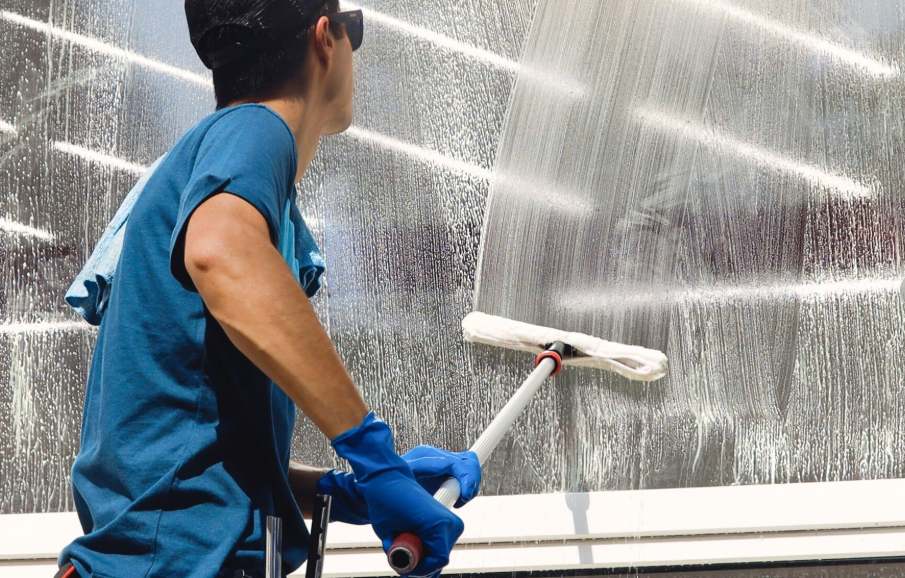
A window cleaning maintenance plan provides a structured way to keep residential and commercial windows clean, clear, and presentable throughout the year. Rather than waiting until glass becomes heavily stained or covered with dust, a planned approach establishes regular cleaning intervals based on the property's environment, window type, and level of use. Consistent maintenance can improve natural light, enhance curb appeal, and help property owners identify visible problems before they become more difficult to address.
A well-designed plan should also consider more than the glass itself. Window frames, tracks, screens, sills, seals, and surrounding surfaces can accumulate dirt and moisture over time. When these areas are included in routine maintenance, the entire window system can remain cleaner and easier to manage. Whether the property is a family home, office, retail location, rental property, or larger facility, a customized schedule can make window care more efficient and predictable.
Why a Window Cleaning Maintenance Plan Matters
Regular window cleaning helps prevent everyday contaminants from developing into stubborn buildup. Dust, pollen, fingerprints, airborne pollutants, and water deposits can gradually reduce glass clarity. When these materials remain on the surface for extended periods, they may require more intensive cleaning to restore the original appearance. A maintenance plan reduces this problem by addressing dirt before it becomes deeply established. Regular cleaning can also support a property's overall presentation, particularly when windows are highly visible from streets, entrances, customer areas, or shared spaces.
For commercial properties, scheduled maintenance can be especially valuable because window appearance contributes to the overall impression of a business. Customers may associate a clean exterior with attention to detail and responsible property management. In residential settings, routine cleaning helps maintain a brighter, more inviting atmosphere while reducing the need for occasional intensive cleaning sessions. The goal is not simply to make windows look good on cleaning day but to create a repeatable system that keeps them in reasonable condition year-round.
Assessing Your Property's Window Cleaning Needs
The first step in developing a maintenance plan is understanding how quickly the property's windows become dirty. Location plays an important role. Homes and businesses near busy roads may experience more airborne dust, while properties surrounded by trees can collect pollen, leaves, and organic residue. Construction activity, landscaping, weather exposure, and nearby commercial operations can also influence cleaning requirements.
The type and number of windows should also be considered. Large glass panels may show fingerprints and water spots more clearly than smaller windows, while high or difficult-to-access windows may require specialized equipment. Properties with numerous screens, divided panes, or decorative glass can take longer to maintain than buildings with straightforward window designs. Evaluating these factors before setting a schedule helps prevent both under-cleaning and unnecessary service frequency.
Establishing a Seasonal Cleaning Schedule
A seasonal approach can provide a practical foundation for many properties. Spring cleaning can address pollen, accumulated winter residue, and debris that becomes noticeable as daylight increases. Summer maintenance may be useful for properties exposed to dust, heat, outdoor activity, or frequent storms. Fall cleaning can remove leaves, organic material, and seasonal buildup before cooler weather arrives. Winter service can be scheduled according to local conditions and property requirements, with greater attention given to safe working conditions.
Not every property needs the same number of cleanings each year. A residential property with moderate exposure may require periodic service, while a busy storefront may benefit from more frequent attention. The key is to observe the property's condition between cleanings and adjust the schedule accordingly. A maintenance plan should be flexible enough to respond to unusual weather, construction, special events, or changes in property use.
Including Frames, Screens, Tracks, and Sills
Glass is the most visible part of a window, but it is not the only area that requires maintenance. Frames can collect dust and environmental residue, while tracks may accumulate dirt, insects, and moisture. Screens can become coated with pollen and fine particles that reduce their appearance and restrict airflow. Sills can also gather debris that may eventually be carried indoors or contribute to staining.
Including these components in a maintenance routine creates a more complete result. Cleaning should be performed using methods appropriate for the material, since some frames and finishes can be damaged by harsh chemicals or abrasive tools. Property owners should also pay attention to areas where moisture tends to collect. Keeping these components reasonably clean makes future maintenance easier and allows visible deterioration, damaged seals, or other concerns to be noticed earlier.
Professional Cleaning Versus Routine DIY Maintenance
Many property owners can handle light interior maintenance between professional appointments. Removing fingerprints, dusting accessible sills, and gently cleaning small areas can help maintain appearance. However, exterior glass, upper-level windows, large commercial installations, and difficult-to-reach areas can present safety and equipment challenges. Attempting to clean elevated windows without appropriate equipment can create unnecessary risk.
Professional cleaning can complement routine household or staff maintenance by handling areas that are difficult to reach or require more specialized techniques. A professional service can also provide consistency across a large property, which is particularly useful for businesses and property managers. The best maintenance strategy may therefore combine simple ongoing care with scheduled professional cleaning rather than relying exclusively on either approach.
Recognizing Signs That Windows Need Attention
A maintenance schedule should not replace visual inspection. Windows may require cleaning sooner than expected when water spots become noticeable, glass develops a hazy appearance, screens look heavily coated, or fingerprints and smudges become persistent. After storms, construction work, or periods of unusually high pollen, additional cleaning may also be appropriate.
Property owners should distinguish between ordinary dirt and potential maintenance issues. Condensation between panes, cracked glass, deteriorated seals, damaged frames, or persistent moisture may indicate a problem that cleaning alone will not resolve. Identifying these signs during routine cleaning provides an opportunity to seek appropriate repairs before the condition worsens. Clean windows are valuable, but maintaining the complete window system is even more important for long-term property care.
Creating a Cost-Effective Long-Term Plan
A good maintenance plan balances cleaning frequency, property appearance, accessibility, and budget. Cleaning too infrequently may result in heavier buildup and more demanding service, while unnecessarily frequent cleaning can increase maintenance expenses without providing a meaningful additional benefit. Property owners can find a practical balance by tracking how quickly windows become visibly dirty and considering which areas require the most attention.
For businesses and property managers, documenting cleaning dates and observations can make future scheduling easier. The record can identify recurring seasonal patterns, high-traffic areas, and windows that require additional care. Residential owners can use a simpler approach by reviewing their windows periodically and arranging service before dirt becomes excessive. The most cost-effective plan is one that prevents neglected maintenance while matching the property's actual needs.
Conclusion
A window cleaning maintenance plan turns an occasional cleaning task into an organized part of responsible property care. By evaluating environmental conditions, setting appropriate seasonal intervals, maintaining frames and screens, inspecting for potential problems, and using professional assistance when necessary, property owners can keep windows clearer and easier to maintain. The right schedule will vary from one property to another, but consistency remains the foundation of effective window care. A practical, flexible maintenance plan ultimately helps protect the appearance and usability of windows while reducing the likelihood of neglected buildup and avoidable maintenance concerns.
Bub
Do?

Categorieën
Read More
Apple's system for pinpointing locations via Wi-Fi has sparked major privacy alarms. A recent study exposes how this technology can be misused for widespread surveillance. Researchers found that the method Apple uses can be reverse-engineered to track devices. This process involves collecting and analyzing public Wi-Fi network identifiers. In a short time frame, attackers could build a massive...

The Middle EAST Animal Protein Market was valued at USD 15.2 billion in 2024 and is projected to reach USD 25.8 billion by 2034, registering a CAGR of 5.5%. This growth trajectory is underpinned by increasing consumer demand for protein-rich diets, driven by rising health consciousness and changing dietary patterns. The region's growing population, coupled with urbanization, has led to an...

The global market for automation solutions in the petroleum refining sector is a highly consolidated and strategically critical space. A thorough analysis of the Refining Industry Automation Software Market Share reveals that a small number of large, diversified industrial technology companies control the vast majority of the market. This concentration is a direct result of the...

Die epische Waffenreihe Nod's Edge in Genshin Impact bietet dir eine kostenlose Möglichkeit, starke Ausrüstung zu erhalten, die perfekt auf die Mondreaktionen der Region abgestimmt ist. Die sekundären Werte konzentrieren sich meist auf Elementarbeherrschung und Energierückgewinnung – ideale Eigenschaften für Unterstützer mit teuren Ultimates oder hohem...
Season 3 of Marvel Rivals promises a host of thrilling updates that will significantly alter gameplay dynamics. Among these are a surprisingly powerful Wolverine buff, a new damage dealer named Phoenix, and a variety of Venom-themed skins for characters like Squirrel Girl, Rocket Raccoon, and Jeff the Land Shark. Fans of Spider-Man can rest assured—they haven’t been overlooked in...
