


 Crypto.
 About
About
 Passport
 Conference call
 send money
 Termeni
 Confidențialitate
 Sierra market
Commercial Landscape Maintenance: A Practical Guide to Better Business Properties
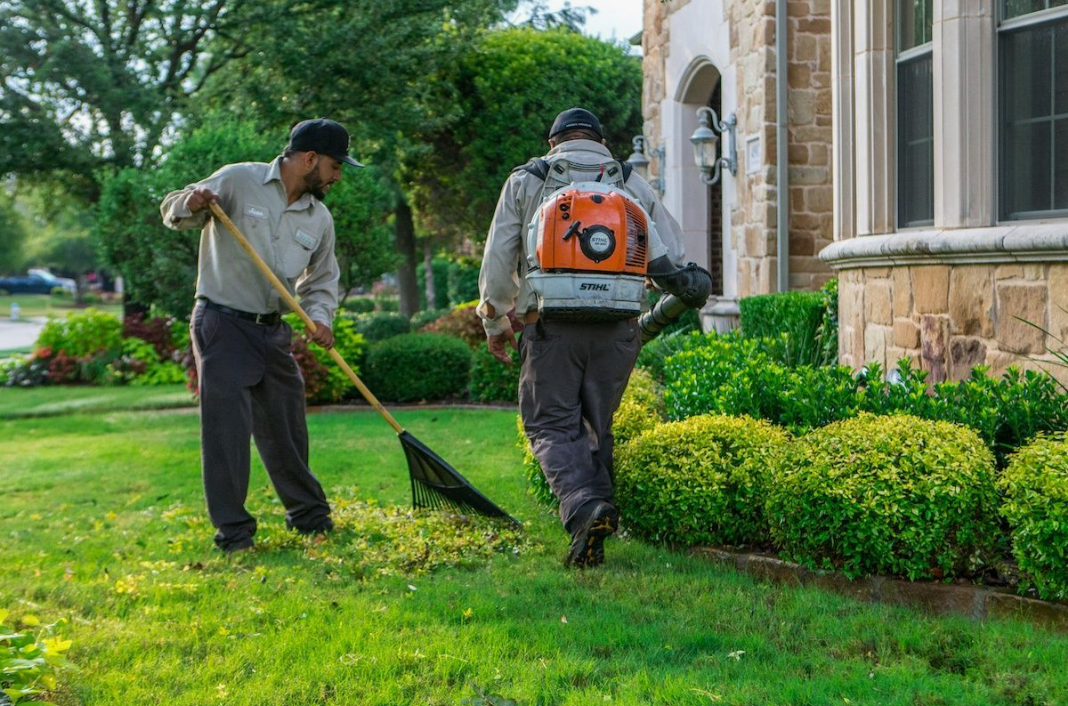
Commercial landscape maintenance plays an important role in keeping business properties attractive, functional, and welcoming. A well-maintained exterior can shape first impressions, support a professional brand image, and create a more pleasant environment for customers, employees, tenants, and visitors. From office complexes and retail centers to apartment communities, healthcare facilities, and hospitality properties, outdoor spaces require consistent attention to remain healthy and presentable. Effective maintenance goes beyond routine mowing; it involves coordinated care for lawns, trees, shrubs, planting beds, irrigation systems, walkways, and other landscape features.
For property owners and managers, reliable landscape maintenance can also simplify day-to-day operations. Outdoor areas are exposed to changing weather, foot traffic, pests, plant diseases, and seasonal growth, all of which can affect their appearance and condition. A structured maintenance program helps identify problems early and keeps essential tasks on a predictable schedule. Rather than responding only when the landscape looks neglected, businesses can take a proactive approach that protects their outdoor investment and supports a consistent property standard throughout the year.
Why Commercial Landscape Maintenance Matters
The exterior of a commercial property often serves as the first physical point of contact between a business and its visitors. Overgrown grass, untrimmed shrubs, weeds, damaged plants, or poorly maintained planting beds can make an otherwise professional property appear neglected. Consistent landscape maintenance helps create a cleaner and more organized appearance while ensuring that outdoor areas remain functional. It can also help property managers protect existing landscape investments by addressing minor concerns before they become larger problems. For example, correcting irrigation issues early may prevent extensive turf damage, while routine pruning can reduce conflicts between vegetation, buildings, signs, lighting, and pedestrian areas. Regular maintenance also provides an opportunity to monitor changes in plant health and property conditions. This combination of appearance, prevention, and functionality makes landscaping an important component of responsible commercial property management.
Essential Services in a Commercial Maintenance Program
A comprehensive maintenance program should be based on the specific needs of the property rather than a one-size-fits-all schedule. Lawn mowing and edging are fundamental services, but commercial landscapes often require much more. Shrubs and ornamental plants need appropriate pruning to maintain their natural form and prevent interference with entrances, signs, windows, and walkways. Planting beds may require regular weed control, soil care, mulching, and seasonal plant replacement. Trees should be monitored for dead, damaged, or potentially hazardous branches, while irrigation systems need periodic inspection to identify leaks, broken components, poor coverage, or inefficient watering. Leaf and debris removal also helps keep outdoor areas clean and reduces the accumulation of organic material in high-traffic locations. When these services are coordinated as part of one maintenance strategy, businesses can maintain a more consistent landscape without relying on last-minute corrections.
Creating a Seasonal Maintenance Strategy
Landscapes do not have identical needs throughout the year, which is why seasonal planning is essential. Plants respond differently to changes in temperature, rainfall, sunlight, and growing conditions. A maintenance program should adapt accordingly rather than following the exact same routine every month. During active growing periods, turf and ornamental plants may require more frequent attention, while periods of heat can increase irrigation demands. Cooler seasons may create opportunities for pruning, cleanup, soil improvement, and preparation for future growth. Seasonal weed management is also important because weeds can compete with desirable plants for water, nutrients, and space. Businesses can benefit from planning these activities ahead of time because proactive care is generally easier to manage than emergency corrections. A seasonal strategy also allows property managers to anticipate labor, materials, and maintenance requirements while keeping the landscape visually consistent as conditions change.
Irrigation Management and Water Efficiency
Irrigation is one of the most important components of landscape health, particularly for commercial properties with substantial turf and planted areas. Too little water can cause stress and decline, while excessive irrigation can contribute to weak plant growth, soil problems, fungal issues, and unnecessary water consumption. Effective irrigation management begins with understanding the property's landscape zones and the different water requirements of turf, trees, shrubs, and ornamental plants. Systems should be inspected regularly for damaged sprinkler heads, leaks, clogged components, and uneven coverage. Controllers should also be adjusted when seasonal conditions change rather than operating on a fixed schedule regardless of weather. Improving water distribution and correcting inefficient irrigation can help maintain healthier landscapes while reducing avoidable waste. A professional maintenance approach treats irrigation as an active management system instead of simply turning it on according to a predetermined routine.
Protecting Turf, Trees, and Plant Health
Healthy commercial landscapes depend on maintenance practices that support plants over the long term. Turf should be mowed at an appropriate height for its variety and condition, because cutting too aggressively can place unnecessary stress on grass. Trees and shrubs require careful observation for signs of disease, pest activity, nutrient deficiencies, or environmental stress. Pruning should serve a clear purpose, such as removing damaged growth, improving clearance, or supporting healthy development, rather than being performed solely for cosmetic reasons. Soil conditions also influence plant performance, making drainage, compaction, and nutrient availability worth considering when recurring problems appear. If a section of landscape repeatedly declines despite regular watering, the underlying issue may involve soil conditions, poor drainage, unsuitable plant selection, or another environmental factor. Addressing the cause rather than repeatedly replacing damaged plants can lead to a more sustainable and cost-conscious maintenance strategy.
Safety and Accessibility in Commercial Landscapes
Landscape maintenance should always account for the people who use the property. Vegetation should not obstruct sidewalks, entrances, parking areas, signs, lighting, or important lines of sight. Overhanging branches may need attention when they interfere with pedestrian routes or vehicle access. Uneven surfaces, exposed irrigation components, accumulated debris, and poorly maintained pathways can also create avoidable hazards. Commercial properties often have continuous activity, so maintenance work should be organized carefully around employees, customers, residents, deliveries, and other users. Equipment should be operated responsibly, and work areas should be managed in a way that minimizes unnecessary disruption. Accessibility is another important consideration. Walkways and entrances should remain clear and usable, with landscape growth controlled where it could interfere with movement. By combining landscape care with safety awareness, property managers can create outdoor environments that are both attractive and practical.
Choosing a Commercial Landscape Maintenance Provider
Selecting a maintenance provider requires more than comparing monthly prices. Property owners should evaluate whether a company understands commercial properties and can deliver consistent service according to documented expectations. Experience with similar sites can be helpful because a large retail center, corporate campus, apartment community, and small office property may each require different maintenance strategies. Communication should also be considered. A reliable provider should have a clear process for reporting issues, requesting additional work, coordinating schedules, and discussing changes in landscape conditions. Businesses should understand exactly which services are included in routine maintenance and which tasks are treated separately. It is also worth discussing how seasonal changes, irrigation problems, plant health concerns, and unexpected property issues will be handled. Choosing a provider based on overall reliability, expertise, communication, and service consistency can produce better long-term results than selecting an option based only on the lowest initial cost.
Building a Long-Term Landscape Management Plan
The strongest commercial landscapes are maintained through ongoing planning rather than occasional corrective work. Property managers can establish priorities by identifying high-visibility areas, frequently used spaces, sensitive planting zones, irrigation challenges, and locations that repeatedly require repairs. A maintenance plan can then be adjusted according to the property's performance and changing needs. Regular inspections are particularly valuable because they provide an opportunity to identify declining plants, irrigation inefficiencies, drainage problems, damaged hardscape, and other concerns before they become more difficult to address. Documentation can also help businesses track recurring issues and determine whether landscape practices need to change. Over time, this approach can make maintenance more predictable and help protect the property's overall appearance. Long-term planning does not mean every landscape must receive extensive services; instead, it means resources are directed toward the areas and practices that provide the greatest practical benefit.
Conclusion
Commercial landscape maintenance is an ongoing investment in the appearance, functionality, safety, and condition of a business property. Effective care combines routine lawn maintenance with irrigation management, pruning, plant health monitoring, seasonal planning, debris removal, and attention to accessibility and safety. Businesses that establish a proactive maintenance strategy can respond to landscape problems earlier and maintain more consistent outdoor standards throughout the year. The key is to choose maintenance practices and service providers that fit the property's actual needs rather than relying on generic routines. With thoughtful planning, regular monitoring, and dependable professional care, commercial outdoor spaces can remain healthy, attractive, and functional while supporting a positive experience for everyone who uses the property.
Bub
Do?

Categorii
Citeste mai mult
Streetwear in Pakistan has taken a noticeable turn in recent years, moving away from overly formal dressing toward something more relaxed, expressive, and practical. At the center of this shift is Drew House, a label that has quietly built a strong following among young fashion enthusiasts. The Drew hoodie, in particular, has become one of the most recognizable pieces in this growing trend. In...
Personalize Your Netflix Experience with Custom Profiles Gone are the days of scrolling through recommendations that don't match your taste! Netflix has introduced a game-changing feature that solves one of the most common household streaming dilemmas. Have you ever opened Netflix only to find your carefully curated recommendations replaced by content you'd never watch? Whether it's your...

The Third Inning XP program in MLB The Show 25 Diamond Dynasty offers 575,000 total XP to earn, with boss-choice packs at 245,000 and 400,000 XP. If you want all three bosses, you’ll need to buy the third from the marketplace using stubs. The pack contains one outfielder (Bernie Williams), one infielder (Trevor Story), and one pitcher (Eric Gagne). Notably, none of the position players...
Body proportions can influence how a person feels about their overall appearance, and breast shape is often an important part of that balance. Changes in breast volume, position, symmetry, or contour may occur because of genetics, ageing, pregnancy, breastfeeding, weight fluctuations, or natural differences between the breasts. For people considering surgical correction, choosing the right...

Navigating Netflix's Regional Content Restrictions with VPN Solutions When traveling abroad, many users encounter frustrating barriers to accessing their familiar Netflix libraries. While numerous VPN services claim to provide solutions, most fall short when confronted with Netflix's sophisticated geo-restriction technology. Unlike basic VPN providers, premium services offer reliable access to...
