


 Crypto.
 Sobre
Sobre
 Passport
 Conference call
 send money
 Termos
 Privacidade
 Sierra market
Digital Printing on Fabric: Process, Benefits and Uses
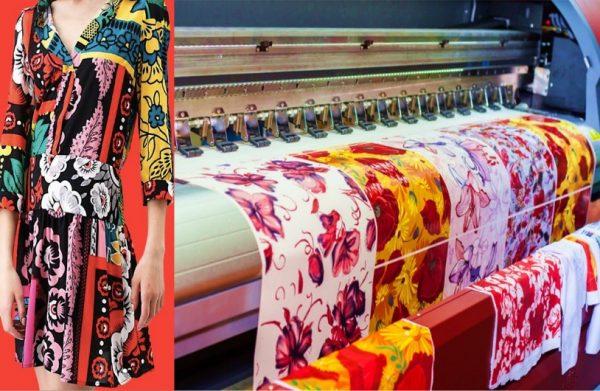
Digital printing on fabric is a modern textile printing process that uses digital artwork and specialized equipment to transfer colors, patterns, images, and graphics onto fabric. A design created on a computer can be sent directly to a textile printer, allowing manufacturers to reproduce detailed visuals without relying entirely on physical screens or engraved rollers.
The growing use of Digital printing on fabric is closely connected to the demand for customization, faster product development, and flexible production quantities. A designer can test a pattern, adjust its colors or scale, and print another sample without rebuilding the entire production setup. This makes digital textile printing useful for fashion, home furnishings, sportswear, soft signage, and personalized products.
What Is Digital Printing on Fabric?
Digital textile printing uses computer-controlled technology to place ink or dye onto specific areas of a textile. In many industrial systems, inkjet print heads release tiny droplets of color according to instructions contained in a digital design file.
These droplets combine to form the finished image. The technology can reproduce photographs, detailed illustrations, gradients, logos, and repeating patterns. Since the artwork is stored digitally, design changes can usually be made by editing the file rather than producing new physical printing components.
The final result depends on more than the printer. Fabric composition, surface texture, ink chemistry, artwork resolution, color management, pre-treatment, and finishing all influence print quality. A high-quality design may still perform poorly if the printing method is not suitable for the selected material.
How the Digital Fabric Printing Process Works
Preparing the Artwork
The process begins with a digital design. This may be a photograph, illustration, logo, repeating pattern, or custom graphic.
The artwork should be created at the correct dimensions and with sufficient resolution for the intended print size. Enlarging a small image too much can reduce sharpness and create visible pixels. Fine lines, small lettering, and detailed pattern elements should also be reviewed before production.
Color preparation is another important step. A computer monitor produces colors through emitted light, while printed fabric reflects light. As a result, colors viewed on a screen may appear different on the finished textile. A physical sample or strike-off is often the most practical way to check the final color.
Selecting the Right Fabric
Different fibers require different printing systems. Cotton, linen, polyester, silk, wool, nylon, and blended fabrics have unique chemical and physical properties.
For example, polyester is commonly printed with disperse dyes and used in dye-sublimation processes. Cotton and linen can be printed with reactive dyes or suitable pigment systems. Silk and wool generally require compatible dye chemistry, while some nylon fabrics may be printed with acid or disperse dye systems.
Fabric construction also affects the appearance of the design. A smooth, tightly woven material may reproduce small details differently from a textured or loosely woven fabric. Weight, absorbency, stretch, and intended use should all be considered.
Pre-Treatment and Printing
Some fabrics require pre-treatment before printing. This preparation can help control ink absorption, reduce unwanted spreading, and support better color development.
The prepared fabric is then fed through the printer. The machine reads the digital artwork and applies color to precise locations. Because the process is digitally controlled, complex illustrations and multicolor designs can be produced without preparing a separate screen for every color.
Proper maintenance is important for consistent results. Print head condition, ink flow, fabric alignment, and machine calibration can all affect sharpness and color consistency.
Fixation and Finishing
After printing, the color may need to be fixed through steaming, curing, heat treatment, or washing. The required method depends on the fabric and ink system.
This stage has a direct effect on durability. Proper fixation helps improve color stability and wash performance. Inadequate finishing can lead to fading, bleeding, or reduced performance during regular use.
Main Types of Digital Textile Printing
Direct-to-Fabric Printing
Direct-to-fabric printing applies ink or dye directly onto the textile. Depending on the material and ink system, the fabric may need pre-treatment before printing and additional processing afterward.
This method is suitable for detailed artwork, decorative textiles, fashion fabrics, and custom patterns.
Dye-Sublimation Printing
Dye-sublimation is primarily used with polyester and compatible coated materials. Heat helps transfer and fix the dye into the material.
It is commonly used for sportswear, flags, soft signage, and promotional displays. The process is particularly suitable for detailed graphics and complex color designs on compatible substrates.
Reactive Dye Printing
Reactive dye systems are commonly used for cellulosic fibers such as cotton and linen. With appropriate processing, the dye forms a bond with compatible fibers, helping provide strong color development and good wash performance.
Acid Dye Printing
Acid dyes are generally used for silk, wool, and certain nylon fabrics. Suitable preparation and fixation are necessary to achieve consistent color and acceptable durability.
Pigment Printing
Pigment inks can be used on a broad range of textile fibers. They generally rely on a binder system to hold the color on the fabric surface.
This versatility can simplify some production workflows. However, the softness, durability, and appearance of the final textile depend on the ink formulation and curing process.
Practical Benefits and Key Insights
Greater Freedom for Designers
Digital printing allows designers to work with complex visuals without reducing a design to a small number of colors. Detailed illustrations, photographs, gradients, and intricate patterns can be reproduced when the artwork and production settings are properly prepared.
For example, a fashion brand can print several color versions of the same floral pattern and compare physical samples before selecting the final design.
Easier Customization
One of the most useful advantages of Digital printing on fabric is personalization. Names, numbers, logos, and individual graphics can be changed directly in the digital artwork.
This makes the process useful for team uniforms, custom clothing, promotional textiles, personalized home décor, and limited-edition collections.
Practical for Short Production Runs
Digital printing can reduce the setup work associated with producing smaller quantities. Businesses can create samples or limited batches without preparing separate screens for every design variation.
This is useful for product testing. A new clothing business, for instance, can print enough fabric for a small collection and assess customer demand before increasing production.
Faster Design Revisions
Designers can modify colors, scale, placement, or other elements directly in the digital file. A revised sample can then be produced without rebuilding physical printing tools.
This can shorten product development and make it easier to respond to customer feedback or changing market requirements.
Support for Demand-Based Production
Digital printing can support smaller batches and customized orders. Producing closer to actual demand may help businesses reduce the risk of carrying large amounts of unsold inventory.
However, the overall efficiency of production also depends on fabric sourcing, energy use, finishing, logistics, and the wider manufacturing process.
Common Applications of Digital Fabric Printing
Fashion and Apparel
Digital printing is used for dresses, shirts, scarves, swimwear, activewear, and other garments. Designers can create original surface patterns and test them on the intended fabric before approving larger quantities.
Home and Interior Textiles
Curtains, cushions, bedding, table linens, and decorative fabrics can be produced with custom colors and patterns. This gives interior designers greater flexibility when matching textiles to a specific project.
Sportswear and Team Clothing
Polyester-based sportswear is commonly produced using digital printing methods. Player names, numbers, logos, and team graphics can be incorporated into customized designs.
Soft Signage and Displays
Fabric banners, exhibition graphics, retail displays, and event backdrops are also common applications. Textile displays can be lightweight and foldable, making them easier to transport and store.
Common Challenges and Considerations
Matching Ink to the Fabric
The selected ink system must be compatible with the textile fiber. An unsuitable combination can result in poor color development, weak durability, unwanted bleeding, or changes in fabric feel.
Confirming the fiber composition before production can prevent costly quality problems.
Managing Color Accuracy
The same digital color may appear different on cotton, polyester, silk, or blended materials. Surface texture, absorbency, lighting, and finishing can also influence color perception.
For this reason, a strike-off or test print is valuable before approving a larger production run.
Comparing Costs at Different Volumes
Digital printing is often practical for samples, customized products, and shorter runs. For very large quantities of a single repeated design, conventional printing methods may sometimes offer a lower cost per unit.
The best option depends on production volume, design complexity, turnaround time, and quality requirements.
Handling Post-Print Processing
Some digital printing methods require steaming, washing, or curing after the design is applied. These stages add time and operational requirements but are often essential for proper color fixation and long-term durability.
Frequently Asked Questions
1. What fabrics can be digitally printed?
Many fabrics can be digitally printed, including cotton, linen, polyester, silk, wool, nylon, and certain blends. The appropriate method depends on the fiber composition and the intended use of the finished textile.
2. Is digital printing on fabric suitable for small orders?
Yes. It is particularly useful for samples, short production runs, and customized products because designs can be changed digitally without extensive physical setup.
3. Can photographs be printed on fabric?
Yes. Digital textile printing can reproduce photographs, illustrations, gradients, and detailed patterns. The source image should have sufficient resolution for the intended print size.
4. How durable is digitally printed fabric?
Durability depends on the fabric, ink or dye, printing method, fixation process, finishing, and care conditions. When compatible materials and proper processing are used, digitally printed textiles can provide good color stability and wash performance.
5. Is digital textile printing environmentally friendly?
Its environmental impact depends on the complete production process. Digital printing can reduce some physical setup requirements and support smaller or demand-based production. However, ink chemistry, energy consumption, water use, pre-treatment, and finishing processes must also be considered.
Conclusion
Digital printing on fabric provides a flexible connection between digital design and textile manufacturing. It allows designers and businesses to produce detailed artwork, customize products, test new ideas, and manage shorter production runs more efficiently.
Successful results depend on understanding the complete workflow. High-quality artwork, suitable fabric selection, compatible inks, careful color testing, and proper finishing all contribute to the final product.
From fashion and interior décor to sportswear and promotional displays, digital textile printing offers practical advantages across many industries. When the printing method is carefully matched to the fabric and intended application, it can produce detailed, customized, and durable textiles while giving manufacturers greater flexibility in design and production.
Bub
Do?

Categorias
Leia Mais
After possibly the most effective efficiency of the young season for the Alabama Crimson Tide 6-3; INTERNET: 10; Kenpom: 10) a week ago against probably the finest group in college basketball, the spirits around the program seems to have actually chosen back up, even despite the loss to Purdue in Toronto. The fellas battled all the time, with ruthless energy and a 'zero-quit' perspective that...

Essential Guide to Stillsuit Tubing Venturing into the arid expanse of Arrakis demands more than mere courage; it requires the right technology. While basic survival gear can be fashioned without it, true mastery of the desert hinges on advanced stillsuits. These sophisticated garments, crucial for enduring the planet's extreme climate, often rely on a specialized component: stillsuit tubing....
Custom Duffel Bag Manufacturer produces spacious, water-resistant duffels for gyms, teams, and lifestyle brands across the USA and UK, featuring reinforced base panels and multiple compartments for organized storage. Adjustable straps and custom embroidery let brands tailor each bag to their exact specifications. Free samples and no strict MOQ make it easy to test designs before...

The Roadmap: How to Actually Get the Gear Follow this progression to gear up efficiently: 1. Levels 1-60: The Campaign & Leveling Goal: Reach Level 60 and complete the Capstone Dungeon to unlock World Tier 3 (Torment I). Gear Source: Use whatever you find. Equip gear with green "up" arrows. Salvage everything at the Blacksmith to build material reserves. Use the...

The flavour capsule cigarette market is undergoing significant changes as manufacturers focus on developing innovative products that respond to evolving consumer preferences. The introduction of capsule technology has transformed traditional cigarette formats by adding interactive features that allow users to control flavor intensity. This development has created new opportunities for tobacco...
