


 Crypto.
 About
About
 Passport
 Conference call
 send money
 Termini e Condizioni
 Privacy
 Sierra market
How Does a Worn Centre Bearing Affect Your Vehicle?
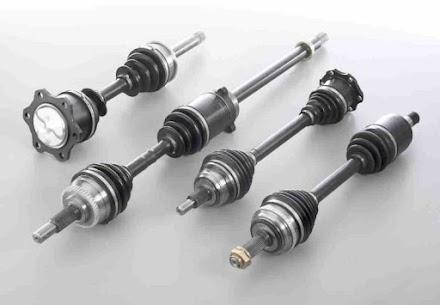
A centre bearing is an important part of the driveline in many vehicles, particularly those with a two-piece tailshaft. Its job is to support the middle section of the shaft and help it rotate smoothly while the vehicle is moving. When the bearing or its surrounding rubber support becomes worn, drivers may notice vibrations, unusual noises or clunking during acceleration.
Because centre bearing problems can affect driveline operation, recognising the warning signs early can help prevent further damage and maintain smooth vehicle performance.
What Is a Centre Bearing?
A centre bearing, sometimes called a carrier bearing, supports a two-piece tailshaft where it is divided into separate sections. The bearing is mounted within a rubber support that helps absorb vibration while keeping the shaft correctly positioned.
During normal driving, the tailshaft rotates at high speed. The centre bearing helps maintain its position and allows smooth rotation. Over time, constant movement, heat, road conditions and general wear can cause the bearing or rubber support to deteriorate.
Once excessive movement develops, the driveline may no longer operate as smoothly as it should.
Vibration During Acceleration
One of the most common signs of a worn centre bearing is vibration, particularly when accelerating.
As engine power is transferred through the tailshaft, a damaged bearing may allow the shaft to move excessively. This movement can create a vibration that may be felt through the floor, seat or body of the vehicle.
The vibration may become more noticeable when accelerating from a low speed or when the vehicle is carrying a heavier load.
However, vibration does not always mean the centre bearing is at fault. Tailshaft balance, universal joints, wheels and other driveline components can create similar symptoms.
Clunking When Taking Off
A worn centre bearing may also contribute to a clunk when the vehicle moves away from a stationary position.
If the bearing support has deteriorated, the tailshaft may have more movement than intended. When the driveline is placed under load, this movement can result in a noticeable knock or clunk.
You may also notice a similar sound when changing between acceleration and deceleration. A professional inspection can help determine whether the centre bearing, universal joints or another driveline component is responsible.
Unusual Driveline Noises
A damaged centre bearing can produce humming, rumbling or other unusual sounds while driving. The noise may change depending on vehicle speed, acceleration or driveline load.
Ignoring these sounds can allow the underlying problem to become worse. As the bearing deteriorates, excessive movement may place additional stress on nearby components.
If you notice a new or persistent driveline noise, it is worth having the vehicle inspected before continuing to drive it extensively.
How It Can Affect the Tailshaft
The centre bearing helps maintain the correct position of the tailshaft. When the bearing support becomes worn, the shaft can move outside its intended operating position.
This can place additional strain on other components, including universal joints and related driveline connections. In some cases, continued operation with excessive movement can lead to more extensive repairs.
Professional tailshaft repairs Melbourne services can help inspect the complete tailshaft assembly rather than focusing only on the centre bearing. This approach can help identify whether other components have also been affected.
Centre Bearing and Tailshaft Balancing
A worn centre bearing and an incorrectly balanced tailshaft can produce similar vibration symptoms. However, they are different problems.
A tailshaft that has become damaged, incorrectly assembled or unbalanced may produce vibration while rotating. A worn centre bearing, on the other hand, may allow excessive movement even when the shaft itself is correctly balanced.
Tailshaft balancing Melbourne services can determine whether balance is contributing to the vibration. A complete driveline inspection can then establish whether the centre bearing or another component requires attention.
Can a Worn Centre Bearing Damage Other Components?
Continuing to drive with a severely worn centre bearing may increase stress on surrounding driveline components.
Excessive shaft movement can affect universal joints, mounting points and other connections. The additional movement may also create vibration and noise that become progressively worse.
This does not mean every worn centre bearing will immediately cause major damage. The severity depends on the vehicle, the amount of wear and how long the problem has been present.
Getting the problem assessed early is generally preferable to waiting until additional symptoms develop.
Signs You Should Look Out For
A centre bearing problem may present itself through several different symptoms. Common warning signs include:
- Vibration during acceleration
- A clunk when taking off
- Humming or rumbling noises
- Vibration through the floor or seat
- Excessive movement from the tailshaft
- Noise when changing between acceleration and deceleration
- Increasing driveline vibration
- Unusual movement underneath the vehicle
Not every vehicle will display all these symptoms. Some problems may initially produce only a mild vibration or occasional noise.
Could CV Components Cause Similar Symptoms?
CV components can also produce vibration or unusual noises, particularly on vehicles that use CV joints as part of their driveline.
A damaged CV boot can allow grease to escape and contaminants to enter the joint. Over time, this can lead to joint wear and symptoms such as clicking or vibration.
If you notice damaged boots or symptoms around the front or rear driveline, CV boots Melbourne specialists can inspect the boots and determine whether the associated CV joints have also been affected.
For worn or noisy joints, CV joints Melbourne services can help assess whether repair or replacement is required.
What About Steering Problems?
Steering components are generally separate from the centre bearing, but drivers sometimes mistake different vibrations or noises for a single problem.
If vibration is mainly felt through the steering wheel, particularly during steering or low-speed manoeuvres, the steering system may need to be inspected.
Worn steering components can create knocking or unusual feedback. If the steering feels loose or unstable, having the system checked is important. Power steering rack Melbourne specialists can inspect the rack and related components where steering issues are suspected.
Should You Continue Driving With a Worn Centre Bearing?
The appropriate response depends on the severity of the problem. A minor issue may initially cause only noise or vibration, but a severely deteriorated centre bearing can allow significant driveline movement.
If the vibration is strong, the noise is getting worse or there is obvious movement underneath the vehicle, it is sensible to have it inspected as soon as possible.
A professional assessment can determine whether the centre bearing can be replaced separately or whether other parts of the tailshaft assembly also require attention.
Why Professional Diagnosis Matters
Several driveline problems can produce very similar symptoms. A vibration could be caused by a centre bearing, universal joint, tailshaft balance issue, CV component or another mechanical fault.
Replacing a component without identifying the actual cause may not resolve the problem. A proper inspection allows the condition of the complete driveline to be considered.
This is particularly important when vibration occurs at specific speeds or only under acceleration, as these details can help identify the source.
Final Thoughts
A worn centre bearing can affect how smoothly your vehicle transfers power to the wheels. Common symptoms include acceleration-related vibration, clunking, unusual noises and excessive tailshaft movement.
Although these symptoms may initially seem minor, continued wear can place additional stress on other driveline components. If you notice persistent vibration or unusual noises, arranging an inspection can help identify the cause before the problem develops further.
Understanding the warning signs and addressing driveline wear early can help maintain smoother, more reliable vehicle operation.
Bub
Do?

Categorie
Leggi tutto
In its debut month, the "Harry Potter" film captivated audiences worldwide, setting new records in sales from the United States to Japan and in its native UK. Industry sources estimate that the movie generated approximately $400 million in combined video sales within the first three weeks, making it likely the highest-grossing video release to date. Interestingly, "Potter" followed an...

Market Overview The Elderly Nutrition Supplement Market is experiencing steady growth as the global population ages and awareness of nutritional needs for seniors increases. Elderly individuals often face unique nutritional challenges, including decreased appetite, impaired absorption, and increased requirements for certain nutrients. Nutrition supplements tailored for older adults...
In der Pokémon TCG Pocket-App könnt ihr regelmäßig kostenlose Gegenstände erhalten, die euch im Spiel Vorteile verschaffen. Manche dieser Geschenke werden auch direkt vom Entwicklerteam verteilt. Aktuell gibt es eine spezielle Aktion, bei der ihr nicht einmal kämpfen müsst, um euch nützliche Items zu sichern. Das Highlight sind die kostenlosen...
Clash of Clans has launched a major update that introduces a variety of gameplay enhancements and rebalancing changes, aiming to shake up the strategic landscape. Among the notable updates is the removal of endgame weapon levels for town halls 12 through 15, which now display a fixed level 1 weapon that retains the highest previous stats, though any ongoing upgrades are canceled without...
While gemstones may not hold the same high value as dolly tickets or dragon crystals in AFK Journey, they remain essential for assembling a strong team. These gems serve as a fundamental resource to recruit powerful heroes by purchasing invite letters, which can significantly enhance your battle lineup. Understanding how to efficiently gather gemstones is crucial for progressing in the game....
