


 Crypto.
 О нас
О нас
 Passport
 Conference call
 send money
 Условия использования
 Конфиденциальность
 Sierra market
Poker Positions: A Complete Guide to Table Position
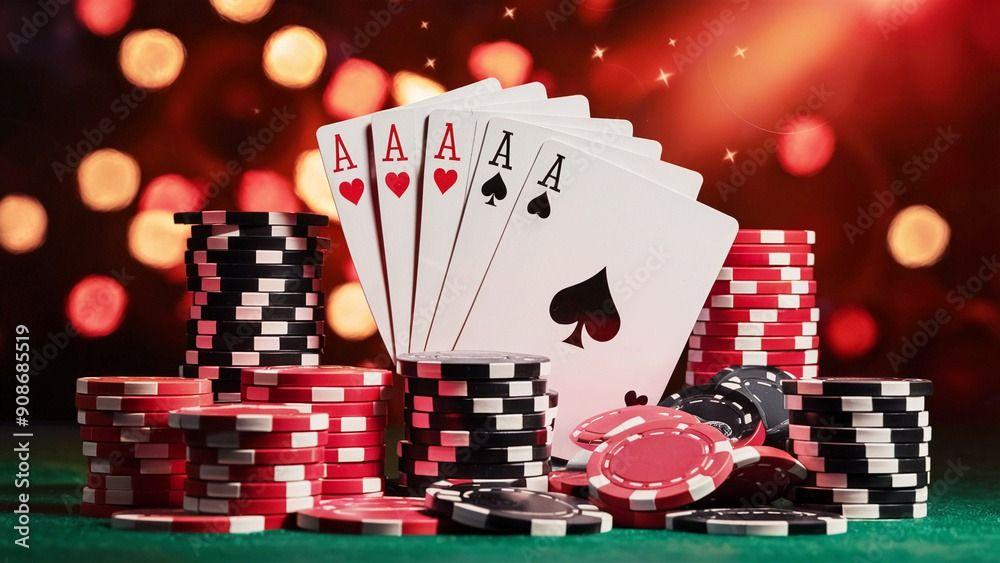
In poker position is one of the most important strategic concepts to understand. Where you sit relative to the dealer button determines when you act during a hand, and acting later can provide valuable information about what your opponents are doing.
Understanding poker positions can help beginners make better decisions and give experienced players another way to evaluate their strategy.
What Are Poker Positions?
Poker positions describe where each player sits around the table in relation to the dealer button. Positions generally fall into three categories:
-
Early position – Players who act early in the betting round.
-
Middle position – Players who act after the early-position players.
-
Late position – Players who act closer to or on the dealer button.
-
Blinds – The small blind and big blind, which have forced bets before the cards are dealt.
The exact names can vary depending on the number of players at the table, but the underlying principle remains the same: acting later usually provides more information.
Early Position
Early position is generally one of the most challenging places to play from.
When you act early, several opponents are still able to make decisions after you. Because you have less information about their intentions, playing too many weak hands can create difficult situations.
Players in early position often benefit from being more selective with their starting hands and considering how the rest of the table may respond.
Middle Position
Middle position provides more information than early position but still has several players acting afterward.
From here, players can often open their range somewhat compared with early position, depending on the table dynamics, stack sizes, and action before them.
However, position alone shouldn't determine every decision. The strength of your hand and the behavior of your opponents still matter.
Late Position
A late position is generally considered more advantageous because you can observe several opponents before making your decision.
The cutoff and button are particularly important positions.
Being on the button means you usually act last after the flop, giving you an informational advantage over opponents who must act before you. This can make the button one of the most strategically valuable seats at a poker table.
Small Blind
The small blind is posted immediately to the left of the dealer button.
Although the small blind acts relatively late before the flop, it usually acts early after the flop. This can make post-flop decisions more difficult.
Players should therefore avoid assuming that being close to the button automatically means every blind situation is favorable.
Big Blind
The big blind is positioned immediately to the left of the small blind and posts the larger forced bet.
The big blind receives the opportunity to defend against certain raises because some chips have already been invested. However, defending too widely can still lead to difficult post-flop situations.
Good decisions depend on factors such as the opponent's raise size, position, hand strength, stack depth, and table dynamics.
Why Poker Position Matters
The biggest advantage of position is information.
When you act after an opponent, you have already seen whether they checked, bet, or raised. That additional information can influence your decision.
For example, a player acting later may have more opportunities to:
-
Control the size of the pot
-
Apply pressure
-
Take advantage of opponent weakness
-
Make better-informed betting decisions
-
Extract value from strong hands
Position doesn't guarantee a winning result, but it can significantly affect strategic decision-making.
Poker Positions and Starting Hands
Your position should influence how you evaluate starting hands.
A hand that might be playable from the button could be much less attractive from early position because more opponents remain to act.
This is why experienced players don't use exactly the same starting-hand strategy from every seat.
A useful approach is to consider the following:
Position + Hand Strength + Opponent Tendencies + Stack Size + Previous Action
Looking at these factors together is more reliable than following a position chart blindly.
Improve Your Poker Knowledge with Playxpedia
Playxpedia provides gaming-focused content designed to help readers explore poker concepts, strategies, trends, and related topics.
If you're learning the fundamentals, understanding poker positions is an important step toward becoming more comfortable with decision-making at the table. For experienced players, revisiting positional strategy can help identify areas where their approach could be improved.
Explore Playxpedia for more poker and gaming content and continue building your knowledge one concept at a time.
Frequently Asked Questions
What is the best position in poker?
The dealer button is generally considered the most advantageous position because you typically act last after the flop.
What are the main poker positions?
The main positions include early position, middle position, late position, small blind, big blind, cutoff, and button, depending on the table format and number of players.
Why is late position important in poker?
A late position allows you to see more actions from your opponents before making your own decision, providing additional information.
Should I play more hands from late position?
Generally, players can consider a wider range of hands from later positions because fewer opponents remain to act. However, the correct range depends on the game, table dynamics, stack sizes, and previous action.
Is position more important than having a strong hand?
Not necessarily. Hand strength remains fundamental, but position can significantly affect how profitable a hand may be in a particular situation.
🔥 Connect With Playxpedia
📘 Facebook: Follow Playxpedia
🎵 TikTok: Follow Playxpedia
📌 Pinterest: Follow Playxpedia
𝕏 X / Twitter: Follow Playxpedia
▶️ YouTube: Subscribe to Playxpedia
Final Thoughts
Understanding poker positions is fundamental to developing a stronger poker strategy. Early positions require greater caution, while later positions can provide more opportunities to use information and apply pressure.
Position isn't a shortcut to winning. Instead, it's one of several factors that should be considered alongside hand strength, betting action, opponents, and stack sizes.
For more poker education, gaming insights, and industry-focused content, keep exploring Playxpedia.
Bub
Do?

Категории
Больше
When hunger strikes and you’re craving something fresh, creamy, and satisfying, searching for the best caesar salad near me is often the quickest way to find a great meal. Caesar salad is a classic favorite made with crisp romaine lettuce, parmesan cheese, crunchy croutons, and rich Caesar dressing. Many restaurants now offer their own unique twist on this timeless dish....

North America Paper Straw Market Size and Forecast The North America Paper Straw Market size was valued at USD 665.68 Million in 2025 and is projected to reach USD 1318.4 Million by 2034, growing at a CAGR of 7.89% during the forecast period (2026-2034). The North America Paper Straw Market represents a significant segment of the global industry, supported by evolving consumer preferences,...

Tired of stuck ranks, wasted chances, and inconsistent matches in EA FC 26? Do you feel like your skill never translates to wins no matter how much you grind? The secret to dominating matches isn't luck or fancy tricks-it's mastering underrated meta mechanics that most players ignore. From precise shooting and smarter defense to cleaner possession play, these five game-changing strategies work...
Market Overview Artificial intelligence and personalized wound healing represent transformative capabilities advancing wound care through intelligent wound assessment, personalized healing protocols, and prediction systems enabling superior healing outcomes and improved patient recovery. The Acute Wound Care Market transformation toward AI and personalization sophistication...

Innovative Band Formation Forget everything you know about forming bands. Building the Band shatters convention by assembling musical superstars... entirely in the dark. No faces, no first impressions, just pure sound. Talented vocalists enter a unique arena, seeking their ultimate musical partners based solely on vocal resonance and creative spark. The gamble is real: contestants choose...
