Crypto.
 Sobre
Sobre
 Passport
 Conference call
 send money
 Termos
 Privacidade
 Sierra market
The Digital Fortress: An Overview of the Global Data Center Security Industry
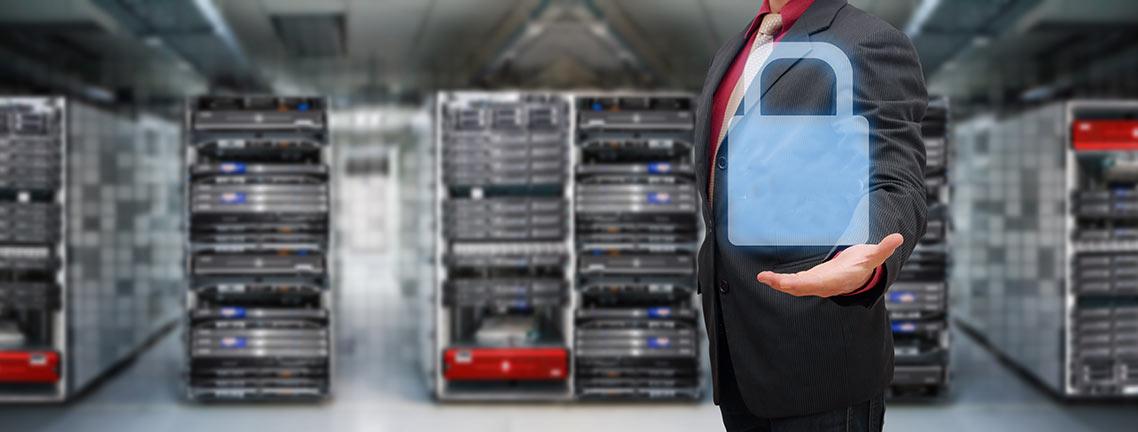
Defining the Guardians of the World's Data
In the digital economy, data centers are the modern equivalent of Fort Knox—highly secure facilities that house the world's most valuable asset: data. Protecting these critical nerve centers from a myriad of threats is the mission of the vast and sophisticated Data Center Security industry. This industry encompasses the comprehensive set of technologies, processes, and services designed to protect a data center's physical infrastructure and the logical (digital) resources within it. It's a multi-faceted discipline that goes far beyond a simple firewall. It involves securing the physical perimeter of the building, controlling access to the server rooms, protecting the network from intrusion, securing the servers and applications, and ensuring the integrity of the data itself. As organizations consolidate their IT infrastructure into centralized data centers and migrate workloads to massive cloud data centers, these facilities have become incredibly high-value targets for cybercriminals, nation-states, and malicious insiders. This has made data center security a top-tier priority and a multi-billion dollar industry, essential for maintaining the trust, integrity, and availability of our entire digital world.
The Two Sides of the Coin: Physical and Logical Security
The data center security industry is fundamentally divided into two main domains: physical security and logical security. Physical security deals with protecting the tangible assets of the data center from real-world threats. This includes measures to protect the physical building and its perimeter, such as fences, gates, vehicle barriers, and 24/7 security guards. It involves sophisticated access control systems, often using multiple factors of authentication like key cards, PIN codes, and biometrics (fingerprint or iris scanners) to ensure that only authorized personnel can enter the sensitive data halls. A critical component is video surveillance, with hundreds of cameras monitoring every corner of the facility. Physical security also extends to environmental protection, including advanced fire detection and suppression systems, and measures to protect against natural disasters. Logical security, on the other hand, deals with protecting the digital assets—the data and applications. This is the realm of cybersecurity, involving technologies like firewalls, intrusion prevention systems (IPS), data encryption, and identity and access management to protect against hacking, malware, and other digital threats. A truly secure data center requires a holistic approach that seamlessly integrates both physical and logical security measures.
On-Premise vs. Cloud: A Shared Responsibility
The data center security industry serves two primary types of environments: the traditional, on-premise enterprise data center and the massive, public cloud data center. For an enterprise managing its own data center, the responsibility for all aspects of security—both physical and logical—lies entirely with them. They must procure, implement, and manage all the necessary security hardware and software. As organizations increasingly move their workloads to the public cloud (run by providers like AWS, Microsoft Azure, and Google Cloud), the security model changes to one of "shared responsibility." In this model, the cloud provider is responsible for the "security of the cloud." This means they are responsible for the physical security of their massive data centers and for securing the underlying infrastructure that runs their cloud services. The customer, however, is responsible for "security in the cloud." This means the customer is responsible for configuring their own virtual networks, managing user access and identities, securing their applications, and encrypting their own data. This shared responsibility model has created a massive new market for cloud security solutions that help customers to fulfill their part of the security obligation in the complex cloud environment.
The Ecosystem of Players: From Security Guards to AI Algorithms
The data center security industry is a diverse ecosystem composed of a wide range of companies and technologies. On the physical security side, the players include the manufacturers of surveillance cameras, access control systems, and biometric scanners, as well as the security services companies that provide the on-site guards. On the logical (cybersecurity) side, the ecosystem is even more complex. It includes the major network security vendors, such as Palo Alto Networks, Fortinet, and Cisco, who provide the powerful firewalls and intrusion prevention systems that protect the data center network. It includes the endpoint security vendors who protect the individual servers from malware. It includes the identity and access management providers who control user permissions. A growing and critical segment is the specialized cloud security vendors who provide tools for securing workloads in AWS and Azure. This ecosystem is not just about technology; it also includes a large number of managed security service providers (MSSPs) and consultants who help organizations to design, implement, and manage their data center security programs, highlighting the blend of technology, process, and human expertise required.
➤ Latest Market Intelligence from Market Research Future:
Bub
Do?

Categorias
Leia Mais
Watch Fight Live on Netflix Netflix will carry the exhibition between Jake Paul and Gervonta “Tank” Davis live from the Kaseya Center in Miami on November 14 — no pay-per-view required, so anyone with a Netflix subscription can watch the main card. If you’re traveling, stuck on a work or school network, or using public Wi‑Fi, a VPN lets you stream the fight from abroad...

A new comedic series is launching on Netflix, focusing on the humorous side of military innovation. The show revolves around the team responsible for establishing a new sixth branch of the armed forces—space force. Leading the project is Steve Carell, who not only stars in the series but also helped create it and will serve as an executive producer. Joining him is Greg Daniels, renowned...
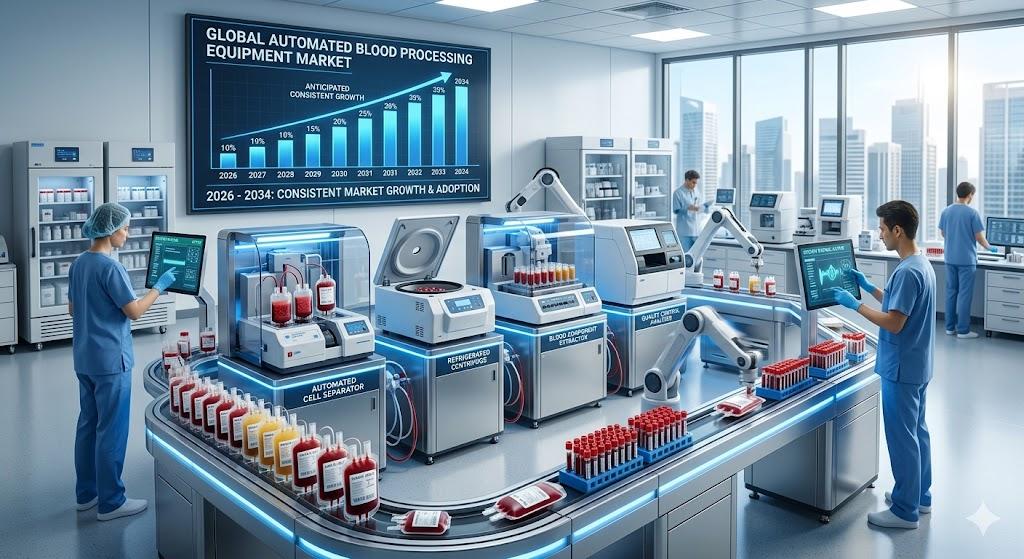
The global healthcare industry is steadily adopting automation technologies to enhance diagnostic efficiency and improve patient care. Automated blood processing equipment has become a key component in modern laboratories, enabling healthcare professionals to process blood samples with greater speed, precision, and reliability. These systems play an essential role in separating blood components...
Healthy, smooth, and fresh skin is a universal desire, yet pimples can disrupt your natural complexion and lower confidence. Understanding the right remedies is essential for achieving lasting results. Professional Pimples Treatment in Riyadh focuses on treating active acne while restoring skin texture, ensuring your face feels soft, smooth, and rejuvenated. With the right approach, you...

While it was a double date, the couples didn't opt for coordinated, matchy outfits. and went for more of an easy breezy vacation vibe: sported a white textured mini dress with heeled mules and a structured top handle bag, while wore a white knit polo shirt, chinos, and white low top sneakers. Her special black and red. It was modeled after herself, naturally. who exclusively creates content and...