


 Crypto.

 Passport
 Conference call
 send money
 الشروط
 الخصوصية
 Sierra market
Precision Farming Boosts Demand for Advanced Sprinkler Irrigation Systems
Agriculture is rapidly moving toward more precise, efficient, and technology-driven production methods as farmers face increasing pressure to optimize resources while maintaining reliable crop output. Water management has become particularly important because irregular rainfall, water scarcity, changing climatic conditions, and increasing agricultural requirements are encouraging growers to adopt more efficient irrigation technologies. Sprinkler irrigation systems are gaining attention in this environment because they provide controlled water distribution and can be adapted to different crops, field sizes, and farming conditions. The technology is becoming an increasingly important component of modern agricultural infrastructure.
The integration of precision water management is creating new possibilities for sprinkler irrigation by combining irrigation equipment with sensors, field information, automated controllers, and data-driven decision-making. Precision-oriented systems allow farmers to focus on applying water according to actual crop and soil requirements rather than relying entirely on fixed schedules. Recent research into digital agriculture highlights variable-rate irrigation, machine learning, artificial intelligence, and smart sensing as important areas for improving agricultural water management.
The growing focus on efficient water application is also changing how farmers evaluate irrigation equipment. Rather than selecting systems only on the basis of initial installation cost, agricultural producers increasingly consider long-term operating efficiency, maintenance requirements, coverage, automation capabilities, and compatibility with farm-management technologies. Sprinkler systems can provide relatively uniform water distribution over cultivated areas, making them useful for crops that require consistent moisture during important growth stages.
Center pivot irrigation is particularly relevant for large agricultural properties. These systems can cover extensive fields while moving around a central point, allowing water to be distributed across large areas. Linear move systems can also support broad field coverage and are suitable for particular field layouts. Static sprinkler systems, meanwhile, provide an alternative for smaller agricultural operations, gardens, landscaping applications, and specialized cultivation environments.
The importance of efficient irrigation is reinforced by developments in the United States. USDA Economic Research Service data indicates that pressurized irrigation systems accounted for 75% of irrigated acreage in Western U.S. states in 2023, up from 69% in 2013. Pressurized systems include sprinkler and micro/drip technologies and generally offer greater efficiency than gravity systems because they can reduce losses associated with runoff, evaporation, and deep percolation.
Automation is another important development. Modern controllers can establish irrigation schedules, coordinate different zones, and interact with environmental sensors. Soil-moisture information can help determine whether additional watering is required, while weather information can support adjustments when rainfall or temperature conditions change. These capabilities can make irrigation more responsive and reduce unnecessary manual intervention.
The increasing use of digital tools is also supporting variable irrigation strategies. Instead of treating an entire field as a uniform area, farmers can increasingly use field-level information to identify differences in soil conditions, crop requirements, and moisture availability. This approach can help direct water toward areas that need it most. Research published in 2026 emphasizes the potential of digital agriculture and variable-rate irrigation for sustainable water management.
Sustainability is therefore becoming a major factor in equipment development. Farmers and agricultural organizations are looking for technologies that can improve resource productivity while supporting long-term farm resilience. The broader movement toward sustainable irrigation also includes renewable energy, efficient pumping equipment, improved piping, monitoring systems, and automated controls. Research into irrigation decarbonization has highlighted opportunities associated with electrification and solar-powered pumping, demonstrating how irrigation is becoming connected with broader energy-management strategies.
Regional opportunities remain diverse. North America benefits from established agricultural infrastructure and technology adoption, while Asia-Pacific is identified by MRFR as an important fast-growing region, supported by agricultural demand and investment in irrigation and landscape solutions.
The competitive landscape includes major companies such as Rain Bird Corporation, Hunter Industries, The Toro Company, Netafim, Jain Irrigation Systems, Valmont Industries, Irritec, Lindsay Corporation, and Aqua-Turf International. These companies operate across different parts of the irrigation ecosystem and continue to develop equipment and technologies designed to improve water distribution and operational efficiency.
Looking ahead, the combination of precision agriculture, connected equipment, water conservation, and automation is expected to influence the evolution of sprinkler irrigation. Farmers are increasingly looking for systems that do more than deliver water; they want technologies capable of supporting informed decisions and improving overall farm efficiency. As precision farming continues to mature, advanced sprinkler systems are likely to remain an important part of the transition toward more sustainable and data-driven agriculture.
FAQs
1. What is precision irrigation?
Precision irrigation is an approach that uses field data, sensors, automation, and irrigation equipment to apply water more accurately according to crop and soil requirements.
2. Why are pressurized irrigation systems becoming more popular?
Pressurized systems can provide controlled water delivery and may reduce losses associated with runoff, evaporation, and deep percolation compared with some gravity-based methods.
3. Can sprinkler irrigation be integrated with precision farming?
Yes. Sprinkler systems can be combined with sensors, automated controllers, weather information, monitoring platforms, and other precision-farming technologies.
Bub
Do?

الأقسام
إقرأ المزيد
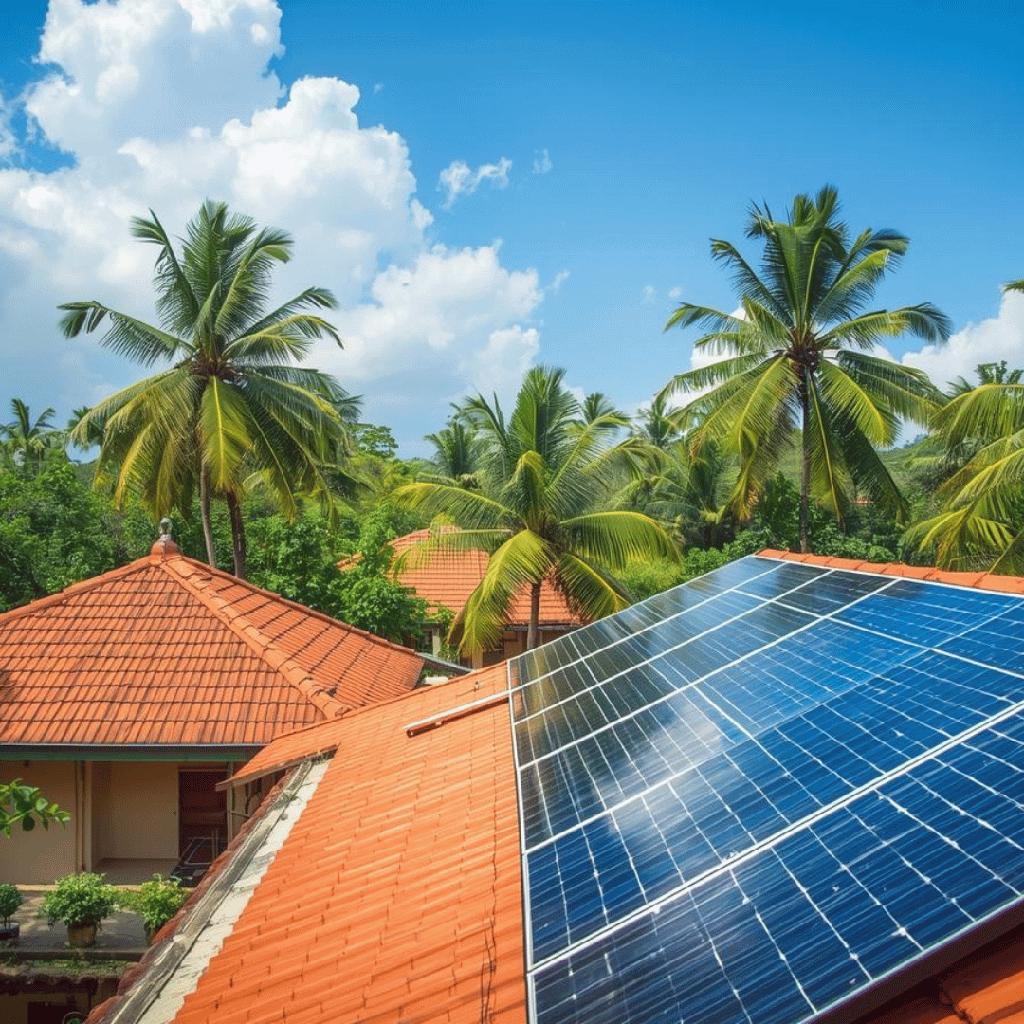
As the demand for renewable energy continues to rise, more homeowners and businesses are turning to solar power to reduce electricity costs and contribute to a cleaner environment. Kerala has become one of India's leading states for solar energy adoption, thanks to abundant sunlight and increasing awareness about sustainable living. Choosing the right solar partner is just as important as...
Most patients are excited about their new contours, but it is important to remember that your skin is not a static material—it is a living organ that needs time to adapt. After the removal of underlying fat, your skin must gradually retract and conform to your new body shape. In younger patients with good skin elasticity, this tightening happens naturally and relatively effectively....

Introduction to Thunderstruck Raphinha The Thunderstruck promotion has just landed, introducing a fresh batch of upgradeable players into the game. At first glance, the stat boosts on offer don’t seem particularly impressive—there aren’t any dramatic upgrades that would usually cause card prices to surge. Ironically, this often means the market reacts in the opposite way,...

Free Fire’s Diwali 2025 event brings you a chance to earn premium rewards without spending a cent. Running from October 20 to October 26, this mission-based event rewards you with a free Magic Cube, a car skin, a skyboard skin, and other items. The key to unlocking everything is achieving Booyahs in CS Ranked matches. Diwali 2025 Mission Rewards To claim the rewards, you need to complete...
Embarking on your adventure in the captivating universe of Duet Night Abyss can initially seem daunting. Its dynamic combat and intricate development mechanics may leave newcomers wondering where to start. Fortunately, Duet Night Abyss stands out from typical action RPGs by eliminating character and weapon gacha elements. This shift ensures that your progress hinges on your skill and strategic...
