


 Crypto.
 Σχετικά
 Passport
 Conference call
 send money
 Όρους
Όρους
 Ιδιωτικότητα
 Sierra market
IV Drip Therapy During Hot Weather: What to Know
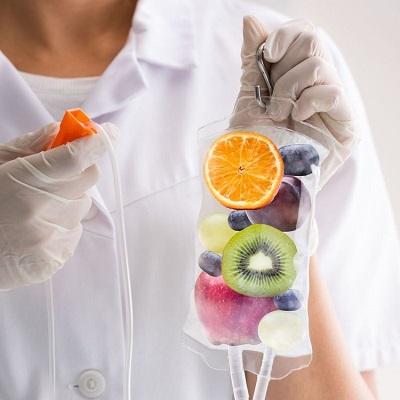
Hot weather can put extra stress on the body. Long hours outdoors, heavy sweating, physical activity, and inadequate fluid intake can all contribute to dehydration and heat-related illness. In warm climates such as Muscat, staying hydrated becomes especially important during the hotter months.
For some people, IV Drip in Muscat may be considered when dehydration or another medical issue requires fluids to be given directly into a vein. However, IV therapy is not automatically necessary every time someone feels tired, thirsty, or overheated. Understanding when IV fluids may be appropriate—and when ordinary drinking fluids are the better choice—can help people make safer decisions.
This guide explains how heat affects hydration, what IV drip therapy involves, when it may be considered, what to expect, and which safety precautions matter.
How Hot Weather Affects Hydration
The body continuously loses water through breathing, sweating, and urination. During hot weather, sweating increases as the body attempts to regulate its temperature. If fluid losses are not adequately replaced, dehydration can develop.
Common signs of dehydration can include thirst, dry mouth, headache, tiredness, dizziness, darker urine, and reduced urination. More significant dehydration may cause weakness, persistent dizziness, confusion, or other concerning symptoms. The CDC recommends staying hydrated during hot weather and notes that symptoms such as heavy sweating, dizziness, headache, nausea, weakness, and muscle cramps can accompany heat-related illness.
People spending considerable time outdoors may be at greater risk, particularly if they work physically, exercise, travel in the heat, or cannot easily access drinking water.
Hydration needs also vary from person to person. Age, activity level, medical conditions, medications, diet, and environmental temperature can all influence how much fluid someone needs.
For everyday hydration, drinking water and other appropriate fluids is generally the first step. The NHS recommends drinking fluids when experiencing dehydration and suggests oral rehydration solutions when substantial fluid and electrolyte losses occur, such as during vomiting or diarrhea.
What Is IV Drip Therapy?
IV, or intravenous, therapy delivers fluids directly into a vein through a small catheter. Depending on the person's medical needs, the IV solution may contain fluids and electrolytes, while other medications or nutrients may sometimes be included under appropriate medical supervision.
One reason IV fluids can be useful in certain situations is that they bypass the digestive system and enter the bloodstream directly. This can be important when a person is unable to drink adequately or needs medical treatment for significant fluid loss.
However, this does not mean that IV therapy is a superior form of hydration for everyone. A person who is mildly thirsty after spending an afternoon outdoors may simply need to move to a cooler environment and drink appropriate fluids. IV treatment should be based on an individual's condition rather than treated as a routine replacement for drinking water.
In other words, the question is not simply whether an IV Drip in Muscat can provide fluids. The more important question is whether intravenous treatment is medically appropriate for that particular person.
When Might an IV Drip Be Considered During Hot Weather?
IV fluids may be considered when dehydration is significant or when drinking fluids is difficult or insufficient. The decision should follow an appropriate health assessment.
Situations that may require medical evaluation include persistent vomiting, severe fluid loss, inability to keep fluids down, significant weakness, or symptoms that do not improve with cooling and oral fluids.
Heat exhaustion can also require medical assessment. Symptoms may include heavy sweating, headache, nausea, dizziness, thirst, weakness, elevated body temperature, and reduced urine output.
In more serious situations, IV fluids may form part of broader medical treatment. Heat stroke, however, is an emergency and should not be managed simply by arranging a wellness IV. Confusion, altered mental status, loss of consciousness, seizures, very high body temperature, or other signs of severe heat illness require urgent medical attention and rapid cooling.
A qualified healthcare professional can determine whether IV fluids are appropriate after considering symptoms, medical history, hydration status, medications, and other relevant factors.
What to Expect From IV Drip Therapy
Before an IV drip is administered, a healthcare professional should ideally assess the person's symptoms and relevant medical history. This may include asking about existing health conditions, medications, allergies, recent fluid losses, and the reason for seeking treatment.
If IV therapy is considered appropriate, a catheter is inserted into a vein, commonly in the arm or hand. The selected fluid is then administered over a period of time while the person is monitored.
The exact fluid and treatment plan depend on the clinical situation. There is no single IV formula that is suitable for everyone.
During treatment, some people may notice mild discomfort when the IV is inserted. The insertion site should be observed for swelling, pain, redness, or other unusual changes.
People should also understand that an IV drip is a medical procedure. Although IV treatment can be useful when medically indicated, it is not completely risk-free. Potential complications can include infection, irritation or inflammation around the vein, fluid-related complications, or reactions to substances added to the infusion.
For this reason, the quality of the products, sterile preparation, appropriate equipment, trained staff, and proper patient assessment are important considerations. Regulatory authorities have raised concerns about risks associated with improperly prepared or compounded IV products, including contamination and incorrect ingredients or concentrations.
IV Drip in Muscat: What Should People Consider?
Anyone considering an IV Drip in Muscat should focus on medical suitability and safety rather than simply choosing an infusion based on the number of ingredients listed on a menu.
A responsible service should begin with an assessment rather than automatically recommending an infusion. The person should be able to ask what the IV contains, why each ingredient is being used, whether it is medically appropriate, and who is responsible for overseeing the treatment.
It is also sensible to disclose existing medical conditions and medications. Certain people may need additional caution with fluid administration, including those with conditions affecting the heart, kidneys, or fluid balance.
Another important consideration is the source and preparation of injectable products. Injectable substances need appropriate quality controls because contamination can have serious consequences. The FDA has recently highlighted adverse events associated with certain improperly compounded injectable products and continues to emphasize the importance of appropriate ingredients and sterile preparation.
People should therefore view IV therapy as a healthcare service, not simply as a convenient wellness treatment.
Staying Hydrated Before and After an IV Drip
An IV drip should not replace sensible everyday hydration habits.
During hot weather, people can reduce dehydration risk by drinking fluids regularly, carrying a water bottle, taking breaks in cooler areas, and limiting prolonged exposure to extreme heat. The CDC also recommends checking urine color as one practical indicator of hydration; light yellow or clear urine generally suggests adequate fluid intake.
People who sweat heavily may also lose electrolytes. Depending on the circumstances, an appropriate oral rehydration solution may be useful, particularly when fluid losses occur through vomiting or diarrhea.
After receiving IV fluids, continuing to follow appropriate hydration and heat-avoidance measures remains important. An infusion does not prevent a person from becoming dehydrated again if they return to intense activity or prolonged heat exposure without replacing ongoing fluid losses.
It is also important not to use IV therapy as a reason to delay emergency treatment. If symptoms suggest heat stroke or another serious medical problem, urgent medical care is more important than seeking a routine hydration service.
Is IV Drip Therapy Right for Everyone?
No. Whether IV therapy is appropriate depends on the person's health status and the reason for treatment.
Someone who is mildly dehydrated and able to drink may not need an IV. Someone who is severely dehydrated, unable to drink, or experiencing significant heat-related symptoms may require professional medical evaluation and potentially intravenous fluids.
People with chronic medical conditions or those taking medications that affect fluid balance should be particularly careful about self-selecting IV treatments. Pregnancy, older age, kidney problems, heart conditions, and other health circumstances may also affect how dehydration and fluid administration should be managed.
The safest approach is individualized assessment. A healthcare professional can determine whether oral hydration is sufficient, whether further investigation is necessary, or whether IV treatment has a role.
Ultimately, IV Drip in Muscat can be part of appropriate medical care for selected situations, but it should not be viewed as a universal solution for ordinary tiredness or routine summer hydration.
Frequently Asked Questions
1. Is an IV drip necessary for ordinary dehydration during hot weather?
Not usually. Mild dehydration can often be managed by moving to a cooler environment and drinking appropriate fluids. Oral rehydration solutions may also be useful when significant amounts of water and electrolytes have been lost. IV fluids are generally considered when a person's condition warrants intravenous treatment or when adequate oral intake is not possible.
2. Can an IV drip help after spending a long time in the heat?
It may help when a healthcare professional determines that intravenous fluids are appropriate, particularly when there is significant dehydration or difficulty drinking. However, simply feeling tired after being outdoors does not automatically mean IV therapy is required.
3. How can someone tell if heat exposure has become serious?
Warning signs can include severe weakness, persistent dizziness, nausea, heavy sweating, reduced urination, confusion, fainting, seizures, or very high body temperature. Confusion, loss of consciousness, seizures, and very high body temperature can indicate heat stroke and require emergency medical care.
4. Is IV therapy safe?
IV therapy can be appropriate when medically indicated and properly administered, but it carries potential risks. These include problems at the insertion site, infection, reactions to administered substances, and complications related to inappropriate fluids or ingredients. Proper patient assessment, sterile technique, and suitable injectable products are important for safety.
5. Can someone drink water after receiving an IV drip?
In many circumstances, normal oral hydration can continue after IV treatment, but the appropriate fluid intake depends on the individual's condition. People should follow the instructions provided by the healthcare professional, particularly if they have a medical condition that affects fluid balance.
6. What should someone ask before getting an IV drip in Muscat?
Useful questions include what the infusion contains, why it is being recommended, whether a health assessment is performed beforehand, who administers the treatment, how the injectable products are sourced and prepared, and what potential side effects or complications should be monitored. These questions can help people make a more informed decision about IV Drip in Muscat.
Hot weather makes hydration an important part of staying healthy, but effective hydration is not always about receiving an IV. Regular fluid intake, sensible heat protection, appropriate nutrition, and recognizing warning signs of heat-related illness remain essential. When dehydration becomes significant or oral fluids are not enough, professional medical assessment can help determine whether IV therapy is appropriate.
Read More About IV Drip: https://tanbat.com/articles/how-to-stay-comfortable-during-an-iv-drip-4335th
Bub
Do?

Κατηγορίες
Διαβάζω περισσότερα
Gaming News & Rewards Discover the exclusive rewards from the latest Genshin Impact broadcast. Unlock in-game bonuses with these special redemption offers. Ensure you claim them promptly before they expire. Stay updated for future events and new content releases. Join the community discussion and share your adventures. Subscribe for more gaming news and direct updates. Step into the...

Coatings are used across industries ranging from automotive and construction to electronics, packaging and industrial manufacturing. As end users demand improved durability, appearance and functional performance, coating formulations are increasingly relying on specialized additives. Coating additives can influence properties such as viscosity, dispersion, surface appearance, adhesion,...

Curious about how much a €100 Steam gift card is worth in Nigerian Naira? You're in the right place. Steam stands as one of the leading digital platforms for video games worldwide. It offers players a seamless experience to buy, play, and share games with friends and family. Beyond games, Steam also provides access to a variety of in-game items, software, and even gaming hardware. Using a...
Unlock special rewards with these AFK Journey codes. Use 'afkj10summon' for 10 tickets to summon heroes. Enter 'journey2yrs' to get epic letters, 10 invites, 3270 diamonds, and gold. Try 'bigcollabcom' for a bonus of diamonds and 20,000 gold. To claim your AFK Journey rewards, navigate to the in-game settings menu. Locate and select the 'Promo Codes' option to open the dedicated redemption...
The Nano Scale Powder Making Machine Market was valued at USD 0.5 billion in 2024 and is projected to reach USD 1.2 billion by 2034, registering a CAGR of 8.5%. This growth trajectory is underpinned by increasing demand for nanomaterials across various industries, including pharmaceuticals, electronics, and materials science. The rise of advanced manufacturing technologies and the growing...
