Crypto.
 Σχετικά
 Passport
 Conference call
 send money
 Όρους
Όρους
 Ιδιωτικότητα
 Sierra market
IV Drip and Fluid Balance: A Simple Guide for Patients
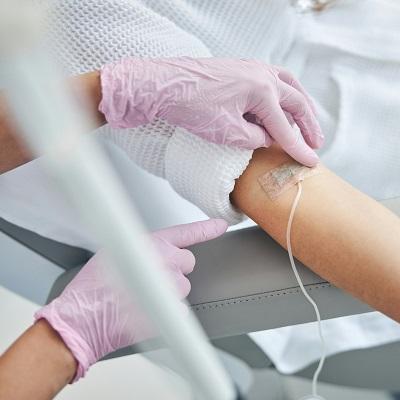
Fluid balance is an important part of everyday health. The human body depends on an appropriate amount of water and electrolytes to support circulation, temperature regulation, digestion, kidney function, and many other essential processes. When the body loses too much fluid or cannot maintain an appropriate balance, symptoms such as thirst, weakness, dizziness, headache, dry mouth, or fatigue may develop.
An intravenous (IV) drip can be used in certain medical situations to deliver fluids directly into a vein. For people researching IV Drip in Oman, understanding how IV fluids work and when they may be appropriate can make the treatment process easier to understand.
IV therapy is not simply a faster way to drink water. Different IV solutions contain different combinations of fluids, electrolytes, medications, or other substances, and the appropriate choice depends on the individual's health needs. Professional assessment is therefore an important part of safe IV treatment.
What Is Fluid Balance and Why Does It Matter?
Fluid balance refers to the relationship between the amount of fluid entering the body and the amount leaving it. The body constantly gains water through drinks, food, and metabolic processes while losing fluid through urine, sweat, breathing, and bowel movements.
Maintaining a healthy balance allows the body's organs and tissues to function normally. Blood volume, for example, depends partly on adequate fluid levels. The kidneys also rely on appropriate hydration to regulate water and electrolyte levels and remove waste products from the body.
Fluid requirements are not identical for everyone. Factors such as age, body size, activity level, weather conditions, illness, medications, and underlying medical conditions can affect fluid needs.
In hot environments, for example, increased sweating can lead to greater fluid loss. This can be especially relevant in Oman, where high temperatures can contribute to increased perspiration and fluid requirements during outdoor activity.
However, too much fluid can also be harmful in certain circumstances. People with some heart, kidney, or liver conditions may need carefully controlled fluid intake. This is one reason why IV fluids should be administered according to professional medical guidance rather than used simply because a person feels tired or thirsty.
How Does an IV Drip Help Restore Fluids?
An IV drip delivers fluid directly into a vein through a small catheter. Because the fluid enters the bloodstream, it does not have to pass through the digestive system first.
Depending on the medical situation, an IV solution may contain water along with electrolytes such as sodium and chloride. Some solutions may contain glucose or other components, while certain IV treatments may include prescribed medications.
The purpose of IV fluid administration varies. It can be used when someone is unable to drink enough, has experienced significant fluid loss, or requires fluid replacement as part of medical care.
For someone considering IV Drip in Oman, the important question is not simply whether IV fluids provide hydration, but whether IV treatment is actually appropriate for that person's condition.
When oral fluids can adequately correct mild dehydration and there is no medical reason to use an IV, drinking fluids may be the more appropriate approach. IV therapy is generally most useful when there is a clinical reason for intravenous administration.
What Can Cause Fluid Imbalance?
Fluid imbalance can occur for many different reasons. One of the most familiar causes is excessive sweating, particularly during hot weather or strenuous exercise. Vomiting and diarrhea can also cause substantial losses of water and electrolytes.
Fever may increase fluid requirements as well. Certain illnesses can affect the body's ability to retain or regulate fluids, while some medications can influence urine production or electrolyte levels.
Other possible causes include:
-
Prolonged physical activity
-
Significant sweating
-
Vomiting or diarrhea
-
Fever
-
Inadequate fluid intake
-
Certain infections or illnesses
-
Excessive fluid loss from burns or other medical conditions
-
Some medications
-
Conditions affecting kidney, heart, or liver function
Signs of mild dehydration may include thirst, dry mouth, darker urine, tiredness, and headache. More serious fluid or electrolyte disturbances can cause confusion, severe weakness, fainting, rapid heartbeat, or other concerning symptoms.
Severe symptoms require prompt medical evaluation rather than relying on a wellness-oriented IV treatment.
When Might IV Fluids Be Recommended?
IV fluids may be considered when oral hydration is insufficient, inappropriate, or difficult. A healthcare professional may recommend intravenous fluids based on symptoms, examination findings, medical history, and sometimes laboratory results.
For example, a person experiencing significant vomiting may struggle to keep fluids down. Someone with substantial fluid loss may also require more controlled replacement. In a hospital or medical setting, IV fluids can form part of treatment for a variety of conditions.
The type and amount of IV fluid matter. Healthcare professionals may consider factors such as blood pressure, kidney function, electrolyte levels, urine output, and the underlying cause of fluid loss when determining an appropriate treatment.
This is particularly important because IV fluid administration is not completely risk-free. Giving too much fluid or using an unsuitable solution can cause complications in vulnerable individuals.
Therefore, people searching for IV Drip in Oman should look for medically appropriate assessment rather than viewing IV therapy as a universal solution for dehydration or low energy.
What Is the Difference Between IV Hydration and Drinking Fluids?
Drinking water and receiving IV fluids both provide the body with fluid, but they work through different routes.
When a person drinks water, it travels through the digestive system before being absorbed into the bloodstream. The kidneys and other regulatory systems then help maintain appropriate fluid and electrolyte levels.
IV fluids bypass the digestive tract and enter the bloodstream directly. This can be useful when rapid or controlled fluid replacement is medically necessary or when a person cannot adequately drink.
However, direct delivery does not automatically make IV therapy better. For ordinary daily hydration, drinking appropriate amounts of fluid is usually sufficient for healthy individuals.
An IV drip should therefore be considered a medical treatment rather than an everyday substitute for drinking water. The right option depends on the person's condition and the reason for fluid imbalance.
How Can Patients Support Healthy Fluid Balance?
Maintaining fluid balance usually begins with everyday habits. Regularly drinking fluids throughout the day can help support normal hydration, especially during periods of increased heat or physical activity.
Eating a varied diet also contributes to fluid intake because many foods contain significant amounts of water. Fruits, vegetables, soups, and other foods can contribute to overall fluid consumption.
During hot weather, people may need to pay closer attention to thirst, sweating, urine color, and other signs of changing hydration status. Physical activity can further increase fluid requirements.
Electrolytes also matter. Sodium, potassium, and other electrolytes help regulate fluid distribution and support normal nerve and muscle function. However, taking large amounts of electrolyte products without a specific need is not necessarily beneficial.
People with chronic medical conditions should follow individualized fluid recommendations. In some cases, drinking excessive amounts of water can be problematic, particularly when the kidneys or other organs cannot effectively regulate fluid levels.
For those considering IV Drip in Oman, discussing regular hydration habits and the underlying reason for seeking IV treatment with a qualified healthcare professional can help determine whether an IV is appropriate.
What Should Patients Expect During an IV Drip Appointment?
An IV appointment generally begins with an assessment. The healthcare professional may ask about symptoms, medical history, medications, allergies, and current fluid intake. Depending on the circumstances, additional evaluation may be appropriate.
If IV treatment is considered suitable, a small catheter is inserted into a vein, commonly in the arm or hand. The prescribed solution is then delivered over a period of time.
The person may remain seated or reclined during the infusion. The IV site should be monitored for discomfort, swelling, redness, or other changes.
Some people tolerate IV treatment without significant discomfort beyond the initial needle insertion. Others may experience temporary sensations or mild irritation around the IV site.
Any unusual or significant symptoms during treatment should be reported promptly. Breathing difficulty, chest discomfort, severe dizziness, swelling, or other serious symptoms require immediate attention.
After the treatment, the person may be advised to continue appropriate oral fluid intake and follow any additional instructions based on the reason for receiving IV therapy.
Is IV Drip Treatment Suitable for Everyone?
IV therapy is not suitable for every person or every situation. A person's medical history can influence whether intravenous fluids are appropriate and which solution should be used.
People with certain kidney, heart, or liver conditions may require particular caution because their bodies may have difficulty handling additional fluid. Electrolyte abnormalities and medication interactions can also affect treatment decisions.
Pregnancy, older age, certain medications, and other health circumstances may require individualized evaluation as well.
Another important consideration is the reason for treatment. Feeling tired does not necessarily mean that a person is dehydrated or needs IV fluids. Fatigue can have many causes, including inadequate sleep, stress, nutritional issues, illness, medication effects, and other medical conditions.
Consequently, IV Drip in Oman should be approached as a treatment that requires appropriate assessment rather than as a routine procedure that everyone needs.
Final Thoughts
Healthy fluid balance plays a fundamental role in the body's normal functioning. While drinking fluids is generally sufficient for everyday hydration, IV fluids can have an important medical role when a person has significant fluid loss, cannot adequately drink, or requires controlled intravenous treatment.
Understanding the difference between routine hydration and medically indicated IV therapy can help patients make informed decisions. Those considering IV Drip in Oman should discuss their symptoms, medical history, medications, and treatment goals with a qualified healthcare professional before receiving an IV.
An appropriately selected IV treatment can be useful in the right circumstances, but it should not replace good hydration habits, balanced nutrition, or proper medical evaluation.
FAQs
1. What is fluid balance in the body?
Fluid balance is the process of maintaining an appropriate relationship between the amount of fluid entering the body and the amount being lost. It helps support circulation, kidney function, temperature regulation, and other essential processes.
2. Does an IV drip hydrate the body faster than drinking water?
IV fluids enter the bloodstream directly, whereas water taken by mouth is absorbed through the digestive system. However, faster delivery does not mean an IV is necessary or better for ordinary hydration. The appropriate method depends on the person's medical circumstances.
3. When might someone need IV fluids?
IV fluids may be considered when significant fluid loss has occurred, oral hydration is inadequate or not possible, or controlled intravenous fluid replacement is medically appropriate. The underlying cause should be assessed before treatment.
4. Can everyone receive IV Drip in Oman?
No. IV treatment is not appropriate for everyone. Certain heart, kidney, liver, electrolyte, or other medical conditions may require special precautions or make particular IV treatments unsuitable.
5. Can an IV drip replace drinking water every day?
Generally, no. Routine hydration for healthy individuals is normally achieved through appropriate food and fluid intake. IV therapy should be reserved for situations where there is a suitable medical or treatment-related reason.
6. What should a patient do if severe dehydration symptoms occur?
Severe symptoms such as fainting, confusion, extreme weakness, inability to keep fluids down, or significant changes in alertness require prompt medical assessment. Emergency medical care may be more appropriate than arranging a routine IV wellness appointment.
Read More About IV Drip: https://tanbat.com/articles/iv-drip-treatment-understanding-cannulas-and-iv-access-mp9ycm
Bub
Do?

Κατηγορίες
Διαβάζω περισσότερα
The single most powerful and transformative trend shaping the global ERP Software Market is the massive and accelerating migration from traditional, on-premise systems to modern, cloud-based Enterprise Resource Planning (ERP) platforms. For decades, ERP was synonymous with a huge, complex, and incredibly expensive on-premise software implementation that required a company to own and...

Netflix's sci-fi series "Another Life" has welcomed four new cast members to its ensemble, with Tyler Hoechlin, Justin Chatwin, Samuel Anderson, and Elizabeth Faith Ludlow all securing roles in the upcoming drama. The series, which received a 10-episode order from Netflix last April, is the brainchild of Aaron Martin, known for his work on "Slasher," "Saving Hope," and "Degrassi: The Next...

Hello Phoxhunters! If you're tackling the Duet Night Abyss (DNA) in the Huaxu: The Wind Awakening update, you'll want to keep an eye on Fushu, as she's creating waves in the current meta. Introduced on December 23, 2025, as a free Hydro support through the immersive theatre, Fushu quickly proved her worth as a formidable T0 asset, especially for sanity regeneration, boosting skill damage, and...
Das Hisui-Zorua-Drop-Event startet am 16. Juli 2026 in Pokémon TCG Pocket und läuft bis zum 26. Juli 2026. Du trittst dabei gegen vier Farblos-CPU-Decks mit steigendem Schwierigkeitsgrad an. Jeder Sieg bringt dich Belohnungen näher – insbesondere das begehrte Promo-Boosterpack Serie B Vol. 10. Promo-Boosterpack und Karten Aus dem Promo-Pack erhältst du eine von...
Gynecomastia, the enlargement of male breast tissue, can affect physical appearance, confidence, and lifestyle. Men seeking a firmer, masculine chest often wonder what the treatment journey entails from consultation to recovery. Understanding the process helps patients make informed decisions and feel confident about their choice. Gynecomastia treatment for men in Riyadh (علاج التثدي عند...