


 Crypto.
 Environ
 Passport
 Conference call
 send money
 Conditions générale de vente
 Confidentialité
 Sierra market
Workday Tenant Access for Students with Hands-On Training and Practice
Workday has become an important enterprise cloud platform for organizations managing human resources, finance, payroll, talent, reporting, and other business functions. For students planning to build a career in Workday, understanding theoretical concepts is only the first step. Practical learning can help students understand how business processes and Workday functionality are applied in real-world scenarios.
This is why workday tenant access for students is a frequently searched topic among learners who want hands-on exposure while preparing for a Workday career.
A Workday tenant is a specific Workday environment used for activities such as implementation, development, testing, training, or production operations. The features and permissions available depend on the purpose of the tenant and the access provided to the user.
What Is Workday Tenant Access?
Workday tenant access means authorized access to a particular Workday environment. Depending on the type of environment, users may be able to perform different activities related to configuration, testing, reporting, business processes, or other Workday functions.
For students, access to an appropriate training environment can make learning more practical. Instead of only reading about Workday features, students can follow guided exercises and understand how different concepts connect.
Common areas students may study include:
-
Workday HCM fundamentals
-
Business processes
-
Organizations and staffing
-
Workday reporting
-
Security concepts
-
Benefits
-
Compensation
-
Recruiting
-
Payroll concepts
-
Workday Finance
-
Integration fundamentals
The exact features available depend on the training environment and permissions assigned.
Why Do Students Need Hands-On Workday Practice?
Workday contains many business processes and concepts that can be difficult to understand through theory alone. Practical training can help students connect concepts with realistic business scenarios.
For example, an HCM student can learn about employee lifecycle processes, organizations, staffing, reporting, and security. A Finance student can study relevant financial processes and reporting concepts.
Hands-on exercises can also help students become familiar with Workday terminology and navigation. This practical familiarity can be useful when preparing for interviews and entry-level Workday roles.
Workday Tenant Access 2026: What Students Should Know
Students searching for workday tenant access 2026 should understand that Workday environments are generally controlled and access is not automatically available to anyone on the internet.
Workday environments may be provided through employers, Workday customers, partners, authorized training programs, or other approved channels. Access levels can vary depending on the environment and the user's role.
Students should avoid websites or individuals offering unauthorized Workday credentials. Using someone else's credentials or attempting to access a private organization’s tenant without permission can create security and privacy concerns.
Instead, students should look for legitimate training opportunities that provide authorized practical learning, guided demonstrations, or suitable practice environments.
How Can Students Get Workday Practical Training?
There are several ways students can develop practical Workday knowledge.
1. Join a Structured Training Program
A structured Workday course can provide a clear learning path from fundamentals to advanced topics. Students can learn concepts in sequence instead of trying to study everything at once.
2. Look for Practical Exercises
Before joining a course, students should ask whether practical exercises, demonstrations, projects, or training-environment access are included.
Practical exercises can help learners understand how Workday concepts are applied in business scenarios.
3. Work on Real-Time Project Scenarios
Project-based learning can make training more relevant. Students can study scenarios involving employee onboarding, organizational changes, reporting requirements, business process approvals, and other Workday activities.
The projects should be designed according to the Workday module being studied.
4. Learn From Experienced Trainers
An experienced trainer can explain not only what a feature does but also why it is used and how it fits into a business process.
This guidance can be especially valuable for students who have limited exposure to enterprise applications.
What Should Students Check Before Choosing a Training Provider?
Students should not select a Workday course only because it promises tenant access. The overall learning experience is important.
Consider the following factors:
-
Live instructor-led classes
-
Practical learning
-
Real-time project scenarios
-
Experienced trainers
-
Module-specific curriculum
-
Interview preparation
-
Certification guidance
-
Resume-building support
-
Career guidance
-
Placement assistance
-
Flexible weekday or weekend batches
Students should also ask how practical access is provided and whether the environment is authorized for training purposes.
Workday Learning Path for Students
A structured learning path can help students build their skills gradually.
Workday Fundamentals → Module Training → Guided Practice → Real-Time Projects → Interview Preparation → Career Development
For HCM learners, the path may focus on HCM fundamentals, business processes, organizations, reporting, security, and other relevant areas.
Finance learners can follow a curriculum focused on Workday Finance and related business processes.
Students should select their learning path according to their career interests and educational background.
Learn Workday with Trainers Squad
Trainers Squad offers career-focused IT training for students, freshers, and working professionals. Workday learners can explore training programs covering HCM, Finance, technical concepts, and techno-functional skills.
The training approach can include live instructor-led sessions, practical learning, real-time project scenarios, expert mentoring, interview preparation, certification guidance, resume support, and placement assistance.
Students interested in practical Workday learning can discuss their preferred module, course structure, and available training resources with the Trainers Squad team before enrolling.
Benefits of Practical Workday Training
Hands-on training can help students develop several useful skills:
Better Concept Understanding: Practical exercises can reinforce theoretical concepts.
Business Process Awareness: Students can understand how different Workday processes are connected.
Technical Confidence: Guided practice can make learners more comfortable with Workday terminology and functionality.
Interview Preparation: Project-based learning can give students practical examples to discuss during interviews.
Career Readiness: Combining concepts, practical exercises, and project scenarios can help students prepare for entry-level Workday opportunities.
Conclusion
Workday tenant access for students can be an important part of practical learning for those planning a career in Workday. However, students should always obtain access through legitimate and authorized channels.
When researching workday tenant access 2026, focus on the quality of training, practical exercises, project-based learning, and guidance provided rather than relying only on tenant access claims.
With structured learning, hands-on practice, real-time project scenarios, and expert guidance, students can develop a stronger foundation in Workday. Trainers Squad can support learners with practical, career-focused Workday training designed to help them build relevant skills for their professional journey.
Bub
Do?

Catégories
Lire la suite
Jared and Jerusha Hess, known for their creative work on projects like "Masterminds" and "The Last Man on Earth," are set to bring a beloved children's novel to life on the big screen. Collaborating closely with author Aaron Blabey, they will adapt his popular book "Thelma the Unicorn" into an animated musical feature for Netflix. The film's creative team includes executive producers Aaron...

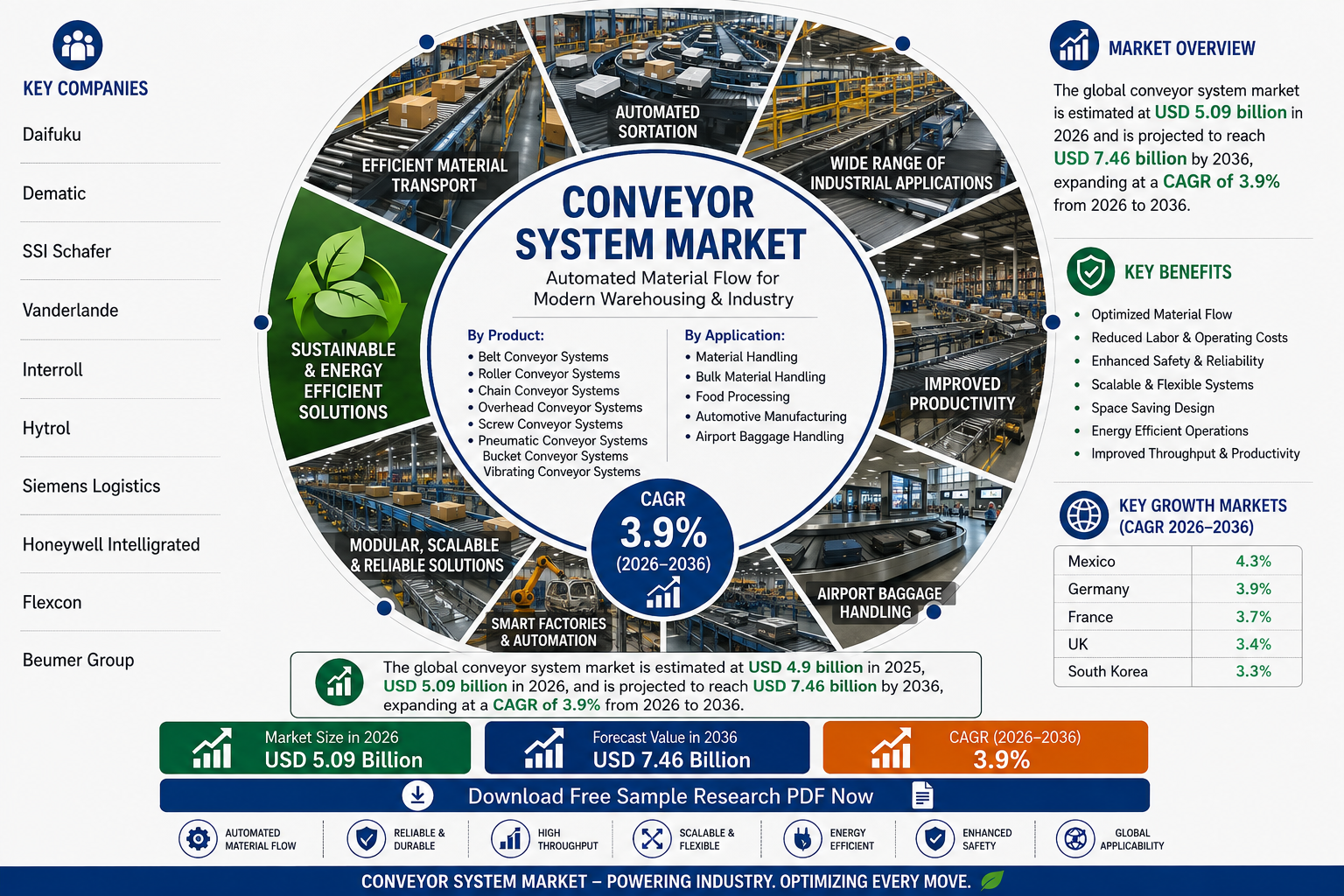
August 24, 2026 — The global conveyor system market is estimated at USD 5.09 billion in 2026 and is projected to reach USD 7.46 billion by 2036, expanding at a 3.9% CAGR during the forecast period, according to Fact.MR. The market was valued at approximately USD 4.9 billion in 2025 and is expected to create an absolute dollar opportunity...
Summer can intensify melasma, causing dark, uneven patches to become more pronounced due to increased sun exposure and heat. Managing melasma during the warmer months requires professional care and preventive strategies to protect the skin and reduce pigmentation. Understanding the causes and available solutions helps individuals maintain a clear, radiant complexion all year round. One of the...

Due to a severe winter storm, Broadway theaters have once again shut down their evening shows, marking the second straight day of cancellations. The snowstorm, which dumped over a foot of snow across New York City, has led to widespread disruptions in the theater district. While Mondays are often dark for some productions, several shows scheduled for Monday evening will not perform tonight....
VALORANT : le nom officiel du FPS de Riot Games enfin dévoilé C’est lors de la célébration des dix ans de League of Legends, en octobre 2019, que Riot Games a officiellement nommé son FPS compétitif jusqu’alors connu sous le nom de Project A : VALORANT. Après des mois de silence quasi total, le studio californien a profité de...
