Crypto.
 About
About
 Passport
 Conference call
 send money
 Termeni
 Confidențialitate
 Sierra market
How Can a Laser Rust Removal Tool Transform Modern Metal Surface Cleaning
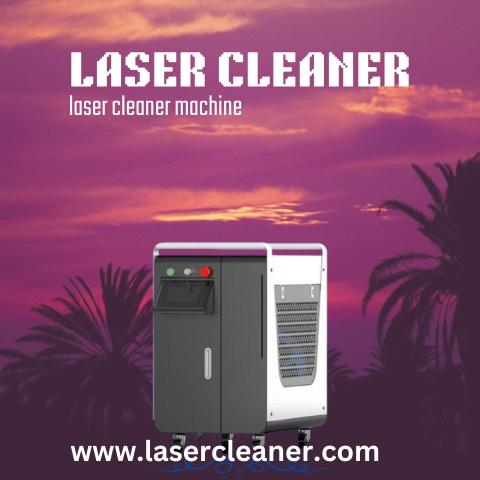
Rust is a common problem for metal surfaces used in manufacturing, construction, automotive work, restoration, and industrial maintenance. When moisture and oxygen react with metal, corrosion gradually develops and can affect the appearance, surface condition, and usability of equipment. Traditional cleaning methods can require considerable manual effort, chemicals, abrasive materials, or repeated processing. Modern laser technology provides another approach through precise surface treatment.
A laser rust removal tool uses concentrated laser energy to interact with unwanted rust and other surface contaminants. By carefully controlling the laser parameters, operators can process corroded areas while maintaining greater control over the underlying metal surface. This technology has become increasingly relevant for workshops and industrial environments looking for cleaner and more controlled methods of corrosion treatment.
What Is a Laser Rust Removal Tool?
A laser rust removal tool is a specialized cleaning system designed to remove rust from metal surfaces using laser energy. Instead of relying primarily on physical contact or chemical solutions, the system directs a laser beam toward the contaminated area.
Rust absorbs the laser energy differently from many underlying metal surfaces. When the correct settings are selected, the laser can loosen and remove corrosion from the surface. The process is controlled through parameters such as laser power, scanning speed, frequency, and beam movement.
Depending on the equipment, laser rust removal can be performed on components ranging from small metal parts to larger industrial structures. Handheld systems are particularly useful when operators need to move around equipment or treat irregularly shaped surfaces.
How Does Laser Rust Removal Work?
The basic process begins by directing the laser toward the rusted area. The concentrated energy interacts with the corrosion layer, causing it to detach from the surface through rapid heating and other physical effects associated with laser cleaning.
The operator normally adjusts the machine according to the material, thickness of the rust, surface condition, and desired cleaning level. A scanning system moves the laser across the treatment area, allowing the operator to process a defined section evenly.
Before treating an important component, it is sensible to conduct a small test on a suitable area. This helps determine appropriate settings and reduces the possibility of unwanted surface effects.
After processing, loose corrosion and removed contaminants can be collected using appropriate workshop cleaning procedures. The exact cleaning result depends on the laser system, material, contamination, and operating parameters.
Where Can a Laser Rust Removal Tool Be Used?
A laser rust removal tool can be applied across many industries where corrosion develops on metal components. Manufacturing facilities may use laser cleaning during equipment maintenance and preparation of metal parts.
Automotive workshops can use laser technology for restoration and treatment of components affected by corrosion. It can also be useful when preparing metal surfaces before welding, coating, painting, or further fabrication.
In construction and heavy industry, corrosion can appear on machinery, structural components, tools, and equipment exposed to demanding environments. Laser cleaning provides a controlled method for addressing localized rust without necessarily treating the entire component.
Restoration work is another area where controlled surface cleaning is important. Metal objects, machinery, historical components, and decorative items may require careful treatment because excessive mechanical abrasion can alter the original surface.
Preparing a Surface Before Laser Cleaning
Proper preparation is an important part of achieving consistent results. Operators should first inspect the metal surface and identify the type and thickness of contamination. Rust may appear alongside paint, oil, dirt, oxidation, or other deposits.
The work area should be kept organized and suitable for laser processing. Appropriate safety procedures and protective equipment should always be followed according to the machine manufacturer's instructions.
The operator should also verify the material being treated. Different metals can respond differently to laser energy, so using settings without considering the material may produce unsatisfactory results.
A small test area can help establish a suitable combination of power, scanning speed, and other parameters before larger-scale processing begins.
Choosing the Right Laser Rust Removal Equipment
Laser rust removal systems are available in different configurations and power levels. The appropriate machine depends on the type of work, size of the components, frequency of use, and level of corrosion encountered.
For maintenance teams that work across different locations, a handheld laser rust removal tool can provide practical mobility. Larger industrial operations may require equipment designed for extended processing and integration into production environments.
Laser source type is another consideration. Fiber laser systems are commonly used for industrial cleaning because they can provide controlled and stable laser output. Power selection should be based on the application rather than simply choosing the highest available power.
The machine's scanning system, control interface, cooling method, working distance, and compatibility with the intended materials should also be considered before purchase.
Laser Rust Removal in Automotive Restoration
Automotive restoration frequently involves components with accumulated rust. Frames, brackets, engine parts, tools, and other metal components can develop corrosion after years of exposure to moisture and environmental conditions.
A laser rust removal tool can be used for targeted cleaning during restoration projects. Because the operator can guide the laser over specific areas, it can be suitable for components with different shapes and localized corrosion.
Before treating valuable or delicate parts, testing should be performed on an appropriate sample or less visible area. The goal is to establish settings that remove unwanted corrosion while maintaining control over the original metal surface.
Preparing Metal for Welding and Coating
Surface preparation plays an important role in fabrication. Rust, oxidation, paint, and other contaminants can interfere with subsequent processes such as welding, painting, and coating.
Laser cleaning can be incorporated into preparation workflows where a clean metal surface is required. By directing the laser over the treatment area, operators can remove unwanted surface contamination before continuing with fabrication.
For welding applications, appropriate preparation can help create a cleaner working surface. For coating and painting operations, removing contamination is an important step before applying the selected finish.
The exact preparation requirements depend on the material and the following manufacturing process, so operators should follow applicable production specifications.
Maintenance and Industrial Applications
Industrial equipment can experience corrosion due to humidity, chemicals, outdoor exposure, and demanding operating conditions. Regular maintenance helps identify corrosion before it develops into a more serious surface problem.
A laser rust removal tool can be incorporated into maintenance procedures for suitable metal components. Handheld systems allow operators to move between equipment and work on specific sections where corrosion has developed.
This approach can be particularly useful for maintenance teams dealing with machinery that cannot easily be transported to a separate cleaning area. Operators can bring the equipment to the component instead of moving every large or heavy part.
Cleaning Settings and Operator Control
Correct parameter selection is central to laser cleaning. Laser power, pulse frequency, scanning speed, focus, and movement pattern can influence the treatment result.
There is no single setting that works for every rust removal application. A thick corrosion layer may require a different approach from light surface oxidation. Similarly, steel, stainless steel, aluminum, and other metals may require different processing conditions.
Building a Modern Rust Removal Workflow
Businesses considering laser cleaning can introduce the technology gradually. Start by identifying the components and applications where corrosion treatment is frequently required. Evaluate the materials, contamination types, working areas, and expected cleaning volume.
Regular maintenance of the laser equipment is also important. Optical components, cooling systems, ventilation arrangements, and other machine elements should be checked according to the manufacturer's recommendations.
Final Thoughts
A laser rust removal tool offers a modern approach to treating corrosion on suitable metal surfaces. From automotive restoration and industrial maintenance to fabrication and surface preparation, laser cleaning can be integrated into a wide range of professional workflows
Bub
Do?

Categorii
Citeste mai mult
Internet slit activities became one of the preferred styles of electric fun, gaining scores of game enthusiasts global. By using many hundreds topics, koitotoadded bonus benefits, plus game play kinds out there, choosing the ultimate recreation is often tricky. This is certainly when a strong internet slit simulation results in being priceless. Your simulation release lets game enthusiasts to...

Mastering the Masters in Kingshot requires a tailored approach. For free-to-play commanders, Pan is often the top choice. His first skill provides additional intel missions, a steady source of resources. His fourth skill, 'Ways and Means', offers mystery badges and free refreshes, unlocking valuable widgets and pet materials. The talent for reserve chests during gathering translates into daily...

The Bangladesh dairy market is entering an important phase of transformation as changing consumer preferences, improving agricultural practices, urbanization, and greater awareness of nutritional foods reshape the dairy industry. Milk has long been an important component of household nutrition, while dairy farming provides income opportunities for farmers and supports employment throughout...
Gift cards have become a practical shopping and gifting tool across South Africa. In Johannesburg, they fit the fast pace of online shopping and digital payments; in Cape Town, they suit fashion, food, travel, and lifestyle spending; while in Durban, Pretoria, and Port Elizabeth, they handle groceries, entertainment, gaming, and everyday essentials. With so many options, knowing which cards...
Epilepsy Market Developments and Technological Innovations The Epilepsy Market Developments reported by MRFR include advancements in anti-epileptic drugs, neurostimulation devices, and digital health solutions. Companies are increasingly adopting technology-driven approaches such as AI-assisted diagnostics and wearable monitoring to enhance patient outcomes. Investment in R&D and...