Crypto.

 Passport
 Conference call
 send money
 الشروط
 الخصوصية
 Sierra market
Modern Fence Design: From Material Selection to User Experience
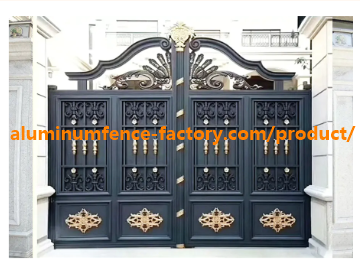
For residential gardens, commercial properties, villas, landscaped areas, and other outdoor environments, choosing a China Fence involves more than comparing different patterns or finishes. The fence needs to work with the surrounding architecture, landscape, access points, and daily activities. Material behavior, structural organization, installation requirements, maintenance, and visual coordination all influence whether a fencing solution feels natural after installation. Yongkang Heqi Industry & Trade Co., Ltd. develops outdoor metal products including aluminum fences, gates, and related architectural products, with product development shaped around different application requirements.
Material selection is one of the first factors to examine. Aluminum is widely considered for outdoor fencing because it combines relatively manageable handling with useful resistance to moisture and surface deterioration. The material can also be formed into different profiles and decorative structures, giving designers flexibility when developing panels, posts, gates, and rails. However, the fence should not be evaluated only by the primary metal. Fasteners, hinges, brackets, connection parts, protective coatings, and decorative components also need to work together so that the complete structure remains visually and functionally consistent.
Surface treatment deserves particular attention when selecting an outdoor fence. The finish affects the visual character of the product while also influencing cleaning and general maintenance. Different environments may call for different surface appearances, from understated finishes that blend into landscaped gardens to more distinctive treatments that complement contemporary architecture. Buyers should therefore consider the relationship between the fence surface, surrounding walls, paving, plants, doors, windows, and other exterior materials before making a final choice.
The purchasing process should begin with the purpose of the fence. A residential customer may want to define a garden, create a clearer entrance, separate different outdoor areas, or establish greater privacy. A commercial property may need fencing to organize visitor areas, walkways, courtyards, or landscaped zones. The intended use can influence the preferred panel arrangement, gate design, access method, and degree of visual openness. Buyers should also consider installation conditions and how the fence will interact with existing structures.
Structural compatibility is another important part of selection. Posts, panels, rails, gates, hinges, latches, and brackets need to form a coordinated system rather than a collection of unrelated components. The connection between each element affects alignment and the overall appearance after installation. A well-planned structure can make assembly more straightforward and help installers understand how individual parts relate to one another. This is particularly useful for projects involving customized fence layouts or coordinated gate and railing designs.
From a functional perspective, a fence has several roles at the same time. It can establish boundaries, guide movement, create visual separation, support privacy, and contribute to the organization of an outdoor space. Gates introduce another layer of functionality because they need to provide convenient access while fitting naturally into the surrounding fence. Hinges, latches, frames, and handles should therefore be considered together rather than selected independently. Good structural coordination can make daily operation more natural and reduce unnecessary adjustments.
Manufacturing technology can support this type of coordinated development. Cutting, forming, welding, drilling, surface finishing, and assembly each contribute to the final structure. Digital design tools can also help manufacturers and customers review panel arrangements, gate concepts, decorative patterns, and connection areas before production. This can make communication clearer when a project requires customized visual details. Yongkang Heqi Industry & Trade Co., Ltd. has been associated with customized aluminum gates, fencing, and railing products, including designs intended for villas, gardens, balconies, and other exterior applications.
User experience becomes particularly noticeable after the fence has been installed. Homeowners interact with gates regularly, while installers need understandable component relationships during assembly. Maintenance personnel may need to inspect surfaces, clean lower sections, adjust hardware, or access connection points. Practical placement of handles, latches, hinges, and other components can make these tasks easier. A fence should therefore be designed not only for its appearance when newly installed but also for the way people will interact with it over time.
Maintenance considerations can influence material and design choices as well. Outdoor fences are exposed to dust, soil, leaves, moisture, and changing weather conditions. Surfaces that are easy to access and clean can make routine care more convenient. Open structural arrangements may also allow maintenance teams to inspect joints and connection areas more easily. When purchasing, it can be useful to ask how the selected materials and finishes are expected to behave within the actual installation environment.
Appearance is an equally important part of modern fence design. Panel spacing, rail direction, post shape, decorative elements, surface texture, and color can significantly change the character of an outdoor space. A simple linear arrangement may complement contemporary architecture, while ornamental details can work with more traditional gardens or villa exteriors. The fence does not need to dominate its surroundings; careful visual coordination can allow it to define the space while maintaining a balanced relationship with buildings and landscaping.
Customization provides additional flexibility for projects with specific architectural requirements. Fence manufacturers may work with customers on panel patterns, gate styles, decorative features, surface finishes, and coordinated outdoor products. This can be particularly useful for property developers, landscape designers, building-material distributors, and businesses developing private-label product ranges. Yongkang Heqi Industry & Trade Co., Ltd. has been listed in connection with customized fencing, gates, and railing products, reflecting the variety of design approaches available for exterior applications.
For buyers evaluating fencing products, looking at material compatibility, structural connections, installation, daily use, maintenance, and visual coordination together can make the purchasing process more practical. These considerations help connect the fence with the architecture and landscape around it instead of treating it as an independent boundary product. More information about Yongkang Heqi Industry & Trade Co., Ltd. and its fence and outdoor metal product range is available at https://www.aluminumfence-factory.com/product/.
Bub
Do?

الأقسام
إقرأ المزيد
Cantarella's Optimal Build Strategies Cantarella stands out as a formidable hero in Wuthering Waves, capable of significantly boosting her team's overall performance. To maximize her potential, players must dedicate considerable resources to her development, particularly focusing on her equipment and build strategy. Her role demands a delicate balance—she needs to deliver high damage...

Earn valuable tokens for the ongoing Star Wars Partners event by participating in the limited-time Way of the Jedi banner. This special event provides a crucial opportunity to collect the resources needed to engage in the main collaboration challenge. Focus your efforts on landing on the designated set tiles scattered across your game boards to accumulate points. You have a 48-hour window to...
Netflix has entered into a comprehensive multi-year agreement with acclaimed showrunner and writer Eric Newman, focusing on series development. This arrangement comes on top of Newman's existing overall feature film partnership with the streaming giant through his production banner Screen Arcade. Newman's portfolio with Netflix includes serving as the creative force behind the hit original...
In a strategic move to enhance mobile entertainment, Netflix has teamed up with the renowned smartphone maker OnePlus, aligning their shared values of community engagement and user-centric innovation. This collaboration aims to elevate the Netflix viewing experience on the highly anticipated OnePlus 7 Pro, known for its stunning HDR display and razor-sharp visuals, setting a new benchmark for...
Building a crypto exchange today is not just a technical challenge it is a strategic business decision that directly impacts how quickly you can enter the market and start generating revenue. Many businesses still assume that even with White Label Crypto Exchange Development, they must go through a long and complex “build from scratch” process. This...