Crypto.
 About
About
 Passport
 Conference call
 send money
 Termeni
 Confidențialitate
 Sierra market
Understanding MINI Timing Chain Replacement: Costs, Warning Signs and Maintenance Tips
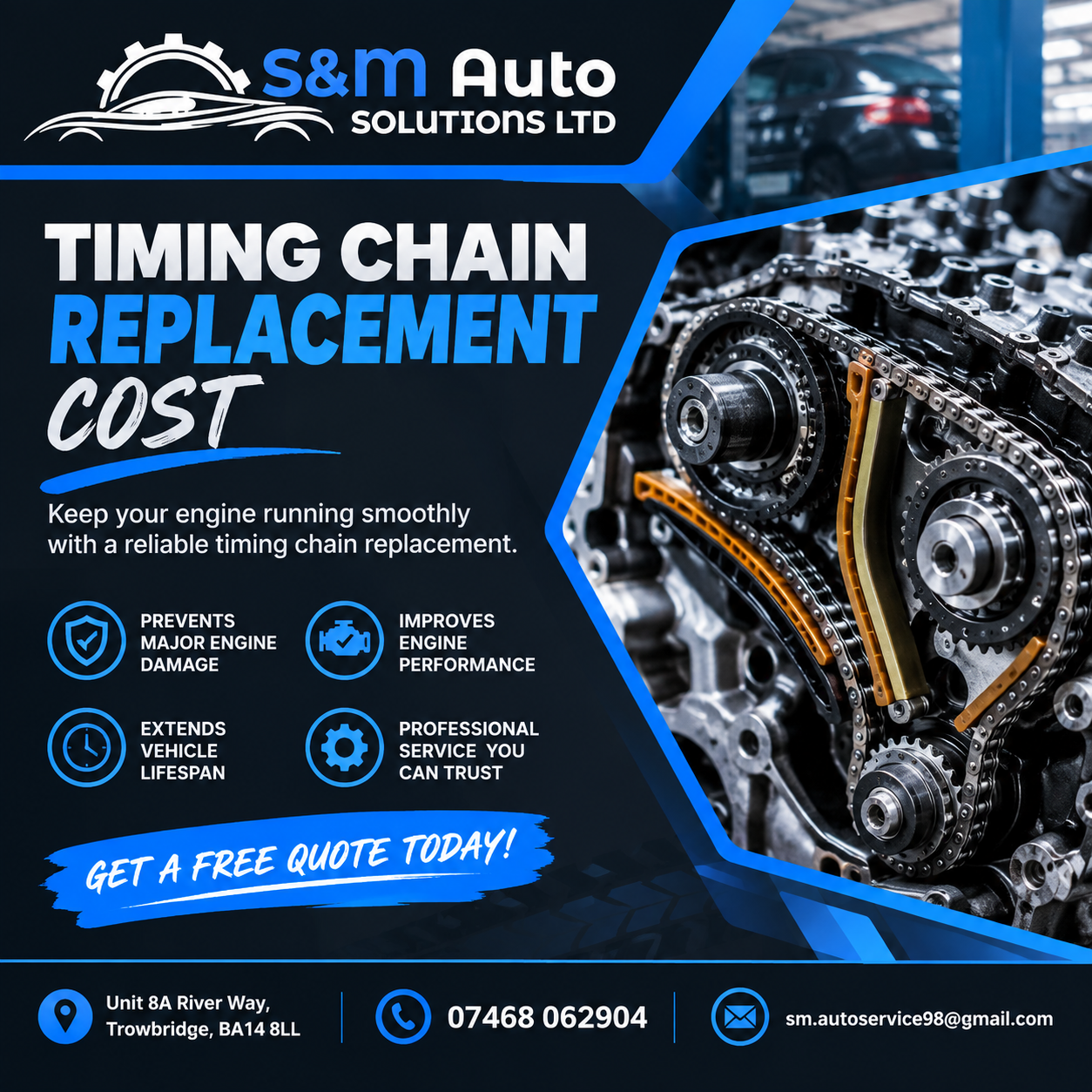
A timing system is one of the most important parts of an internal combustion engine. It controls the relationship between the crankshaft and camshaft, ensuring that valves open and close at the correct moment. When this system becomes worn or damaged, the consequences can range from poor engine performance to serious internal engine damage.
For MINI owners, understanding how the timing system works, recognising early warning signs, and knowing when professional inspection is required can help prevent unexpected repair bills. Whether researching mini timing chain replacement or trying to understand the difference between a timing chain and timing belt, having the right information makes maintenance decisions easier.
How Does the MINI Timing System Work?
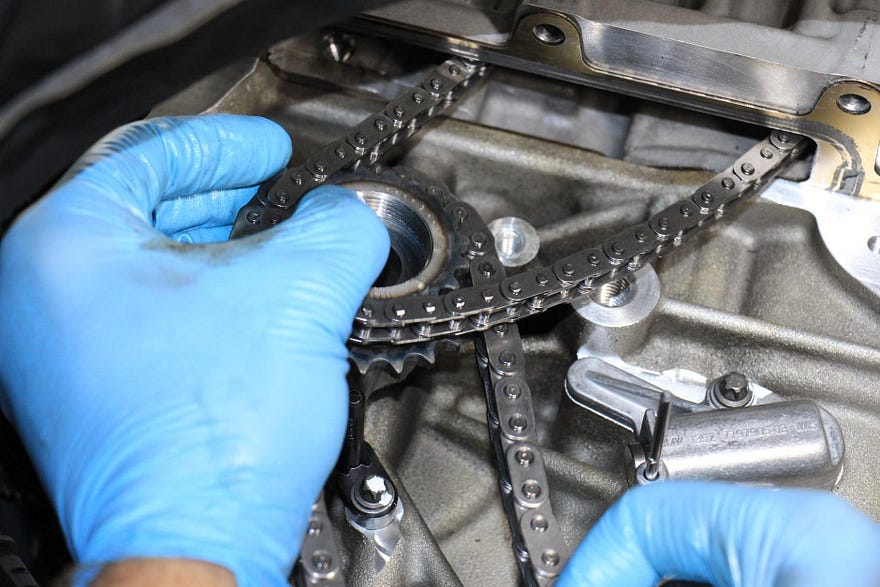
The timing system keeps the engine’s moving components synchronised. A timing chain uses metal links, sprockets and tensioning components to maintain this relationship. Depending on the specific MINI engine and generation, the timing system can differ, so the exact maintenance requirements should always be confirmed against the vehicle’s engine code and service information.

A properly functioning timing chain should maintain accurate timing throughout the engine’s operating range. However, components can gradually wear because of mileage, lubrication conditions, driving patterns and age.
Important parts of the system can include:
- Timing chain
- Chain guides
- Hydraulic or mechanical tensioner
- Camshaft sprockets
- Crankshaft sprocket
- Engine oil and lubrication system
- Related seals and fasteners
A problem with one component can affect the entire timing system. For example, a worn tensioner may allow excessive chain movement, while damaged guides can create debris and reduce the system’s ability to maintain accurate timing.
Common Signs of a Worn Timing Chain
Timing chain problems do not always appear suddenly. In many cases, there are warning signs that deserve investigation before a major failure occurs.
1. Rattling or Metallic Noise
A rattling noise, particularly during cold starting, can indicate excessive movement within the timing system. However, engine noises can have several causes, so a professional diagnosis is important rather than assuming the timing chain is responsible.
2. Difficult Starting
If the timing relationship becomes inaccurate, the engine may struggle to start or take longer than usual to fire. In some cases, incorrect valve timing can also cause rough running.
3. Rough Idling
An engine that develops an unstable idle, hesitation or inconsistent performance may have a timing-related issue. Other possibilities include ignition, fuel, air or sensor problems, which is why diagnostic testing is useful.

4. Engine Warning Light
Modern MINI vehicles monitor various engine parameters electronically. If the engine control system detects a discrepancy between expected camshaft and crankshaft positions, a warning light may appear.
Diagnostic trouble codes can provide useful information, but a code alone does not necessarily identify the failed component. Proper testing is needed to establish the underlying cause.
5. Loss of Engine Performance
Incorrect valve timing can affect combustion efficiency. Drivers may notice reduced acceleration, hesitation or a general loss of smoothness.
These symptoms should not be ignored. A timing issue that begins as a relatively manageable repair can become considerably more complicated if the chain jumps position or fails completely.
MINI Cooper S Timing Chain Replacement: What Owners Should Know
The mini cooper s timing chain replacement process can vary considerably depending on the generation and engine fitted to the vehicle. MINI has used different engines and configurations over the years, meaning there is no single replacement interval, procedure or cost that applies to every MINI Cooper S.
A technician will normally consider factors such as:
- Vehicle age
- Mileage
- Engine specification
- Service history
- Previous timing-system repairs
- Engine oil condition
- Symptoms and diagnostic results
- Condition of the chain, guides and tensioner
When timing chain replacement mini cooper s work is required, replacing only the visibly worn chain may not always be appropriate. The condition of associated components should also be assessed.
For example, if the chain has stretched and the tensioner or guides are also worn, replacing one component without addressing the others may not provide a complete solution.
This is why experienced technicians generally inspect the complete timing system before recommending repairs.

Timing Chain vs Timing Belt on a MINI
One common source of confusion is the difference between a timing chain and a timing belt. Both systems perform the same basic job — keeping the engine’s camshaft and crankshaft synchronised — but their construction and maintenance requirements are different.
A timing belt is generally made from reinforced rubber and requires consideration of age as well as mileage. A timing chain is constructed from metal links and relies heavily on correct lubrication and tension.
This distinction is important when researching timing belt mini cooper maintenance because not every MINI uses the same type of timing system.
Owners should avoid assuming that one MINI model has identical maintenance requirements to another. The engine code, model year and specification are much more useful when identifying the correct service procedure.
What About MINI Cooper Timing Belt Replacement Cost?
Searches for mini cooper timing belt replacement cost can produce widely different figures because repair prices depend on the vehicle, engine, parts required and labour time.
In addition, some MINI models use timing chains rather than conventional timing belts, so it is important to establish which system is actually fitted before comparing prices.

The overall cost of timing-system work can be influenced by:
- Parts quality and specification
- Number of components being replaced
- Labour time
- Engine accessibility
- Additional seals or fasteners
- Condition of surrounding components
- Whether further repairs are required
A cheaper initial estimate is not necessarily comparable with a more comprehensive repair. When comparing quotations, motorists should check exactly what is included.
How to Reduce the Risk of Timing System Problems
Although timing components eventually experience wear, good maintenance practices can reduce avoidable problems.
Follow the Correct Oil Specification
Timing chains and hydraulic tensioners depend on effective engine lubrication. Using the correct oil specification and maintaining appropriate oil-change intervals are therefore important.
Oil that is old, contaminated or unsuitable for the engine can affect lubrication and component performance.
Pay Attention to New Engine Noises
A new rattle, ticking sound or unusual mechanical noise should be investigated rather than dismissed as normal engine behaviour.
Recording when the noise occurs can help a technician. For example, noting whether it happens during cold starting, acceleration or idling can provide useful diagnostic information.

Maintain a Complete Service History
A clear maintenance record helps technicians understand how the vehicle has been maintained and whether previous timing-system work has already been completed.
Service documentation can also help when buying or selling a used MINI.
Investigate Warning Lights Promptly
An engine warning light does not automatically mean that the timing chain has failed. Nevertheless, it should be diagnosed rather than ignored.
Early diagnosis can sometimes identify a developing issue before it causes secondary engine damage.
Choosing a Professional Timing-System Inspection
Timing-system repairs require accurate procedures because the crankshaft and camshafts must be correctly positioned. Incorrect timing during reassembly can cause poor engine performance or, in severe cases, internal engine damage.
For this reason, timing work is generally better suited to technicians with the appropriate tools, technical information and experience with the relevant engine.
For MINI owners researching mini cooper timing chain replacement, a useful first step is to provide the technician with the vehicle registration, mileage, engine details and a description of any symptoms.
A specialist service provider such as S&M Auto Service can be used as a reference point when researching MINI timing-chain repair and the factors that can influence replacement requirements.
Final Thoughts
Timing-system maintenance is an important part of long-term engine care. Whether a MINI uses a timing chain or timing belt, understanding the vehicle’s specific engine configuration is essential before making maintenance decisions.
Unusual rattling, difficult starting, rough running, warning lights or changes in engine performance should be investigated promptly. Regular servicing, correct engine oil and professional diagnosis can help identify problems before they develop into more extensive failures.
Most importantly, there is no universal answer to timing-system replacement for every MINI. Engine type, model year, mileage, service history and component condition all need to be considered. Taking a diagnostic approach rather than relying solely on mileage or generic online cost estimates gives vehicle owners a clearer understanding of what their MINI actually requires.
Read More :
- https://ulvixo.com/understanding-clutch-repair-and-replacement-a-practical-guide-for-uk-drivers/
https://adipala.com/blogs/16144/Wet-Timing-Belt-Replacement-Costs-Warning-Signs-and-Maintenance-Guide
https://daren339977.59bloggers.com/43021688/why-regular-car-diagnostics-matter-for-modern-vehicles
https://daren33997.aboutyoublog.com/354005/why-regular-car-diagnostics-matter-for-modern-vehicles
https://bondhusova.com/blogs/477920/Wet-Timing-Belt-Replacement-Costs-Process-and-Practical-Maintenance-Advice
https://pencraftednews.com/https-www-smautoservice-co-uk-affordable-pre-mot-check-trowbridge/
Bub
Do?

Categorii
Citeste mai mult
Butuh teks kosong untuk keperluan copy-paste di media sosial, aplikasi perpesanan, atau pengujian sistem? Anda berada di tempat yang tepat. Layanan kami menyediakan karakter khusus yang tidak terlihat oleh mata manusia namun terbaca oleh sistem sebagai teks, memungkinkan Anda untuk mengirim pesan kosong, membuat nama profil yang tidak terlihat, atau memformat kolom input sesuai kebutuhan Anda.

In the vast, irradiated landscape of Fallout 76 Items, survival is measured not just in purified water and radiation pills, but in creative expression. While the overarching narrative involves thwarting cryptid threats and navigating faction politics, a significant portion of the player's journey is dedicated to a more personal endeavor: construction. The C.A.M.P. system, an acronym for...
The community's tribute to Blade in Marvel Rivals was a poignant display of collective sentiment. Players organized a heartfelt in-game memorial, gathering on the Warrior Falls map to honor the character. Attendees delivered eulogies, expressing frustration over perceived prolonged neglect in game balance. One speaker highlighted the irony of celebrating a hero who felt consistently...
Introduction When it comes to fashion that makes a statement, Chrome Hearts is a name that often comes up. Known for its bold designs and detailed work, Chrome Hearts has earned a loyal following around the world. But with many imitations circulating, it’s important to know how to spot real quality when choosing your next piece. This guide will help you understand what makes Chrome...

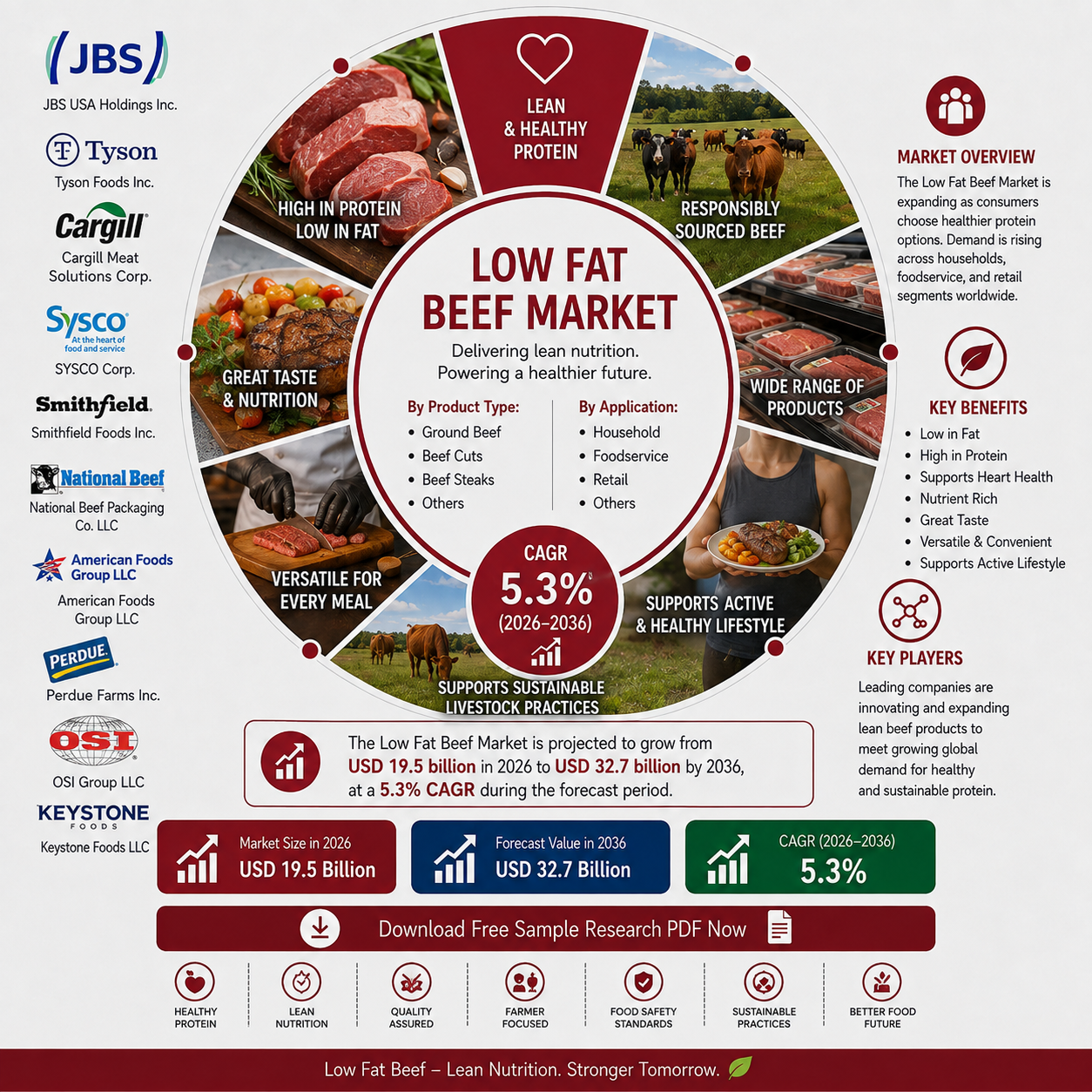
August 20, 2026 — The global low fat beef market is estimated at USD 19.5 billion in 2026 and is projected to reach USD 32.7 billion by 2036, expanding at a 5.3% CAGR from 2026 to 2036, according to Fact.MR. Demand is being supported by changing consumer preferences for lean, high-protein meat. Fact.MR says health-conscious buyers are increasing demand...