


 Crypto.
 About
About
 Passport
 Conference call
 send money
 Termini e Condizioni
 Privacy
 Sierra market
Can Weight Loss Injections Be Used During Pregnancy?
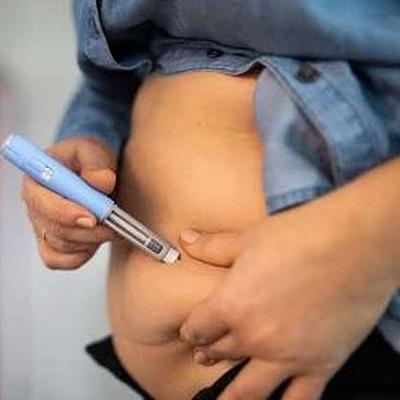
Pregnancy is a time when nutrition, healthy weight gain, and medication safety become especially important. For people who have been using weight loss injections before becoming pregnant, or who are considering them while trying to lose weight, one of the most common questions is whether these treatments can safely be continued during pregnancy.
The short answer is weight loss injections are generally not recommended during pregnancy. Medications used specifically for weight management are intended to support weight reduction, while pregnancy requires adequate nutrition and appropriate maternal weight gain to support fetal development. Some commonly used weight loss injections also do not have enough safety data in pregnant people to establish that they are safe.
Anyone who becomes pregnant while taking a Weight Loss Injections should contact their pregnancy-care professional promptly rather than making medication decisions independently. The appropriate next step can depend on the specific medication, dose, timing of exposure, medical history, and stage of pregnancy.
What Are Weight Loss Injections?
Weight loss injections are prescription medications used to help certain people manage obesity or excess body weight. Many belong to a group of medicines that influence appetite, digestion, and blood-sugar regulation.
Some widely used medications work through pathways involving hormones such as glucagon-like peptide-1 (GLP-1). Depending on the specific medication, they may help reduce hunger, increase feelings of fullness, slow stomach emptying, and improve blood-sugar control.
Weight loss injections can be effective for eligible patients when used alongside dietary and lifestyle changes. However, effectiveness for weight management does not automatically mean that a medication is appropriate during every stage of life.
Pregnancy is one of the situations where the risk-benefit calculation changes considerably. Instead of intentionally reducing body weight, the focus generally shifts toward supporting maternal health, adequate nutrition, and healthy fetal development.
Why Are Weight Loss Injections Generally Avoided During Pregnancy?
There are several reasons healthcare professionals generally advise against using weight loss injections during pregnancy.
First, intentional weight loss is usually not the goal during pregnancy. Depending on a person's pre-pregnancy body mass index and individual circumstances, some weight gain is normally expected as pregnancy progresses. The recommended amount can vary from person to person.
Second, many weight loss medications have not been adequately studied in pregnant humans. Without sufficient clinical evidence, it is difficult to determine whether exposure could affect fetal development.
Another concern is that weight loss injections can reduce appetite and food intake. During pregnancy, obtaining sufficient nutrients is important for both the pregnant person and developing baby. A medication that significantly suppresses appetite may make adequate nutritional intake more difficult.
Some medications may also cause side effects such as nausea, vomiting, diarrhea, constipation, or reduced appetite. Persistent vomiting or poor food and fluid intake can become particularly concerning during pregnancy because dehydration and inadequate nutrition may affect maternal wellbeing.
For these reasons, pregnancy is generally considered a time to reassess weight-management medication rather than continue treatment automatically.
What If Someone Becomes Pregnant While Using Weight Loss Injections?
Discovering a pregnancy after taking weight loss injections can understandably cause anxiety. However, exposure does not automatically mean that harm has occurred.
The most important step is to contact a qualified healthcare professional and provide accurate information about the medication. This may include the medication's name, dose, frequency, and the date of the last injection.
The healthcare professional can then determine whether the medication should be stopped and whether additional monitoring is appropriate.
People should not attempt to compensate for a medication exposure by changing their diet drastically, taking additional supplements, or using other medicines without professional guidance.
It is also useful to remember that medication exposure before a pregnancy is recognized is different from knowingly continuing a medication throughout pregnancy. The timing of exposure can matter when healthcare professionals assess potential risks.
Anyone who has recently discovered a pregnancy while using a weight loss injection should therefore focus on obtaining individualized medical advice rather than assuming the worst.
Can Weight Loss Injections Affect the Baby?
The answer depends on the particular medication, and available evidence varies.
One of the major challenges is that pregnant people are generally excluded from clinical trials of new medications when there is potential concern about fetal safety. As a result, there may be limited human pregnancy data for some weight loss injections.
Animal studies may provide information about possible reproductive or developmental effects, but findings in animals cannot always predict exactly what will happen in humans.
This uncertainty is one reason healthcare professionals generally take a cautious approach to weight loss medications during pregnancy.
It is important not to interpret limited evidence as proof that a medication definitely causes birth defects or other complications. Rather, the available information may simply be insufficient to establish safety.
A pregnancy-care professional can consider the available evidence for the particular medication and determine whether any additional prenatal assessment is appropriate.
What About Weight Loss Injections While Trying to Conceive?
People who are planning a pregnancy should discuss weight loss injections with their healthcare professional before attempting to conceive.
Some medications can remain in the body for a considerable period after the final dose. Therefore, simply stopping an injection immediately before conception may not always mean that there is no medication exposure afterward.
The appropriate waiting period can differ depending on the specific medication because different drugs have different pharmacological properties.
This is why people should avoid relying on a general rule found online. The medication's prescribing information and individualized medical advice are more appropriate sources for determining when treatment should be discontinued before pregnancy.
For someone actively planning a pregnancy, this conversation can also be an opportunity to review other medications, nutritional needs, folic acid supplementation, existing medical conditions, and healthy lifestyle habits.
Is It Safe to Lose Weight Naturally During Pregnancy?
Pregnancy is generally not the time for an intentional weight-loss program unless a healthcare professional specifically recommends an individualized approach for medical reasons.
A healthy pregnancy involves appropriate nutrition, regular prenatal care, and monitoring of weight gain rather than simply trying to keep the number on the scale as low as possible.
A balanced eating pattern can include vegetables, fruits, whole grains, protein-rich foods, healthy fats, and appropriate amounts of dairy or other nutrient-rich alternatives. Physical activity may also be beneficial for many pregnant people, although the appropriate type and intensity depend on individual circumstances.
Someone who begins pregnancy at a higher weight may have different recommended weight-gain targets than someone who begins pregnancy at a lower weight. The goal is not necessarily the same amount of weight gain for everyone.
A healthcare professional can help establish an appropriate pregnancy weight-management plan based on pre-pregnancy weight, overall health, pregnancy stage, and other relevant factors.
What Happens After Pregnancy?
After delivery, the question of whether weight loss injections are appropriate can be reconsidered.
However, postpartum treatment involves additional considerations, particularly if the parent is breastfeeding. Medication safety during breastfeeding can differ from pregnancy safety, and the amount of available evidence can vary substantially between medications.
The postpartum period also involves major physical and emotional changes. Recovery from childbirth, sleep disruption, nutritional needs, breastfeeding, and overall health should all be considered before starting or restarting a weight-loss medication.
For some people, lifestyle measures may be the initial focus. Others may eventually benefit from prescription weight-management treatment when it is medically appropriate.
The decision should be individualized rather than based solely on how quickly someone wants to lose pregnancy weight.
Frequently Asked Questions
1. Can weight loss injections be used during pregnancy?
Weight loss injections are generally not recommended during pregnancy. Many have insufficient pregnancy safety data, and intentional weight loss is usually not the objective during pregnancy. Anyone taking one who becomes pregnant should contact a healthcare professional for individualized advice.
2. What should someone do if they become pregnant while taking a weight loss injection?
They should contact their healthcare professional as soon as reasonably possible and provide the medication name, dose, and timing of recent injections. They should not make additional medication changes or take other treatments without appropriate medical guidance.
3. Can weight loss injections cause birth defects?
There is not enough evidence to conclude that every weight loss injection causes birth defects. Safety information differs between medications, and human pregnancy data may be limited. A healthcare professional can assess the specific medication and exposure.
4. Can someone use weight loss injections while trying to get pregnant?
People planning pregnancy should discuss their weight loss medication with a healthcare professional beforehand. Some medications may require a period of discontinuation before conception, depending on the specific drug.
5. Can weight loss injections be used while breastfeeding?
The answer depends on the specific medication and available evidence regarding breastfeeding. Anyone considering restarting weight loss injections after childbirth should discuss the treatment with a healthcare professional, especially if breastfeeding.
6. Is intentional weight loss recommended during pregnancy?
Generally, pregnancy is not a time for an intentional weight-loss program. Appropriate weight gain varies according to factors such as pre-pregnancy weight and individual health. A pregnancy-care professional can provide personalized guidance on nutrition, physical activity, and healthy weight gain.
Final Thoughts
Weight loss injections can be useful medical treatments for eligible people, but pregnancy is a different situation in which medication safety and nutritional needs take priority. Because many weight loss injections have limited pregnancy safety information and are designed to promote weight reduction, they are generally avoided during pregnancy.
Anyone who is pregnant, planning pregnancy, or breastfeeding and considering weight loss injections should discuss the treatment with a qualified healthcare professional. If pregnancy occurs unexpectedly while someone is taking an injection, there is no reason to panic, but prompt professional advice is important.
The safest approach is to consider the exact medication, timing of exposure, individual health circumstances, and pregnancy stage rather than relying on general assumptions about all weight loss injections.
Read More About Weight Loss Injections: https://tanbat.com/articles/what-results-should-you-expect-from-weight-loss-injections-nwtmd2
Bub
Do?

Categorie
Leggi tutto
Introduction The demand for Swimming pool construction in India has grown significantly in recent years as homeowners increasingly seek to enhance their living spaces with modern, functional, and luxurious outdoor amenities. A swimming pool is no longer considered a feature reserved only for luxury resorts or large estates. Today, homeowners across urban and suburban areas are investing...

Вчера прошла специальная предпремьерная трансляция перед релизом NTE: Neverness to Everness, где показали многое из того, что попадет в версию 1.0. Игровой мир — открытый мегаполис для свободного исследования: уличные районы, скрытые локации и возможности кастомизации транспорта с переключением на вид от первого лица за рулем. Игрокам дадут покупать жильё с «аномальной»...

The first few warm days of spring always trigger a massive wave of outdoor productivity. Homeowners rush to the local garden centre, filling their cars with shovels, automatic sprinkler kits, heavy stone pavers, and aggressive new shrubs. There is a deep satisfaction in transforming a plain patch of grass into an intricate floral display or a highly functional vegetable garden. The problem is...

A new initiative emerges for safeguarding digital identities from the earliest age ' Proton's 'Born Private' program enables families to secure a privacy-centric email address for future use ' This move directly responds to concerns over data collection by mainstream platforms on young users ' Early email accounts often become lifelong digital identifiers, linking activities across decades of...
Stranger Things Latest Updates In Hawkins, Indiana a girl with extraordinary abilities emerged from hiding pursued by shadowy government agents Her discovery by three determined youths came during their relentless quest for their vanished friend Will Byers Known only as Eleven she wielded powers beyond imagination to aid their desperate search This pivotal 1983 mystery continues in Stranger...
