


 Crypto.
 About
About
 Passport
 Conference call
 send money
 Termini e Condizioni
 Privacy
 Sierra market
I Kept Coming Back to PokéRogue: The “Just One More Run” Story
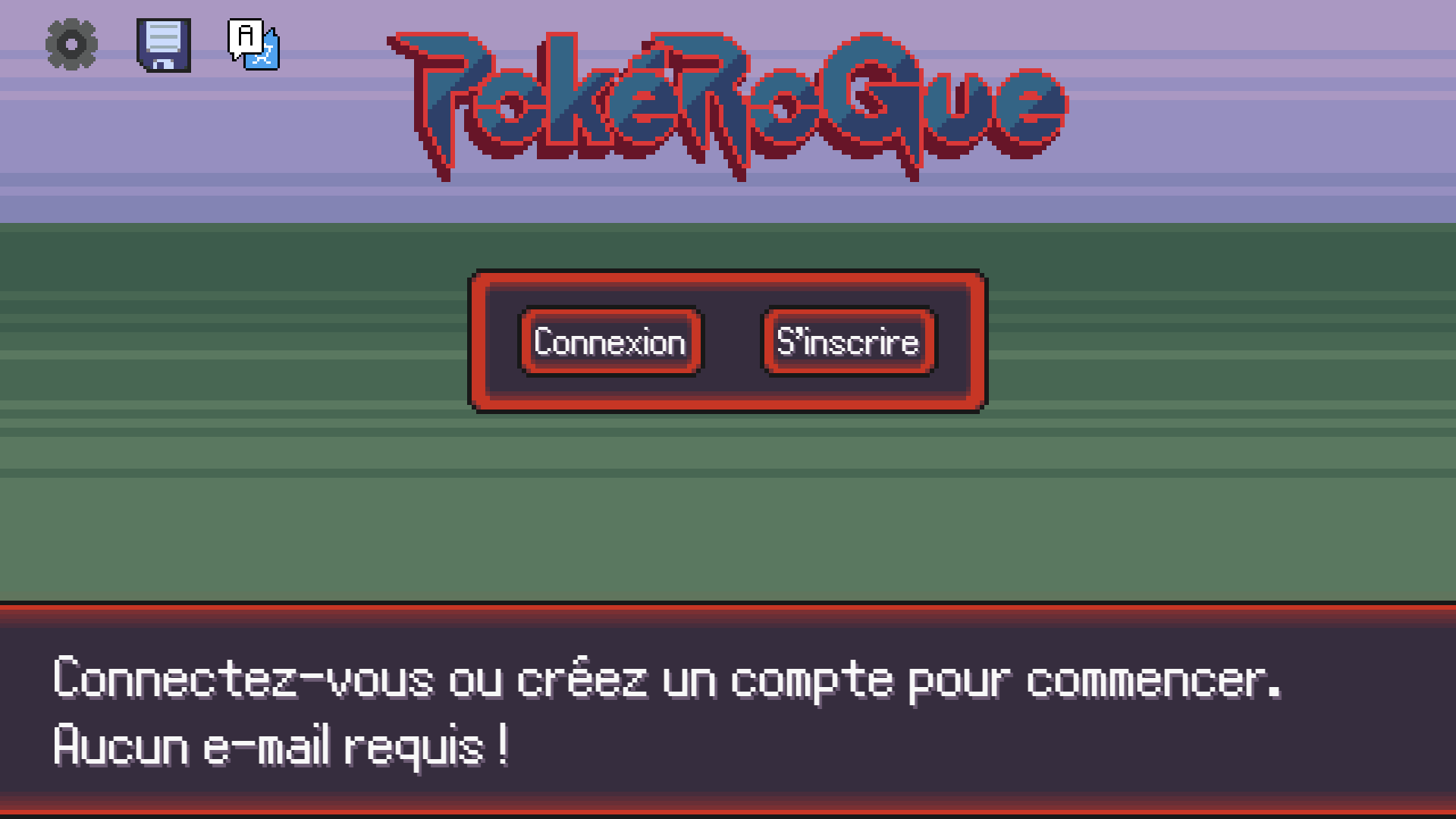
I honestly didn’t expect Pokerogue to grab me the way it did. I’d seen it described as a Pokémon browser game, and I assumed it would feel like a quick distraction—maybe some battles, some randomness, and then I’d move on. Instead, after my first few runs, I caught myself refreshing my tabs like it was a scheduled event. Lose a run? Fine. Close the game? Not fine. I just wanted another shot at the next wave, the next team, the next “wait, I should’ve done that differently.”
What surprised me right away is how PokéRogue blends Pokémon battles with a roguelite-style loop. Runs aren’t the same; you get different encounters, different biomes, and different sequences of wild Pokémon, trainers, and boss fights. It doesn’t just feel like “play Pokémon, lose, repeat.” It feels like planning, adapting, and then getting punished (in a fun way) when you plan wrong.
Building a Pokémon Team (and Realizing Costs Matter)
The first thing I noticed was the starter Pokémon system. You don’t just pick the coolest-looking team and call it a day. Starter Pokémon have costs, and that cost directly changes what you can bring into your run. Early on, I made the classic mistake of choosing what looked strong instead of what would actually fit together. My “powerful” team turned out to be kind of awkward when the battles started asking for better type coverage.
And then there’s the fact that PokéRogue lets you catch Pokémon during runs. That was a huge shift in how I thought about team building. I stopped seeing catches as “nice extras” and started treating them like future resources—because the Pokémon and upgrades you earn can help you build stronger starter teams for later attempts. It made losing hurt a little less, because even when I bombed, I felt like I was still progressing.
Items, Rewards, and Why Boss Fights Suddenly Feel Personal
PokéRogue also leans hard into the idea that items and rewards can steer a run. In other Pokémon games, you might grab an item and move on. Here, the choices you make can significantly affect how your team develops as you go. There were moments where I thought, “This is probably fine,” and then the run punished me right at the next stage—like the game itself was quietly telling me, “Nope. You needed that.”
Boss encounters are where I really started paying attention. The jump in difficulty made me realize I couldn’t rely on “good Pokémon” alone. I needed to think about what my team could handle under pressure: what matchups were safe, what moves could carry me through, and how my strategy would change depending on the biome and the trainers I was about to face.
Daily Run: The Same Seed, My Same Mistakes (But Faster)
When I tried the Daily Run, it felt different in a way I wasn’t expecting. It’s a rotating challenge that uses a predefined starting situation based on a shared daily setup. I liked the idea that other players were facing a version of the same challenge. It also made my learning curve painfully obvious—because I could immediately recognize the patterns where I still made the same bad choices.
Even when I didn’t “solve” a route perfectly, I started getting better at adapting. Instead of panicking when things went sideways, I got curious: What information did I miss? Which decision at the start actually mattered?
How I Use the PokéRogue Dex (Because Guessing Is for Losers)
After a couple of failed runs, I started checking the Pokerogue Dex when I didn’t want to guess. Not constantly—just when a decision mattered enough that I didn’t trust my memory. The first time I opened it, I was looking up something simple, like a Pokémon’s typing, and it quickly turned into a “wait, this changes everything” moment.
I’ve used the PokéRogue Dex to check things like:
It’s funny, because I used to treat that kind of info as optional. Now it feels like the difference between “I hope this works” and “I actually understand what I’m committing to.” Sometimes I’ll look up evolution requirements and realize I’m planning a whole run around a Pokémon that won’t fit the timeline I’m expecting. Other times I’ll check abilities or base stats and suddenly see why a choice felt weak even when it looked good on paper.
The Dex feels like a tool I happen to enjoy using—more like a trusted source I consult, not something I have to “follow.”
Lessons I Learned the Hard Way
The biggest lesson is that PokéRogue doesn’t reward vibes. It rewards decisions. Team composition isn’t just “strong Pokémon,” it’s also type balance, what moves you have access to, and how your strategy holds up across different encounters. I also learned that items and reward choices aren’t background noise; they’re part of the run’s blueprint.
And, honestly, I learned to stop treating failed runs like dead ends. The whole roguelite structure nudges you to grow from each attempt—catching Pokémon, building knowledge, and improving starter options over time.
Come Play PokéRogue With Me
If you’re a Pokémon fan who likes the idea of battles plus momentum, plus “learn from mistakes” energy, I think you’d get why I keep coming back. PokéRogue feels familiar, but the roguelite progression makes every run a fresh conversation between your planning and the game’s chaos.
Give PokéRogue a try, and when you inevitably make a questionable starter choice—because I will say this, I’ve been there—come back and tell me what you learned. Let’s compare notes like actual Pokémon nerds.
Bub
Do?

Categorie
Leggi tutto
Netflix's acclaimed series The Crown has announced two major new cast additions for its upcoming third season. Marion Bailey is set to portray the Queen Mother, bringing the beloved matriarch to the screen. Bailey expressed her delight, stating, "What a gift to be playing the fascinating and greatly loved queen mother." Joining her is Josh O'Connor, who will take on the pivotal role of Prince...

Call of Duty: Mobile's sixth anniversary season is set to revolutionize the gameplay experience with its most substantial update yet. Launching on December 11, 2025, this season celebrates six years of the franchise with innovative features, new game modes, and exciting collaborations that promise to keep players engaged through the end of 2025. One of the standout additions is the...
Market Overview The global hair loss treatment products market size was valued at USD 233.84 million in 2024. It is expected to reach from USD 246.23 million in 2025 to USD 372.19 million in 2033, growing at a CAGR of 5.3% over the forecast period (2025-2033). The global Hair Loss Treatment Products market is witnessing swift transformation driven by...
Eyelashes contribute significantly to facial symmetry and the overall appearance of the eyes. While many people focus on eyelash length and thickness, uneven lash growth can also affect how balanced the eyes look. Differences in eyelash density, direction, or distribution may occur due to genetics, aging, injuries, medical conditions, or previous cosmetic damage. For...

Netflix Expands Global Reach with New Korean Drama Series Netflix continues to broaden its international content library with the addition of "A Korean Odyssey," a modern adaptation of the classic Chinese novel "Journey to the West." This exciting new series comes from the creative minds behind popular Korean dramas "The Greatest Love" and "Master's Sun." Created by Studio Dragon, the...
