


 Crypto.
 About
About
 Passport
 Conference call
 send money
 Termini e Condizioni
 Privacy
 Sierra market
Why Sterile Barrier System Matters in UK Healthcare
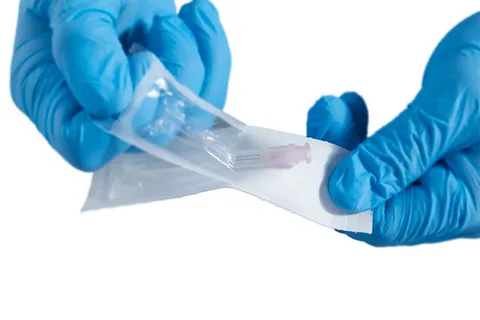
Healthcare providers depend on medical devices being delivered in a condition suitable for their intended use. While attention often goes to the device itself, the packaging surrounding that device plays an equally important role in protecting it during storage, transport and handling. A properly designed Sterile Barrier System helps provide a controlled barrier between a packaged medical device and potential external contamination until the package is opened at the point of use.
For UK healthcare organisations and medical device manufacturers, a Sterile Barrier System is more than a simple bag, pouch or wrapper. It is part of a wider packaging system that needs appropriate material selection, sealing, handling, testing and process control. With increasing pressure to maintain quality while managing costs, choosing dependable Sterile medical device packaging solutions can help businesses build a more consistent and trustworthy packaging process.
What Is a Sterile Barrier System?
A Sterile Barrier System is the packaging configuration designed to prevent microorganisms from entering and to allow the sterile presentation of a medical device at the point of use when the device is terminally sterilised.
The system can involve specialised packaging materials, seals, pouches, trays, lids or other components depending on the medical device and sterilisation method. It needs to work as part of the complete packaging system rather than as an isolated component.
A Medical sterile barrier packaging system therefore needs to be selected around the specific device, sterilisation process, storage conditions, distribution environment and intended use. What works for one product may not be suitable for another.
Why Sterile Barrier System Matters in UK Healthcare
A Sterile Barrier System matters because packaging performance can directly influence the ability of a terminally sterilised medical device to remain protected until it reaches the point of use.
Medical devices can be exposed to handling, vibration, compression, temperature changes and other stresses during distribution and storage. Packaging must therefore be designed with these real-world conditions in mind.
For UK manufacturers and healthcare suppliers, a properly developed Sterile Barrier System can support product protection while contributing to a structured quality and validation process. The objective is not simply to make packaging look secure. The objective is to develop packaging that performs reliably for its intended application.
Protecting Medical Devices From Contamination
One of the fundamental purposes of a Sterile Barrier System is to help protect a sterile medical device from contamination after sterilisation.
If a packaging system has a defective seal, unsuitable material or damage that compromises its barrier function, the packaging may no longer provide the intended protection. That is why packaging design and process control deserve serious attention.
A Medical sterile barrier packaging system should be considered from the beginning of product development. Material compatibility, seal performance and handling conditions can all influence the finished package.
This is particularly important in healthcare because packaging failures can create additional inspection, rework or product-management requirements.
The Role of Primary Packaging
The packaging closest to the medical device can have an important role in maintaining its protected condition.
Primary packaging for sterile medical products should be selected according to the characteristics of the device and the intended sterilisation and distribution processes. The material needs to provide appropriate barrier properties while also allowing the package to be processed and opened as intended.
A Sterile Barrier System may incorporate more than one packaging layer, depending on the product and application. Each component should work together as part of the overall packaging strategy.
For manufacturers, this means packaging should not be treated as an afterthought. It should be considered alongside the device, sterilisation process and distribution requirements.
ISO 11607 and Sterile Barrier Compliance
International standards are an important part of medical packaging development. ISO 11607-1:2019 specifies requirements and test methods for materials, preformed sterile barrier systems, sterile barrier systems and packaging systems intended to maintain sterility of terminally sterilised medical devices until the point of use. ISO confirms that the edition was reviewed and confirmed in 2024.
ISO 11607-2:2019 focuses on requirements for the development and validation of forming, sealing and assembly processes used for packaging terminally sterilised medical devices. It applies to both industry and healthcare facilities.
This is where ISO 11607 sterile barrier compliance becomes an important consideration for UK medical packaging operations. A packaging machine alone does not establish compliance. The materials, equipment, procedures, process parameters and validation activities all need to be considered within the applicable quality system.
Designing Effective Medical Packaging
Good Sterile Barrier System design starts with understanding the product and its journey.
Manufacturers need to consider how the medical device will be sterilised, packaged, transported, stored and ultimately opened. Packaging that performs well in a controlled factory environment may still need evaluation against the stresses it encounters during distribution.
Infection control barrier packaging design should therefore focus on practical performance rather than appearance alone. A package should provide an appropriate barrier while remaining usable by healthcare professionals.
Ease of opening can matter just as much as protection. If packaging is difficult to open or causes unnecessary handling, it may negatively affect the user experience.
Sealing and Sterile Barrier Integrity
The seal is one of the most critical parts of many pouch-based Sterile Barrier Systems. Even high-quality packaging material cannot compensate for a poorly controlled sealing process.
Seal temperature, pressure, dwell time and equipment condition can influence seal quality. The correct settings depend on the packaging material and specific process.
This is why a controlled sealing machine can be an important part of Sterile medical device packaging solutions. Equipment should support repeatability and provide the controls necessary for the intended process.
ISO 11607-2 specifically addresses the development and validation of sealing processes, reinforcing that sealing should be treated as a controlled process rather than simply a mechanical step.
Testing a Sterile Barrier System
Testing is another key part of developing a reliable Sterile Barrier System.
Package integrity and seal strength testing can help identify weaknesses that may not be visible during a basic visual inspection. Depending on the packaging system, manufacturers may evaluate seal strength, leaks, channels, material defects and other potential failure modes.
A robust testing programme can help manufacturers understand how packaging behaves under expected conditions. This information can then support process development and validation.
For price-conscious businesses, testing can also be a sensible investment. Identifying a packaging problem during development is generally more manageable than discovering widespread failures after products have entered distribution.
Choosing Sterile Medical Device Packaging Solutions
Selecting Sterile medical device packaging solutions requires more than comparing equipment prices.
Manufacturers should consider the packaging material, device size, production volume, sealing requirements, sterilisation method and quality-system expectations. Equipment should also fit the company's existing workflow.
A Sterile Barrier System used for low-volume specialist devices may have very different requirements from one used for high-volume manufacturing.
Businesses should also consider service, calibration, maintenance and technical support. A slightly higher initial investment can make sense when equipment provides stronger process control and long-term support.
The cheapest option is not always the best-value option.
How vanderstahl Supports Medical Packaging
vanderstahl provides medical packaging equipment designed to support controlled pouch sealing and testing workflows.
Its MS-350 medical pouch sealer is presented as a cleanroom-compatible impulse sealing system. The company highlights features including microcomputer control, automatic feed, auto-cycle operation and temperature calibration capabilities.
vanderstahl also offers pouch testing equipment designed for package testing and inspection applications. Its PTT-100 system is described by the company as a pouch testing and inspection laboratory with capabilities including seal-strength testing and visual seal inspection.
For organisations developing Sterile Barrier Systems, equipment like this can form part of a broader controlled packaging and testing strategy. However, businesses should still establish their own appropriate validation, testing and quality procedures for the specific application.
Reducing Packaging Costs Without Cutting Quality
Healthcare packaging needs to be reliable, but that does not mean businesses should ignore cost efficiency.
A well-designed Sterile Barrier System can help reduce unnecessary material usage, packaging failures and rework when the system is appropriately developed and controlled.
Businesses can also improve value by selecting packaging materials based on actual requirements instead of automatically choosing the most expensive option. Material performance, equipment compatibility and process capability should all be evaluated together.
For UK businesses operating under tight budgets, the smarter approach is to focus on total cost of ownership. Equipment purchase price is only one part of the equation. Waste, downtime, maintenance, testing and rejected packaging can also affect the overall cost.
Building Trust Through Better Packaging
Healthcare is ultimately built on trust. Patients and healthcare professionals expect medical products to be handled responsibly and supplied in appropriate condition.
A dependable Sterile Barrier System can contribute to that confidence by supporting a controlled approach to medical device packaging.
For manufacturers, strong packaging processes can also demonstrate a commitment to quality. Documented procedures, appropriate testing and validated sealing processes provide a stronger foundation than relying on visual appearance alone.
This is especially valuable for businesses seeking long-term commercial relationships with healthcare organisations and distributors.
Why Packaging Validation Matters
A Sterile Barrier System should be evaluated as part of the complete packaging process.
Validation helps demonstrate that the packaging process can consistently achieve its intended results under defined conditions. ISO 11607-2 addresses the development and validation of forming, sealing and assembly processes for packaging used with terminally sterilised medical devices.
For manufacturers, this means equipment selection should happen alongside process-development planning. Choosing a machine first and thinking about validation later can create unnecessary complications.
A better approach is to identify the packaging requirements, determine suitable materials and process parameters, select appropriate equipment, establish testing methods and then develop the required validation activities.
Supporting Long-Term UK Healthcare Quality
The importance of a Sterile Barrier System extends beyond the initial packaging operation.
Medical products can remain in storage for significant periods before reaching the point of use. Packaging therefore needs to be considered in relation to expected storage conditions and distribution stresses.
A strong packaging strategy can help manufacturers maintain a more consistent approach across production batches. It can also make quality investigations easier because packaging parameters, materials and testing procedures can be documented and reviewed.
For UK companies looking to build sustainable medical packaging operations, investing in appropriate Infection control barrier packaging design and process controls can be a practical long-term strategy.
Final Thoughts
A Sterile Barrier System matters in UK healthcare because it plays a fundamental role in protecting terminally sterilised medical devices until the point of use. Effective packaging requires much more than a pouch or seal. It involves suitable materials, thoughtful design, controlled sealing, testing and appropriate validation.
For manufacturers and healthcare suppliers, ISO 11607 sterile barrier compliance should be approached as part of a complete packaging and quality process rather than as a simple equipment specification.
Reliable Sterile medical device packaging solutions can also provide commercial benefits by reducing avoidable waste, supporting consistent production and strengthening customer confidence.
Companies such as vanderstahl can provide specialised sealing and testing equipment that supports medical packaging workflows. However, the equipment should always be integrated into a properly developed process suited to the specific device, materials and intended use.
At the end of the day, a well-developed Sterile Barrier System is about protection, consistency and trust. For UK healthcare businesses, getting this part of the packaging process right can support both product quality and long-term operational value.
Bub
Do?

Categorie
Leggi tutto
Resident Evil Requiem has been one of 2026's biggest hits, and it's not just the zombie babies getting attention. Protagonist Leon Kennedy's lean-yet-beefy physique has turned the jacket-wearing hero into an unlikely fitness icon. Fans are swapping diet and exercise tips online, all aimed at achieving that look—without touching any shady Umbrella Corporation supplements. The Reddit...

Market Overview The Oral Rehydration Solution Market is evolving beyond traditional applications, with emerging trends and future directions expanding the potential of this essential therapy. From sports hydration to novel formulations, the market continues to innovate. Current Market Landscape ORS applications are expanding beyond diarrhea treatment. Sports hydration products are...
Market Report Analysis The rapid acceleration of global vehicle electrification, commercial wind energy expansion, and industrial robotics networks is driving unprecedented structural demand for advanced metallurgical components. As modern power electronics demand smaller footprints, higher thermal thresholds, and minimal energy dissipation losses, traditional steel alloys and low-grade core...
Разработчики Neverness to Everness опубликовали тизер нового играбельного эспера по имени Хотори. Персонаж появится в игре в статусе лимитированного героя — обладатели S-ранга встречаются редко и требуют целенаправленного выпадения. Хотори принадлежит к стихии Космос, что в игровой механике часто означает универсальность, и разработчики подтверждают: эспер способен одновременно выполнять...
Engineered Garments has built a loyal following by taking familiar American clothing and giving it a personal point of view. Work jackets, military shirts, fatigue pants, field vests, camp shirts, and tailored garments sit within its range. The label brings American workwear, military clothing, outdoor gear, and traditional tailoring together with Japanese design ideas. Useful details, relaxed...

